Warning signs of depression you should know: A clinical overview of common symptoms and behavioral patterns
Recognizing the warning signs of depression is a vital step in distinguishing between temporary periods of sadness and a chronic mental health condition that requires professional attention 2. Depression is not merely an occasional bad day; it is a clinical disorder defined by persistent changes in mood, energy, and behavior that disrupt daily functioning 1. Identifying these subtle, often quiet shifts in one's internal state can be the catalyst for seeking necessary support before symptoms escalate 3. While symptoms vary significantly across age groups and individuals, the presence of specific markers for at least two weeks often serves as a baseline for clinical concern 1, 9.
Defining the Persistent Low Mood
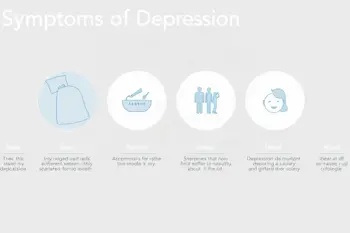
The hallmark of depression is a sustained sense of sadness, emptiness, or a feeling of being 'numb' that remains present for most of the day, nearly every day 9, 10. Unlike the common 'blues' resulting from a specific, temporary life event, clinical depression often exists without an obvious external cause 9. In children and adolescents, this mood may manifest more frequently as irritability or a 'short fuse' rather than deep, outward sadness 2, 9. It is essential to understand that this irritability can be just as indicative of a depressive disorder as the more traditional presentation of sorrow 1.
For many adults, the experience of depression is characterized by a flat or disconnected emotional state rather than intense emotional pain 3. This feeling can range from a heavy, dark cloud to a sense of total emotional indifference 9. Because this state can be chronic, some individuals report feeling as though they have been in a depressed state for as long as they can recall 1. When these emotional states persist, they frequently lead to a loss of motivation and a growing internal sense that something is fundamentally wrong with their ability to function normally 3.
Anhedonia and the Loss of Interest
Anhedonia, or the loss of pleasure in activities, is one of the most diagnostically specific indicators of a depressive disorder 9. When an individual finds that they can no longer muster the energy or interest for hobbies, creative projects, or social interactions they once valued, it serves as a significant warning sign 2. This reduction in interest is not just a change in preferences; it is an inability to extract enjoyment from life's routine satisfactions, often leading to social withdrawal and a decline in participation in both personal and professional environments 2, 3.
| Indicator | Clinical Observation |
|---|---|
| Activity Level | Marked reduction in hobbies previously enjoyed 2 |
| Social Engagement | Increased withdrawal from relationships 1 |
| Motivation | Consistent drop in drive and goal-oriented behaviors 3 |
This symptom often results in a cycle where the individual stops performing tasks that previously provided fulfillment, which further lowers mood and energy levels 5. It is common for people to attempt to mask this loss of interest by continuing to meet basic obligations at work or home, a state often referred to as 'high-functioning' depression 3. However, beneath the surface, the absence of pleasure creates a growing divide between the individual and their previous sense of self, making the burden of daily responsibility feel increasingly unsustainable 3.
Physical Manifestations of Depression
Depression frequently manifests through physical symptoms, which are often overlooked or attributed to other medical conditions 8. Sleep disturbances are a primary concern, manifesting as either insomnia or an excessive need to sleep, and they often create a bidirectional relationship with depression where sleep loss contributes to the illness while the illness disrupts sleep 2. Additionally, changes in appetite or unintended weight fluctuations-specifically a change of more than 5% of body weight in a single month-are standard markers that clinicians look for during a screening process 2, 10.
Chronic pain is another frequently reported symptom, with data suggesting that approximately 56% of individuals with depression or anxiety also report experiencing chronic discomfort 8. When an individual exists in a state of emotional distress, the body becomes more sensitive to physical discomforts such as headaches, digestive problems, or general aches 8, 11. These physical manifestations are not imagined; they are rooted in shared biological pathways and neurotransmitter systems that connect the mind's emotional state to the body's physical responsiveness 8.
Cognitive and Behavioral Disruptions
Cognitive impairment is a common, though frequently underestimated, symptom of depressive disorders. Individuals often report a persistent struggle to focus, make decisions, or process information as effectively as they once did 3, 9. This 'brain fog' or mental sluggishness can significantly affect job performance and academic success, often leading to feelings of worthlessness, excessive guilt, or self-doubt 3, 11. These cognitive hurdles make it difficult to break out of the cycle of negative thinking, as the individual lacks the mental clarity required to address their underlying emotional state 3.
Behavioral changes are the outward indicators of this internal struggle. This can include a marked decrease in self-care, a tendency to avoid responsibilities, or an increase in the use of alcohol or substances as a maladaptive coping mechanism 1, 9. As the episode continues, the behavioral patterns often move toward isolation. By tracking these behavioral shifts-such as a decrease in hygiene, missed work, or the neglect of household maintenance-one can often see the progression of an episode before the individual explicitly mentions feeling sad 3.
Risk Factors and Clinical Context
Depression is a complex medical condition influenced by a combination of social, psychological, and biological factors 7. Genetics play a significant role, as research has identified multiple genes that increase an individual's vulnerability to developing the condition 7. Hormone changes and the body's ability to regulate neurotransmitters, such as serotonin, also contribute to the neurological basis of the disorder 1, 7. It is important to note that depression is the second most common mental health disorder, affecting approximately 13% of individuals who visit primary care providers 4, 6.
Despite its prevalence, many people remain reluctant to seek care due to the stigma surrounding mental health, often equating depression with a personal weakness rather than a treatable condition 8. However, clinical evidence demonstrates that treatments such as psychotherapy, medication, and, in some cases, other specialized interventions, are highly effective 4, 7. The goal of any clinical evaluation is to rule out other medical causes for these symptoms and to establish a support structure that allows the individual to restore their overall level of functioning 11.
Urgent Warning Signs
While many symptoms of depression develop slowly, certain indicators require immediate, urgent medical or crisis intervention. Feelings of severe hopelessness, thoughts of death, and any active thoughts of self-harm are considered clinical emergencies that should not be ignored 9, 11. If an individual feels that life is no longer worth living, it is imperative that they reach out to a healthcare professional, an emergency department, or a crisis support service immediately 3, 12. Crisis lines, such as the 988 Suicide & Crisis Lifeline, exist to provide confidential support for those experiencing acute emotional distress or for individuals concerned about a loved one 12.
Proactive care involves monitoring these symptoms and acknowledging that depression is a real medical issue that, like any other, responds to early and consistent intervention 7. By understanding the full spectrum of warning signs-from chronic pain and fatigue to cognitive blocks and emotional numbness-individuals and their families are better prepared to advocate for the professional support necessary for long-term health 9.
Sources
- Harvard Health: Depression Overview
- Verywell Health: 9 Warning Signs of Depression
- Cleveland Clinic: Signs a Depressive Episode Is Coming
- Merck Manual: Depression
- Johns Hopkins Medicine: Recognizing and Getting Help for Mood Disorders
- MSD Manual: Depression
- Geisinger: Clinical Depression Symptoms
- Prevention: 9 Subtle Signs of Depression
- Acibadem Hospitals Group: Depression Symptoms Explained
- Simply Psychology: Depression Symptoms and Warning Signs
- SAMHSA: Depression
- 988 Suicide & Crisis Lifeline
Authored by MistyMountainView team