Natural remedies for managing sinus congestion: Evidence, safe use, and limits
How sinus congestion develops
Sinus congestion occurs when inflammation swells the lining of the nasal passages and sinuses, narrowing the pathways through which mucus normally drains. Common triggers include viral colds, influenza, allergies, pollutants, pregnancy, and nasal polyps. When drainage is blocked, mucus can become thick and trapped, producing stuffiness, facial pressure, headache, and difficulty breathing through the nose. 1
Most short-term congestion can be managed with supportive care, but symptoms do not all have the same cause. A viral illness, an allergy flare, and a bacterial sinus infection may feel similar while requiring different evaluation. University of Rochester Medicine identifies symptoms lasting longer than 10 days, worsening symptoms, fever, foul-smelling mucus, or severe throat symptoms as reasons to seek medical care. 2
Saline nasal irrigation
Saline irrigation is the most directly supported home measure described in the supplied research. A neti pot, squeeze bottle, or powered irrigation device sends saline through one nostril and out the other, helping loosen thick mucus and remove irritants, allergens, and germs from the nasal passages. Harvard Health reports that daily irrigation may reduce cold symptom severity and duration and can relieve congestion associated with sinus infections and allergies. 3
Water safety is essential because contaminated water can introduce harmful organisms into the nasal passages. The U.S. Food and Drug Administration advises using distilled, sterile, or previously boiled and cooled water for sinus rinsing, rather than untreated tap water. Devices also require careful cleaning and drying after use. Saline should be prepared according to the device or packet instructions, and forceful pressure should be avoided if it causes pain or ear pressure. 4
Humidity, steam, and warm compresses
Humidified air may soothe irritated nasal tissue and help mucus feel less thick. A cool-mist humidifier or vaporizer can be useful in dry indoor environments, while a warm shower may provide temporary comfort by moistening the nasal passages. However, steam is a supportive measure rather than a treatment for the underlying cause. It does not eliminate allergies, viral illness, bacterial infection, or structural problems inside the nose. 7
Safety is a central limitation of steam inhalation. Leaning over a bowl of boiling water creates a burn risk, particularly for children, and safer methods such as sitting in a steamy bathroom are preferable. A randomized study supplied in the research examined a 43°C thermal wet-steam spray used for 15 minutes three times weekly over eight weeks in 60 young adults, but those findings should not be treated as proof that ordinary home steam cures sinus disease. 8
Hydration and sleeping position
Drinking water, warm herbal tea, or broth supports overall fluid intake and may help prevent nasal secretions from becoming excessively thick. Hydration does not directly remove sinus inflammation, but thinner mucus can drain more easily when swelling begins to subside. Warm liquids may also provide short-term throat and nasal comfort during a cold. The appropriate amount of fluid varies with health status, medications, activity, and medical restrictions. 2
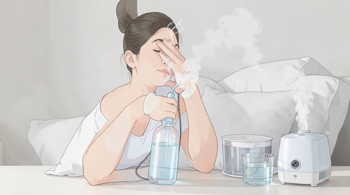
Positioning can matter most at night, when lying flat may make nasal obstruction feel worse. Keeping the head elevated with extra pillows may reduce the sensation of mucus pooling and support drainage. Remaining upright during the day can also make breathing feel easier for some people. Elevation does not correct the cause of congestion, and persistent nighttime obstruction may indicate allergies, polyps, or another condition requiring assessment. 2
Warmth, food, and essential oils
A warm, moist washcloth placed across the nose, cheeks, or forehead may ease facial discomfort associated with sinus pressure. Spicy foods containing capsaicin can temporarily create a more open sensation by stimulating nasal secretions, although the effect is brief and may aggravate reflux, mouth irritation, or sensitive nasal tissue. These measures are comfort strategies, not substitutes for saline irrigation or evaluation when symptoms become persistent or severe. 5
Eucalyptus oil is frequently discussed because it contains cineole, a compound studied for possible airway and mucus effects. Evidence in the supplied material does not establish that household eucalyptus preparations cure sinusitis. Essential oils should not be swallowed, placed directly inside the nose, or used around children without appropriate professional guidance. Fragrance sensitivity and airway irritation are possible, so exposure should stop if coughing, burning, wheezing, or worsening congestion occurs. 3
Humidity control and practical limits
Indoor humidity can influence nasal comfort in both directions. Very dry air may irritate nasal tissue, while excessive moisture can encourage mold and worsen allergy symptoms. The supplied research identifies a relative humidity range of 30% to 50% as a practical target for reducing dryness without creating an overly damp environment. Humidifiers need regular cleaning because standing water can support microbial growth and disperse contaminants into the air. 6
Natural care has clear limits. Seek medical advice when symptoms last beyond 10 days, improve and then worsen, or involve high fever, severe pain, swelling around the eyes, foul-smelling discharge, or serious breathing difficulty. Recurrent congestion also deserves evaluation because allergies, polyps, medication effects, pregnancy-related changes, and structural blockage may require targeted treatment. Home measures can relieve symptoms, but they cannot reliably distinguish viral congestion from bacterial disease or other causes. 1
Sources
- Harvard Health, “What to do about sinusitis”
- University of Rochester Medicine, “Congested? You Can Find Relief and Breathe Easier”
- Everyday Health, “7 Natural Remedies for Congestion Relief”
- U.S. Food and Drug Administration, “Rinsing Your Sinuses With Neti Pots and Other Devices”
- Cleveland Clinic, “Sinusitis”
- Harvard Health Publishing, “Got a Cold? These Home Remedies Can Help”
- Acibadem Hospitals Group, “Steam Inhalation for Sinus Pressure: An Evidence-Based Guide for Patients”
- BMC Pulmonary Medicine, Springer Nature, randomized trial of thermal steam spray
Authored by MistyMountainView team