Cruise to the Mexican Riviera from Los Angeles: An Analytical Overview of Pacific Coast Itineraries
A cruise to the Mexican Riviera from Los Angeles represents a specialized segment of the Pacific maritime travel industry, connecting Southern California ports to the diverse landscapes of Mexico's western coastline 1, 2. These voyages typically originate from the World Cruise Center in San Pedro or the Long Beach Cruise Terminal, both of which serve as major transit hubs for the region 6, 7. Travelers choosing these itineraries gain access to a route that balances open-ocean transit with concentrated port calls in popular Baja California and mainland Mexican destinations 6, 8.
Itinerary Structures and Route Dynamics
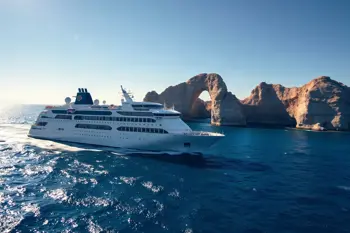
Standard itineraries for this region generally span between six and eleven days, with the most common duration being seven nights 8, 11. The operational rhythm of these voyages typically balances time spent at sea with scheduled stops in primary ports of call, such as Cabo San Lucas, Mazatlán, and Puerto Vallarta 5, 8. The geographic layout allows for a consistent flow, often departing from the U.S. West Coast and traveling south along the Baja California peninsula before reaching mainland Mexican ports 8.
Port logistics vary significantly depending on the destination's infrastructure. For instance, Cabo San Lucas serves as a tender port, requiring passengers to utilize smaller shuttle boats to reach the marina, whereas Puerto Vallarta often provides direct pier access for larger vessels 6, 5. Some itineraries distinguish themselves by offering late-night departures or overnight stays in specific locations, providing extended opportunities for shore-based activities such as dining or evening excursions 2, 6.
Operational Characteristics and Ship Profiles
Major cruise lines operating within this corridor, including Carnival Cruise Line, Princess Cruises, Royal Caribbean, Norwegian Cruise Line, and Holland America Line, maintain varied service models to cater to diverse passenger segments 8, 10. Ships assigned to this route often range from large-scale vessels equipped with high-density entertainment options, such as trampoline parks or multi-level ropes courses, to more traditional, long-duration cruise configurations 4, 10. The ship selection process is a primary factor in the overall travel experience, as specific vessels are designed with varying balances of active sports, wellness facilities, and adult-only retreats 4.
Technical considerations for these sailings include the Pacific's marine environment, where whale watching is a seasonally significant activity during the winter months 7. The vessels must be capable of sustained open-water navigation between the Los Angeles basin and the Mexican coast. Because the route remains within a single time zone, passengers often experience less of the physiological disruption associated with transatlantic or transpacific crossings, making it a distinct choice for those prioritizing ease of transit over geographical novelty 6.
Regulatory and Documentation Requirements
Cruises that function as closed-loop voyages-meaning they depart from and return to the same United States port-are subject to specific regulatory guidelines under the Western Hemisphere Travel Initiative 5. While U.S. citizens may be permitted to travel with a government-issued photo ID and a birth certificate, cruise industry experts and federal agencies consistently recommend the use of a valid passport for all international travel to minimize potential documentation friction 5. International border regulations mandate that passengers maintain valid travel documentation at all times, even when remaining on the ship during port calls 5.
Financial preparation for shore-side activities is another key aspect of cruise planning. While many onboard transactions are centralized through the cruise line's internal digital account system, interactions in Mexican ports frequently require local currency (Mexican Pesos) or digital payment capabilities for small-scale commerce 9. Passengers are advised to reconcile their expected budgetary needs with the operational requirements of each port, as availability of high-speed payment infrastructure can vary between metropolitan hubs and more secluded coastal zones 9.
Environmental and Seasonal Factors
Seasonal climate trends exert a notable influence on the market demand and overall passenger experience of Mexican Riviera sailings. The period from November through April is widely recognized as the peak season, characterized by stable, warm weather that avoids the high humidity levels often found in tropical regions during the summer months 7. This time frame aligns with migration patterns for marine megafauna, notably providing elevated opportunities for whale sightings in the Sea of Cortez and surrounding coastal waters 3, 7.
Conversely, the summer and early autumn months may present challenges related to regional weather, including potential for higher temperatures and localized weather systems. Travelers evaluating potential cruise dates should consider these environmental variables, as they can directly impact the viability of specific shore excursions, such as snorkeling, hiking, or canopy tours. Understanding the seasonal rhythm of the Pacific coast is essential for aligning travel expectations with the climatic realities of the Mexican Riviera region 8.
Common Infrastructure and Regional Connectivity
The concentration of departure ports in Southern California-specifically Los Angeles and Long Beach-facilitates a high volume of regional access for West Coast residents, minimizing the requirement for positioning flights 6. This logistical simplicity is a hallmark of the Mexican Riviera route, positioning it as an accessible international travel option 8. The proximity of these ports to major transportation infrastructure supports a consistent year-round sailing schedule, though specific itinerary focus may shift based on seasonal demand 6, 7.
Beyond the primary ports, the surrounding regions of Baja California Sur and the mainland states of Sinaloa and Jalisco offer a spectrum of developmental experiences, from the desert-meets-sea geography of Cabo San Lucas to the dense, jungle-backed environments of Puerto Vallarta 8. Each port presents a distinct profile, with varying levels of infrastructure ranging from highly urbanized tourist districts to protected natural areas designated for ecological study and conservation 3, 5.
Sources
- Virgin Voyages: Mexican Riviera Cruises
- Virgin Voyages: Mexican Riviera & Cabo Overnight
- Royal Caribbean: Mexican Riviera Cruises
- Carnival Cruise Line: Carnival Panorama Itinerary
- Travel Arbitrage: 2026 Mexican Riviera Cruise Guide
- Direct Line Cruises: Mexico Cruises from Los Angeles
- Cruise Critic: Best Mexico Cruises from Los Angeles
- Cruisebound: Mexican Riviera Cruise Guide
- Global Journeys: Royal Caribbean Voyager of the Seas
- Key to the World Travel: Planning a Mexican Riviera Cruise
- Holland America Line: Mexican Riviera Itineraries
Authored by MistyMountainView team