Ways to manage sciatica pain at home: A clinical review of self-care and recovery strategies
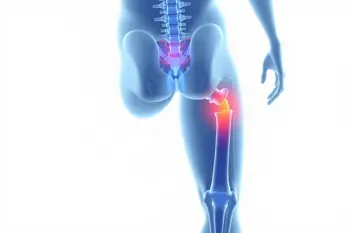
Sciatica is a common clinical condition characterized by pain radiating along the sciatic nerve, which originates in the lower spine and travels through the hips, buttocks, and down each leg 2, 5. While the sensation of an electric shock, deep ache, or tingling can be debilitating, approximately 80% to 90% of individuals experiencing disc-related sciatic symptoms observe improvement over several weeks without the need for surgical intervention 9. Managing these symptoms at home generally involves a combination of activity modification, targeted movement, and the strategic application of temperature-based therapies to reduce nerve irritation and associated muscle tension 2, 8.
The Role of Movement and Activity Modification
Contrary to older recommendations involving prolonged bed rest, current clinical guidance emphasizes that staying gently active is essential for recovery 6, 9. Extended sedentary behavior can inadvertently delay the healing of musculoskeletal tissues and exacerbate nerve sensitivity 6. Instead, practitioners suggest incorporating frequent changes in position to mitigate the load on the spinal column 6. Simple, low-impact activities such as gentle walking are often recommended to maintain blood flow and prevent stiffness 5, 8.
When sitting at a workstation, the implementation of a dynamic sitting framework can redistribute mechanical loads, potentially alleviating some of the pressure on the nerve roots 6. It is generally advised to avoid positions that consistently trigger or increase sharp, radiating leg pain 3. By focusing on ergonomic adjustments and avoiding static postures for long periods, individuals may reduce the frequency of flare-ups while moving through the recovery phase 8.
Temperature Therapy for Inflammation and Stiffness
The application of temperature-based therapy is a frequent, non-invasive method for managing localized pain associated with sciatica 8. During the initial stages of acute nerve irritation, cold packs are often recommended to help mitigate localized inflammation and provide a numbing effect on the affected area 2, 8. Applying ice packs for short, controlled intervals can assist in dampening the intensity of the pain signals early in the inflammatory process 8.
As the acute phase subsides, many clinicians recommend transitioning to heat therapy to address lingering muscle stiffness and tension 8. Heat can help relax muscles surrounding the sciatic nerve, potentially improving range of motion and reducing the secondary discomfort often caused by protective muscle spasms 2, 8. The alternating use of heat and cold should be applied with caution to ensure the skin is protected, and these methods serve as a supportive measure rather than a primary curative treatment 8.
Structured Exercise and Mobility Frameworks
Structured, gentle exercise is a pillar of home-based sciatica recovery programs designed to build core and glute strength, which provides foundational support for the spine 9. A typical 20-minute home routine might include a brief warm-up, such as gentle walking in place, followed by mobility movements like cat-cow stretches to promote spinal health 9. These routines often emphasize movements that help centralize pain-meaning the symptoms move from the leg back toward the lower back-which is generally interpreted as a positive sign of healing 9.
Specific exercises such as the glute bridge, clamshells, and bird-dog movements are frequently utilized to strengthen the posterior chain 9. During these activities, the '10% rule' is often cited: a mild ache or discomfort level of 3 to 4 out of 10 is typically considered acceptable during exercise, whereas sharp or worsening nerve pain serves as a clear indication to stop the activity immediately 9. Consistency remains the most critical factor in achieving long-term symptom improvement through these structured home movements 5, 9.
Criteria for Professional Medical Evaluation
While home care is often effective, it is vital to recognize when symptoms necessitate immediate professional medical intervention 2. If sciatica pain does not improve within a few weeks, or if it becomes increasingly severe, a healthcare provider should conduct a formal physical examination 1, 2. Diagnostic tools, such as MRI or CT scans, are generally reserved for cases where symptoms are severe or when a clinician suspects serious structural issues affecting the nerve roots 1, 10.
There are specific 'red-flag' symptoms that require urgent medical attention: the sudden loss of bladder or bowel control, significant or progressive numbness in the groin or 'saddle' area, and severe weakness in one or both legs 6, 9, 11. These symptoms may indicate an underlying condition requiring immediate investigation and treatment to prevent long-term neurological damage 6.
Understanding the Limitations of Self-Care
Home-based management of sciatica is an approach focused on comfort and the maintenance of function while the body heals, but it is not a substitute for professional clinical advice 2, 9. It is important for individuals to understand that sciatica is often a set of symptoms rather than a singular condition, and the underlying cause-such as a herniated disc or spinal stenosis-will dictate the long-term prognosis 4, 5. Engaging in self-care strategies requires a balanced perspective on one's own limitations and current physical abilities 6.
For those using over-the-counter medications to manage pain, caution is required regarding potential side effects, and such use should always align with label instructions or guidance from a pharmacist or physician 1. Ultimately, integrating self-care into a broader, professionally supervised rehabilitation plan often yields the most effective results for those navigating the challenges of sciatic nerve irritation 1, 7.
Summary of Data-Driven Management Principles
| Management Category | Strategy Overview |
|---|---|
| Activity | Maintain gentle movement; avoid prolonged bed rest. |
| Temperature | Use cold for acute inflammation and heat for stiffness. |
| Posture | Utilize dynamic sitting to prevent pressure on nerve roots. |
| Exercise | Focus on core strengthening and pain-centralizing stretches. |
| Monitoring | Stop any activity that induces sharp or increasing nerve pain. |
Sources
- Mayo Clinic: Sciatica Diagnosis and Treatment
- Ascension Health: Sciatica Self-Care Guide
- Harvard Health Publishing: How to get relief from sciatica
- Cleveland Clinic: Sciatica Causes and Treatment
- University of Maryland Medical System: Managing Sciatica Daily Habits
- Benchmark Physio: Evidence-Based Clinical Guide for Sciatica
- Popular Science: Sciatica Stretches and Exercises
- Chiro One: Home Natural Remedies for Sciatica
- OrthoNJ: Sciatica A Step-by-Step Home Plan
- National Institute for Health and Care Excellence (NICE): Low Back Pain and Sciatica Guidelines
- Mount Sinai: Health Library on Sciatica
Authored by MistyMountainView team