Lap-Band Surgery Results and Timeline: A Clinical Analysis of Recovery and Weight Loss Trajectories
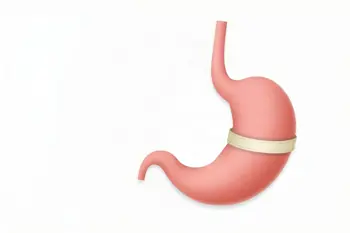
Lap-Band surgery, also known as adjustable gastric banding, represents a restrictive bariatric intervention designed to assist individuals in managing obesity by altering stomach capacity 2. Unlike procedures that involve stomach resection or intestinal rerouting, this approach utilizes an inflatable silicone band placed around the upper portion of the stomach to foster early satiety 2. Clinical observations indicate that the success of this procedure is heavily reliant on a patient's ability to commit to long-term follow-up care and necessary behavioral modifications 2. Understanding the surgical outcomes and recovery timeline is essential for those seeking to navigate the process with realistic expectations 4.
Physiological Mechanism and Candidacy
The gastric band operates by creating a small upper stomach pouch, which significantly limits the volume of food a person can consume comfortably at one time 2. By slowing the passage of food, the device helps patients feel full after smaller portions, theoretically supporting gradual, sustainable weight loss 2. Unlike other forms of metabolic surgery, the Lap-Band is fully reversible and does not involve the permanent removal of any portion of the digestive tract 6. Because the system is adjustable, clinicians can modify the level of restriction during periodic follow-up visits by adding or removing saline via a subcutaneous access port 2.
Candidacy for this procedure is typically evaluated based on Body Mass Index (BMI) and the presence of obesity-related comorbidities 2. Standard guidelines often identify individuals with a BMI of 40 or higher, or those with a BMI between 30 and 39.9 accompanied by at least one health condition, such as type 2 diabetes or hypertension, as potential candidates 7. A comprehensive medical screening process is required to ensure that a patient is physically and psychologically prepared for the rigors of post-surgical life, including the necessity of long-term dietary shifts and consistent medical monitoring 5.
Immediate Post-Operative Recovery Timeline
The majority of gastric band procedures are performed using laparoscopic techniques, which generally result in a faster recovery period compared to open surgical interventions 3. Immediately following the operation, patients are often encouraged to walk to promote circulation and support bowel recovery 3. While many individuals feel capable of returning to light daily activities within a few days, a return to desk-based work is typically recommended within one to two weeks, depending on individual health status and job requirements 3. Strenuous activity and heavy lifting are strictly restricted during the initial healing phase to prevent complications 3.
Dietary progression is highly structured and must be followed according to the surgical team's specific plan. This transition typically begins with clear liquids, moving slowly to pureed foods, and eventually incorporating soft foods before returning to a regular, healthy diet 3. It is imperative to monitor incision sites for signs of infection and to maintain contact with the medical team during this time 8. Persistent symptoms such as the inability to keep fluids down, fever, or severe chest pain require immediate clinical evaluation to rule out acute post-operative issues 3.
Weight Loss Milestones and Long-Term Expectations
Weight loss after Lap-Band surgery is characteristically gradual rather than rapid, which distinguishes it from more aggressive bariatric methods 4. Clinical data suggests that patients often lose approximately 40% to 50% of their excess body weight within the first two to three years post-surgery 1. This trajectory is designed to support sustainable progress, yet it requires patience and a rejection of the expectation for overnight results 4. The goal of the procedure is to provide a mechanical structure that encourages consistent eating habits rather than forcing drastic drops on the scale 4.
Plateaus are a common occurrence in the bariatric journey, particularly as the body adjusts to lower caloric intake. When weight loss stalls for more than three weeks, or if a patient experiences increased hunger before the four-hour mark post-meal, it may indicate a need for a band adjustment 6. Frequent follow-up appointments are essential during the first year, often occurring every four to six weeks, to refine the restriction levels 3. Without these adjustments, the risk of weight loss stagnation increases significantly, undermining the long-term effectiveness of the intervention 6.
Risks and Complications
Despite its minimally invasive nature, Lap-Band surgery carries inherent risks that patients must understand. Complications such as band slippage, where the device moves out of its proper position, or erosion, where the band wears through the stomach lining, are recognized potential long-term issues 2. These complications, alongside mechanical port problems, may necessitate revision surgery or the total removal of the band 2. Regular monitoring is the primary method for detecting these issues before they escalate into acute medical concerns 5.
Beyond structural risks, patients must also be aware of gastrointestinal symptoms such as persistent reflux or vomiting, which can be indicators that the band is too tight or incorrectly positioned 2. Adherence to specific eating behaviors-such as chewing food thoroughly and eating slowly-is critical to mitigating these symptoms 4. Long-term success is fundamentally tied to the patient's adherence to professional dietary guidelines and the maintenance of a supportive environment that facilitates healthy lifestyle choices over the course of many years 2.
Comparative Context in Bariatric Care
When analyzing the efficacy of the Lap-Band, it is useful to compare its outcomes to other bariatric options like gastric bypass or sleeve gastrectomy. While the Lap-Band offers the advantage of being reversible and avoiding intestinal rerouting, its weight loss efficacy is generally reported to be slower compared to these more invasive alternatives 9. Decisions regarding the appropriate procedure are often based on the patient's starting BMI, the presence of specific metabolic conditions, and the individual's capacity to maintain the necessary follow-up schedule required for band management 5.
Ultimately, the choice of procedure should be made in consultation with a specialized bariatric team that can assess individual physiological needs. Regardless of the surgery type, the importance of psychological readiness and consistent engagement with multidisciplinary care-including nutritional counseling and mental health support-cannot be overstated 5. The Lap-Band acts as a tool to facilitate change, but its success remains intrinsically linked to the ongoing commitment of the patient to adapt their behaviors and prioritize nutritional health for the long term 6.
Sources
- Long-term Study of Bariatric Surgery for Obesity: LABS - NIDDK
- Lap Band Surgery: Recovery, Risks & Results - Acibadem Hospitals Group
- Gastric Band Recovery: Week-by-Week Timeline - Acibadem Hospitals Group
- Realistic Lap-Band Results: What to Expect Over Time - LapBandLA
- Lap Band Before and After: Real Results - Liv Hospital
- Six Months After Lap-Band | Post-Surgical Care Guide - LapBand.com
- ASMBS: Bariatric Surgery Procedures
- Penn Medicine: Gastric Banding Recovery
- Mount Sinai: Gastric Band Surgery Outcomes
Authored by MistyMountainView team