How to spot the warning signs of kidney disease: A guide to understanding silent symptoms
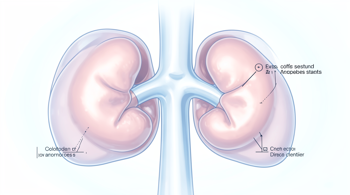
Chronic kidney disease (CKD) is frequently referred to as a silent disease because many individuals do not exhibit clear indicators until significant damage has occurred 1. Given that approximately one in seven adults in the United States is estimated to have CKD, and as many as nine out of 10 are unaware of their condition, recognizing the subtle, often overlooked warning signs is a critical component of proactive health management 2, 3. The kidneys serve as the body's natural waste removal system, filtering toxins and excess fluid from the blood while regulating blood pressure and hormone production; when this system falters, the resulting health consequences can be systemic and severe 4, 5.
Common Indicators and Physical Symptoms
As kidney function declines, the body often displays physical changes that may be mistaken for less serious ailments. Swelling, or edema, in the feet, ankles, hands, or around the eyes, is a frequent sign that the kidneys are unable to remove excess fluid effectively from the body 5, 6. Fatigue and a decrease in overall energy levels are also common, often resulting from anemia, a condition that occurs when damaged kidneys struggle to produce the hormone erythropoietin required for red blood cell production 5, 7. Individuals might also experience persistent skin issues, such as dryness or intense itching, which can arise when the kidneys fail to maintain a proper balance of minerals and waste products in the blood 1, 8.
Recognizing Changes in Urinary Patterns
Changes in urination are among the most direct markers of potential kidney dysfunction. Foamy or bubbly urine, which may appear particularly persistent, often indicates the presence of protein, a sign that the kidney filters have been damaged 1, 9. Additionally, an increased need to urinate, especially during the night, or noticing blood in the urine, warrants professional medical evaluation to rule out infections, structural damage, or more serious conditions 1, 6. Because these symptoms are often vague and can be linked to other health factors, they should never be dismissed as merely a byproduct of aging or stress 4, 5.
Risk Factors and Preventive Assessment
Identifying those at higher risk is a cornerstone of early detection. Diabetes and high blood pressure remain the two primary causes of kidney disease, as both conditions can gradually damage the delicate structures within the kidneys 3, 9. Other risk factors include a family history of kidney disease, obesity, heart disease, advanced age, and the use of certain medications 2, 7. Because early stages may be asymptomatic, clinical guidelines emphasize the importance of regular testing, particularly for individuals with these underlying risk factors 3, 7.
Diagnostic Testing Methods
Professional medical assessment remains the only way to confirm a diagnosis of kidney disease. Healthcare providers typically utilize two straightforward tests: the estimated glomerular filtration rate (eGFR), which is a blood test that measures how effectively the kidneys are filtering waste, and the urine albumin-to-creatinine ratio (uACR), which checks for protein in the urine 1, 9. These tests are essential for identifying the disease before major symptoms manifest, allowing for earlier intervention that may help slow the progression of further damage 7, 10.
| Symptom Category | Specific Warning Signs |
|---|---|
| Urinary Changes | Foamy urine, blood in urine, increased frequency |
| Fluid Retention | Swollen ankles, feet, or hands; puffy eyes |
| Systemic Effects | Extreme fatigue, weakness, poor appetite, muscle cramps |
| Dermatological | Dry and persistent itchy skin |
The Role of Early Intervention
While chronic kidney disease is a serious condition, the prompt identification of risk factors and symptoms allows for more effective management. When detected early, lifestyle adjustments, blood pressure control, and careful monitoring of blood sugar can help protect remaining kidney function 7, 9. It is important to remember that symptoms can be intermittent and may overlap with other medical issues, meaning that any unexplained change in health status should be discussed with a primary care provider to ensure an accurate clinical assessment 5, 8.
Sources
- National Kidney Foundation (https://www.kidney.org/kidney-topics/signs-and-symptoms-kidney-disease)
- Mayo Clinic (https://www.mayoclinic.org/diseases-conditions/chronic-kidney-disease/symptoms-causes/syc-20354521)
- Stony Brook Medicine (https://health.stonybrookmedicine.edu/kidney-disease-early-signs-causes-stages-prevention/)
- AdventHealth (https://www.adventhealth.com/blogs/symptoms-of-kidney-disease)
- Kidney Care UK (https://kidneycareuk.org/kidney-disease-information/about-kidney-health/10-signs-you-may-have-kidney-disease/)
- Cleveland Clinic (https://my.clevelandclinic.org/health/diseases/17689-kidney-failure)
- Acibadem Hospitals Group (https://acibademinternational.com/health-library/kidney-disease-early-signs-risk-factors-and-how-it-is-treated/)
- Acibadem Hospitals Group (https://acibademinternational.com/health-library/kidney-disease-symptoms-possible-causes-and-when-to-seek-care/)
- Prevention (https://www.prevention.com/health/g71087982/kidney-disease-symptoms/)
- American Kidney Institute (https://americankidneyinstitute.com/understanding-chronic-kidney-disease-symptoms-before-its-too-late/)
Authored by MistyMountainView team