Effective ways to manage nerve discomfort naturally: A Comprehensive Overview of Evidence-Based Strategies
Understanding the Mechanisms of Nerve Discomfort
Nerve pain, clinically referred to as neuropathic pain, is distinct from the typical aches associated with muscle or joint injuries 1. It arises when nerves are damaged, compressed, or irritated, causing them to transmit incorrect signals to the brain 1. Unlike localized muscle pain, neuropathic discomfort often presents as burning, electric shocks, tingling, or pins-and-needles sensations 1, 2. Approximately 7 to 8 percent of adults in the United States experience this condition, which often fails to respond to standard over-the-counter anti-inflammatory analgesics 9.
The etiology of these sensations is varied, ranging from diabetes-related nerve damage and peripheral neuropathy to structural compression such as a pinched nerve 1, 5, 10. Because the issue originates from faulty signaling rather than tissue trauma, management strategies must focus on systemic health, inflammation reduction, and neurological support rather than simple symptom masking 1, 6.
Targeted Nutritional Support for Nerve Repair
Specific nutrients play a critical role in maintaining the myelin sheath and promoting nerve conduction velocity 11, 12. Alpha-lipoic acid (ALA) is frequently identified in clinical research for its antioxidant properties; studies indicate that daily intake of 600 to 1,800 mg may reduce symptoms of numbness and tingling by approximately 30 percent 4, 11. Similarly, B-vitamin complexes-specifically B1, B6, and B12-are essential for nerve regeneration 11, 12. Research shows that 1,000 mcg of vitamin B12 daily can lead to a 35 percent reduction in pain intensity for a significant portion of individuals suffering from deficiency-related nerve issues 4.
| Nutrient | Role in Nerve Health | Typical Research Context |
|---|---|---|
| Alpha-Lipoic Acid | Antioxidant/Nerve conduction | 600-1800 mg daily |
| Vitamin B12 | Myelin sheath support | 1000 mcg daily |
| Omega-3 Fatty Acids | Inflammation reduction | Systemic support |
The Role of Lifestyle and Movement
Low-impact aerobic exercise is a cornerstone of non-pharmacological nerve management 2. Regular, consistent movement improves peripheral circulation, which is necessary to deliver oxygen and nutrients to damaged nerve tissues 4, 7. Furthermore, for patients with diabetic neuropathy, managing blood glucose levels remains the single most impactful factor for preventing further nerve degradation and minimizing long-term discomfort 2, 11.
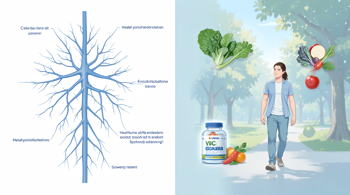
Maintaining an anti-inflammatory diet can also modulate systemic inflammation, which often exerts secondary pressure on already sensitive nerves 9, 10. While these habits require time to yield results, they address the physiological environment in which nerves operate, potentially slowing the progression of symptoms 4, 7.
Topical and Physical Home Interventions
For immediate, localized symptom management, topical applications such as capsaicin cream-derived from chili peppers-can desensitize nerve receptors and offer temporary relief from surface-level burning sensations 3, 11. Lidocaine patches are another common option used to dampen localized nerve signaling, often providing relief within 30 to 60 minutes of application 8. These methods do not resolve root causes but assist in improving daily functional comfort 3, 8.
Additionally, physical therapies like warm water hydrotherapy or localized heat and ice applications can assist with muscle relaxation, reducing the mechanical tension that often accompanies nerve entrapment 7, 11. Transcutaneous Electrical Nerve Stimulation (TENS) units remain a non-invasive tool used to mask pain signals before they reach the central nervous system 11, 12.
Mind-Body Approaches to Chronic Pain
Chronic neuropathic pain is frequently exacerbated by stress, which can alter the brain's perception of pain signals 3. Techniques such as Mindfulness-Based Stress Reduction (MBSR) and guided meditation are utilized to decouple the emotional reaction from the physical sensation 11, 12. By modulating the nervous system's stress response, individuals may experience an improved ability to cope with persistent discomfort, which indirectly supports overall healing and sleep quality 3, 12.
Clinical Red Flags and Professional Oversight
While many natural strategies support nerve health, they are not a substitute for medical evaluation, especially when symptoms are severe or progressive 2, 7. Nerve regeneration is a slow, biological process that typically proceeds at a rate of approximately 1 mm per day 7. Professional medical guidance is required if a person experiences sudden muscle weakness, new balance problems, loss of bowel or bladder control, or rapidly worsening pain, as these may indicate urgent underlying conditions 2, 8.
Sources
- The Health Knowledge Base - Nerve Pain Management
- Illinois Neuropathy - Treat Neuropathy Naturally
- Integrated Neurohealth - Natural Pain Relief for Neuropathy
- LifeWorks Integrative Health - How To Treat Nerve Pain Naturally
- Ask a Naturopath - Neuralgia: Causes and Support
- Lazar Spinal Care - 15 Natural Ways for Neuropathy
- Georgia Neuropathy Relief - Nerve Healing at Home
- Plano Pain Relief - Practical Options for Neuropathic Pain
- Southeast Chiro - Natural Relief Strategies
- Harvard Health - Strategies for Pinched Nerve Relief
- National Institutes of Health (NIH) - Alpha-Lipoic Acid Research
- Cleveland Clinic - Peripheral Neuropathy B-Vitamins
Authored by MistyMountainView team