Affordable immediate dental implants near me: An analytical review of clinical pathways and cost considerations
When searching for "affordable immediate dental implants near me," it is essential to distinguish between marketing terminology and established clinical procedures 1. Immediate dental implant protocols are specialized surgical techniques where tooth extraction, implant placement, and the attachment of a temporary prosthesis occur within a single clinical visit 2. These procedures rely on achieving high primary mechanical insertion torque to ensure the implant remains stable in the jawbone while the tissue heals 6. Understanding these clinical requirements is the first step in determining if an immediate solution is appropriate for specific oral health needs 5.
Clinical Requirements for Same-Day Procedures
Not every patient is a candidate for immediate implant placement, as the procedure requires rigorous anatomical assessments 6. Clinicians must evaluate bone volume, gum health, and the presence of underlying infection before proceeding 1. Advanced diagnostics, such as 3D CT imaging, are often employed to plan precise placement and minimize surgical risk 4. In cases where bone density is insufficient, conventional implants or bone grafting procedures may be required to ensure long-term success and structural integrity 5, 7.
The term "immediate" often refers to the surgical stage rather than the final restorative stage 1. While some patients receive a temporary fixed bridge on the day of surgery, the permanent crown is typically placed only after the implant has fully integrated with the jawbone, a process that can take several months 2, 4. This integration phase is critical for the long-term viability of the prosthetic 6. Maintaining clear communication with a surgeon regarding the distinction between temporary aesthetics and permanent stabilization is vital for managing patient expectations 4.
Evaluating Financial Estimates and Market Costs
Determining the cost of dental implants is complex because final figures vary based on geographic location, the number of implants required, and the necessity of preparatory procedures like extractions or sinus lifts 11. A single-tooth replacement involves multiple components: the implant itself, the abutment, the crown, and the costs associated with imaging and sedation 1, 11. When reviewing estimates, it is important to confirm that the quote provided encompasses all phases of the treatment plan to avoid unforeseen expenses 1.
| Factor | Impact on Cost |
|---|---|
| Number of Implants | Higher volume increases surgical and material costs |
| Preparatory Procedures | Bone grafting or extractions add to total clinical fees |
| Implant System | Technology and material quality vary by manufacturer |
| Geographic Location | Market rates for dental services fluctuate by region |
To navigate the costs of these procedures, patients are advised to obtain written estimates from multiple dental professionals 1. Comparing these documents allows for a side-by-side analysis of what is included in the treatment package, such as follow-up appointments and hardware warranties 1. Some practices offer internal financing options to help manage out-of-pocket costs, often requiring minimum credit scores or specific terms, such as zero-down payment plans spread over 48 to 90 months 4.
Identifying Public and Educational Resources
For those seeking lower-cost dental care, community-based resources can provide viable pathways. Federally funded health centers offer services on a sliding-fee scale based on income and family size, which can significantly reduce the financial burden of necessary oral surgery 1, 7. While not every community center provides specialized implant surgery, they can be a starting point for identifying broader dental assistance programs in the local area 1.
Dental school clinics represent another option for individuals looking for reduced-cost treatment 1. Because these institutions are training environments, procedures are performed by supervised students or residents, which may lead to longer appointment times and extended treatment schedules 1. Additionally, the 211 network can connect individuals with local social services and financial-assistance programs that may address healthcare needs 9. The Dental Lifeline Network also provides donated services for specific eligible populations, including medically fragile individuals and older adults 8.
Assessing Clinical Credentials and Safety Standards
When selecting a clinician for implant surgery, verifying professional credentials and experience is essential for safety 1. Prospective patients should inquire about the surgeon’s background in periodontics or oral and maxillofacial surgery 2. It is equally important to discuss the specific implant system being used, as regulated medical devices have varying success rates and safety profiles 3. Open dialogue regarding the risks, potential complications, and success rates associated with the procedure should be a standard component of any initial consultation 3.
Regulatory oversight ensures that dental implants meet safety standards for medical devices, but individual results depend on the quality of surgical execution and post-operative care 3. Patients should always ask for a clear explanation of the follow-up policy and what warranties are provided for the implant components 1. Because success is heavily dependent on ongoing oral hygiene, the long-term maintenance of the implant and surrounding tissues must be understood as a lifelong commitment rather than a one-time surgical event 6.
Technological Integration in Modern Dentistry
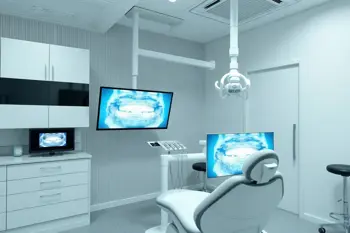
Modern dental implant practices frequently incorporate computer-aided design and digital planning software to increase surgical precision 1. This technology allows the dentist to map the jawbone anatomy before the procedure, which can sometimes negate the need for invasive bone grafting and reduce overall surgical time 1. These systems facilitate a more streamlined experience, from initial scanning to the final placement of the restoration, provided the patient has sufficient bone volume to support the immediate loading of the implant 1, 4.
However, technology does not replace the need for careful patient selection. Even with state-of-the-art imaging, the patient's underlying health status and medical history remain primary indicators for successful integration 5. Smoking and certain chronic conditions can significantly impact the healing process and the stability of the implant 1. Consequently, any comprehensive treatment plan should include a thorough health evaluation and a discussion regarding lifestyle factors that could influence the longevity and stability of the dental restoration 5.
Sources
- American Dental Association MouthHealthy (mouthhealthy.org)
- American Academy of Implant Dentistry (aaid-implant.org)
- U.S. Food and Drug Administration (fda.gov)
- Mayo Clinic (mayoclinic.org)
- Cleveland Clinic (my.clevelandclinic.org)
- National Institute of Dental and Craniofacial Research (nidcr.nih.gov)
- Health Resources and Services Administration (hrsa.gov)
- Dental Lifeline Network (dentallifeline.org)
- 211 (211.org)
- American Dental Education Association (adea.org)
- Healthline (healthline.com)
Authored by MistyMountainView team