Best at-home heart health screening kits: A technical overview of modern cardiovascular monitoring tools
The landscape of cardiovascular monitoring has shifted significantly with the rise of at-home heart health screening kits, which provide individuals with mechanisms to track biomarkers and physiological signals outside of traditional clinical environments 1. These tools range from blood-based laboratory panels measuring lipids and inflammatory markers to hardware-integrated sensors capable of monitoring blood pressure and electrical heart activity 2, 3. This report analyzes the primary categories of home-based heart health monitoring, focusing on current technological capabilities, common test components, and the clinical context necessary for accurate interpretation.
Understanding Biomarker-Based At-Home Panels
Laboratory-based at-home heart health kits typically utilize capillary blood collection to measure metabolic and lipid markers. Kits such as the Advanced Heart Health Panel from Test Smartly Labs and similar offerings from companies like TestWell or kingnature provide comprehensive lipid profiles including total cholesterol, HDL, LDL, and triglycerides 1, 2, 4. Some kits differentiate themselves by including advanced cardiovascular risk indicators like Apolipoprotein B, which is often considered a precise marker for artery-clogging particle burden, and Lipoprotein(a), a genetic factor for heart disease 1, 2.
These panels often incorporate inflammation markers such as high-sensitivity C-reactive protein (hs-CRP) to assess systemic vascular health 1, 4. Additionally, some providers integrate metabolic markers like Hemoglobin A1c (HbA1c) to capture the influence of diabetes as a major cardiac risk factor 2. Users should note that these tests often require fasting before sample collection, and professional laboratory processing remains a standard feature to ensure technical accuracy 2, 4, 8. The goal of these panels is to provide data that can be shared with healthcare providers to inform long-term preventive strategies 2, 7.
Hardware and Continuous Monitoring Solutions
Beyond blood chemistry, physiological screening involves monitoring hemodynamic and electrical metrics. Devices like the CONNEQT Pulse utilize clinical-grade technology to measure pressure at the heart, rather than just at the arm, providing insights into arterial stiffness-a key indicator of vascular strain 6. Similarly, the YourHeartCheck program utilizes AI-assisted Holter monitoring, allowing for three-day continuous ECG recordings to evaluate heart rhythm patterns, which are then subject to audit by cardiac physiologists or cardiologists 3, 9.
For routine monitoring, the industry distinguishes between different hardware capabilities, such as integrated blood pressure monitors with ECG functionality (e.g., Omron Complete) and standalone smart monitors (e.g., Withings BPM Connect, QardioArm) 1, 2, 6. These devices generally connect to mobile applications to track trends over time. According to clinical standards, upper-arm cuffs are generally preferred over wrist-based monitors for their accuracy, and users are advised to verify that any chosen hardware has been validated for clinical performance 1, 2.
Diagnostic Considerations and Clinical Oversight
A critical component of these screening tools is the presence of oversight. Some kits, such as the Advanced Heart Health Panel, provide physician review of critical-value results to ensure the user is notified if follow-up is necessary 1. Furthermore, programs like YourHeartCheck maintain regulatory registrations such as CQC status in the UK, highlighting the importance of data security and clinical safety standards when handling heart rhythm data 3. These features are designed to mitigate the risks associated with independent testing by providing a bridge to formal medical evaluation 3, 6.
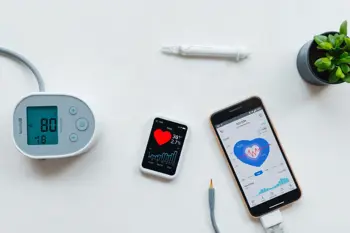
It is important to emphasize that no at-home kit serves as a diagnostic replacement for a full clinical workup or an emergency assessment 1, 12. While single-lead ECG devices can record heart rhythm and identify potential abnormalities like atrial fibrillation, they do not replicate the detail of a standard 12-lead diagnostic ECG 1, 12. Furthermore, the American Heart Association specifies that a reading of 180/120 mmHg or higher constitutes a hypertensive crisis requiring immediate professional medical attention, particularly if symptoms like chest pain or shortness of breath occur 1, 5.
Comparison of Common Testing Metrics
The following table outlines standard markers and physiological measurements frequently found in cardiovascular screening kits to help users understand what data is being assessed.
| Metric Type | Examples of Measured Values | Clinical Relevance |
|---|---|---|
| Lipid Panel | Total Cholesterol, HDL, LDL, Triglycerides | Baseline assessment of cardiovascular disease risk 3. |
| Advanced Markers | ApoB, Lp(a), hs-CRP | Specific indicators of particle burden and systemic inflammation 1. |
| Hemodynamics | Systolic/Diastolic BP, Artery Stiffness | Direct measurement of vascular and heart strain 6. |
| Electrical | Heart Rhythm, HRV | Identification of potential arrhythmias 3, 9. |
Regulatory and Data Security Standards
Data protection is a paramount concern for users of digital health solutions. Reputable providers of ECG monitoring and laboratory testing implement rigorous standards to protect patient information, often aligning with regional regulations like the NHS Data Security and Protection Toolkit or ISO certifications 3. For blood-based testing, companies emphasize laboratory accreditation to ensure that samples, typically collected via capillary methods, are handled by qualified professionals 1, 4, 7. Users should consistently review the privacy policies and the source of laboratory processing for any test kit considered.
Furthermore, because cardiovascular risk assessment is multifactorial, the data provided by these kits should be integrated into a user's overall health history, which includes age, diabetes status, smoking history, and genetic factors 1, 4, 13. The U.S. Preventive Services Task Force underscores that while screening can provide data, the clinical utility depends on how this information guides subsequent preventive treatment decisions, such as dietary adjustments, fitness modifications, or medication management under the supervision of a physician 4, 13.
Maintenance and Long-Term Health Tracking
For individuals managing chronic conditions or following longevity protocols, the ability to track metrics over time is a significant advantage of at-home platforms 2, 6. Many services offer subscription models that allow for regular updates to blood panels or continuous digital tracking of blood pressure indices 7, 9. This longitudinal approach can offer more utility than a single snapshot, as it allows users and their care teams to observe the real impact of lifestyle or therapeutic changes 6.
Despite the convenience, users should remain aware of potential limitations. Capillary blood collection, while efficient, must be performed exactly according to instructions to ensure valid results, and certain kits may have exclusions or specific requirements regarding fasting or transport to the lab 1, 7. By combining hardware-based rhythm monitoring with periodic laboratory biomarker assessments, individuals can construct a more comprehensive, albeit non-diagnostic, view of their cardiovascular status to facilitate proactive health management 1, 6.
Sources
- Test Smartly Labs, Advanced Heart Health Panel Kit Information.
- TestWell, Heart Health Panel Details.
- Your Heart Check, Clinical-Grade ECG Services.
- Kingnature, Cardiovascular Checkup Specifications.
- American Heart Association, Home Blood Pressure Monitoring Guidelines.
- CONNEQT Health, Pulse Device Technical Specifications.
- Mito Health, At-Home Cholesterol Testing Guide.
- DoctorBox, Cardiovascular Checkup Methodology.
- Your Heart Check, Pricing and Clinical Feature Comparison.
- Numan, Complete Blood Test Biomarker Profiles.
- U.S. Food and Drug Administration, Home Medical Device Usage.
- Mayo Clinic, Electrocardiogram Clinical Overview.
- Centers for Disease Control and Prevention, Cardiovascular Disease Risk Facts.
Authored by MistyMountainView team