Recognizing changes in balance and sensation: A Clinical Guide to Symptoms, Causes, and Evaluation
Recognizing changes in balance and sensation means paying attention to new unsteadiness, veering while walking, spinning, lightheadedness, numbness, tingling, burning, or altered sensitivity. These symptoms can reflect changes involving the inner ear, eyes, muscles, joints, peripheral nerves, or brain, and their timing and accompanying features help determine the appropriate level of medical attention. 1
How balance and sensation work together
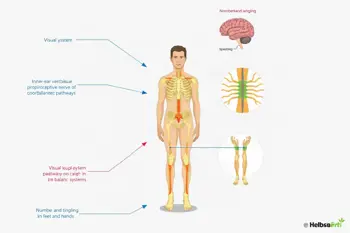
Balance depends on three coordinated information systems. Vision reports the body’s position relative to its surroundings, the vestibular organs in the inner ear detect head movement and acceleration, and proprioceptive receptors in muscles, joints, and tendons signal the position of body parts. The brain integrates these inputs to maintain posture and guide movement. The vestibular system contains three semicircular canals and two otolith organs with sensory hair cells that convert motion into nerve signals. 2
A problem in any one system can produce instability because the brain receives incomplete or conflicting information. Inner-ear disorders may cause spinning or motion sensations, while impaired vision or reduced feedback from the feet may make walking across uneven surfaces more difficult. Balance concerns therefore are not automatically attributable to aging or a single ear condition. Neurological, vestibular, sensory, visual, and musculoskeletal factors may coexist and require separate assessment. 3
Recognizing meaningful changes in balance
Balance changes can appear as swaying, difficulty walking in a straight line, veering, repeated near-falls, sudden dizziness, or a feeling of being unsteady on the feet. Dizziness is a broad description that may mean lightheadedness when changing position, vertigo in which the surroundings seem to rotate, or non-spinning unsteadiness resembling movement on a boat. Describing the exact sensation is clinically useful because these experiences can point toward different systems. 4
Patterns also matter. Symptoms that are new, severe, recurrent, persistent, or worsening deserve medical evaluation, particularly when they interfere with walking or daily activities. Dizziness associated with hearing changes can indicate involvement of the balance and hearing systems. A symptom record should include when the change began, how long episodes last, what movements or positions trigger them, and whether weakness, headache, hearing changes, or vision changes occur at the same time. 5
Recognizing changes in sensation
Sensory changes may include numbness, tingling, pins-and-needles feelings, burning, shooting pain, reduced temperature awareness, or unusual sensitivity to touch. Peripheral neuropathy is associated with numbness, tingling, pain, burning sensations, and weakness, often affecting the hands or feet. These symptoms may develop gradually, making them easy to overlook until walking, footwear, or contact with hot and cold surfaces feels different. 6
Reduced sensation in the feet has a direct relationship to stability because the brain receives less information about pressure, surface texture, and limb position. A 24-month cohort study followed 183 adults with type 2 diabetes at six-month intervals and found that plantar tactile acuity progressively declined. The decline statistically predicted greater postural sway, while the reverse pathway was not significant, supporting a sensory-driven sequence in that study population. 7
When balance or sensory changes are urgent
Sudden balance difficulty accompanied by facial drooping, arm weakness, speech difficulty, vision changes, severe headache, or sudden trouble walking may be a warning sign of stroke. The Centers for Disease Control and Prevention identifies sudden trouble walking, dizziness, loss of balance, and lack of coordination among possible stroke warning signs. These symptoms require emergency medical attention rather than observation at home. 8
Urgent evaluation is also appropriate when dizziness occurs with fainting, weakness or numbness, trouble walking, speech changes, vision changes, severe headache, or chest pain. The seriousness of a symptom cannot be determined from the sensation alone, because similar descriptions may arise from different causes. Recording the precise onset and associated symptoms can help clinicians distinguish an isolated positional episode from a broader neurological or systemic event. 5
How clinicians assess balance and sensation
Clinical assessment may include observation of standing and walking, coordination, strength, reflexes, sensation, vision, hearing, ear function, and positional responses. The Romberg test examines the ability to stand with the feet together when visual feedback is removed by closing the eyes. Excessive sway or loss of balance can suggest impaired proprioception or vestibular integration, although interpretation requires a trained examiner and appropriate fall precautions. 9
Gait and balance evaluation can also use structured tools such as the Tinetti Gait and Balance Test. StatPearls reports that more than 30% of adults aged 65 and older experience at least one fall annually, increasing to approximately 50% among those aged 85 and older. Falls may involve sensorimotor dysfunction, vestibular problems, medication-related changes, autonomic conditions, or biomechanical abnormalities, so a single symptom rarely explains every risk. 10
Reducing risk while changes are evaluated
Fall prevention addresses both the person and the environment. Relevant measures include reviewing medicines with a clinician, improving lighting, reducing household hazards, checking vision, using appropriate footwear, and undertaking exercises intended to improve strength and balance. These measures do not identify the cause of a new symptom, but they can reduce exposure to preventable hazards while assessment proceeds. 11
Particular caution is warranted when numb feet, weakness, vertigo, or unsteadiness changes how a person walks. Reduced plantar sensation can make injuries, pressure, heat, and uneven surfaces harder to detect, while balance impairment can increase the likelihood of falls. A written symptom timeline, information about previous falls, and notes about hearing, vision, medication changes, and triggers provide concrete details for a neurological, vestibular, or primary-care evaluation. 1
Sources
- Lone Star Neurology, “Balance Problems and Frequent Falls: When the Cause Is in the Nervous System”
- NCBI Bookshelf, “In brief: How does our sense of balance work?”
- Fox Valley ENT, “Feeling Dizzy or Unsteady? Here’s How Your Balance System Really Works”
- LI Neurology Consultants, “Why Am I Losing My Balance? Common Neurological Causes Explained”
- Mayo Clinic, “Dizziness: When to See a Doctor”
- National Institute of Neurological Disorders and Stroke, “Peripheral Neuropathy”
- Springer Nature, “Changes in tactile acuity and their association with balance impairment in type 2 diabetes: A 2-year cohort study”
- Centers for Disease Control and Prevention, “Signs and Symptoms of Stroke”
- Medbridge, “Romberg Test Procedure and Clinical Applications”
- NCBI Bookshelf, “Tinetti Gait and Balance Test”
- National Institute on Aging, “Falls and Falls Prevention”
Authored by MistyMountainView team