Early symptoms of Asthma you should know: Clinical warning signs and patterns
Early symptoms of Asthma you should know include more than sudden breathlessness. A recurring dry cough, nighttime symptoms, chest tightness, wheezing, or difficulty keeping up during activity can reflect sensitive, inflamed airways, even when symptoms come and go. Recognizing these patterns helps distinguish possible asthma from an isolated cold or temporary irritation, although only a healthcare professional can confirm the diagnosis. 1
What asthma symptoms feel like at first
Asthma develops when the airways become inflamed and narrower, while the muscles around them tighten and mucus may further restrict airflow. The commonly recognized symptoms are wheezing, difficulty breathing, chest tightness, and persistent cough. Symptoms vary substantially: some people experience only one symptom, while others notice several together. Mild symptoms between flare-ups can make the condition difficult to identify without a detailed history and breathing assessment. 1 2
- Wheezing, often described as a whistling sound when breathing out.
- Shortness of breath or difficulty moving air normally.
- Chest pressure, tightness, or discomfort.
- A cough that persists or repeatedly returns.
A recurring cough can be an early clue
A persistent or recurring cough is frequently overlooked, particularly when it is dry and appears at night, early in the morning, after exercise, or during a respiratory infection. Coughing may be attributed to allergies, throat irritation, acid reflux, a cold, or bronchitis. Cough triggered by laughing, talking, climbing stairs, cold air, dust, smoke, or strong fragrances may indicate airway sensitivity associated with asthma. 3 4
Children may show cough as the dominant symptom rather than clearly describing chest tightness or breathlessness. A cough that repeatedly disrupts sleep, worsens with colds, or lasts longer than expected after an infection deserves medical assessment. A chronic cough does not prove asthma, because several respiratory conditions can cause similar symptoms, but its timing and triggers provide useful information for a clinician evaluating possible airway disease. 5
Nighttime and early-morning patterns
Asthma symptoms commonly become more noticeable at night or in the early morning. Coughing, wheezing, shortness of breath, or chest discomfort may wake a person or interfere with restful sleep. Repeated nighttime symptoms can therefore be an important pattern rather than an incidental inconvenience. In children, disturbed sleep may also appear as daytime fatigue, reduced concentration, or less interest in normal play, although these effects can have other causes. 6 5
- Waking because of coughing or difficulty breathing.
- Needing to sit up to feel more comfortable breathing.
- Early-morning cough that repeatedly follows a similar pattern.
- Daytime tiredness after nights disrupted by respiratory symptoms.
Symptoms linked to exercise and activity
Exercise can expose airway narrowing that is less apparent during rest. Possible warning signs include coughing during or after activity, wheezing, chest tightness, unusual breathlessness, or difficulty completing physical tasks that peers or family members can perform comfortably. A child may stop participating, avoid sports, or need frequent breaks rather than explicitly report breathing difficulty. Exercise-related symptoms can also occur with cold, dry air, infections, or environmental irritants. 7 8
Reduced exercise tolerance is not specific to asthma and may reflect infection, anemia, heart disease, conditioning, or other problems. The clinically useful feature is a recurring pattern, especially when symptoms appear after a particular activity or improve when the activity ends. Recording the activity, environment, symptoms, and recovery pattern can give a healthcare professional more precise information during evaluation. 9
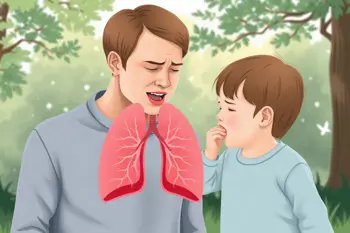
Common triggers that reveal a pattern
Asthma symptoms may appear after exposure to allergens, viral infections, exercise, cold or dry air, cigarette or wood smoke, air pollution, paint fumes, chemicals, strong odors, or emotional stress. Common allergens include pollen, mold, dust mites, cockroaches, and animal dander or saliva. Triggers differ between individuals, and some people with severe asthma may not identify a single specific trigger. 1
| Pattern | Possible associated trigger |
|---|---|
| Cough or wheeze during a cold | Viral respiratory infection |
| Symptoms outdoors or seasonally | Pollen, mold, or air pollution |
| Breathing difficulty during activity | Exercise, particularly in cold air |
| Symptoms around smoke or fragrances | Airway irritants |
Early signs in children
Childhood asthma may present as repeated coughing, wheezing, shortness of breath, chest tightness, poor sleep, delayed recovery after a respiratory infection, or difficulty participating in play and sports. Some children show only a lingering cough or chest congestion. Parents and caregivers may notice that a child cannot keep up with peers, stops activities early, or experiences symptoms during colds and nighttime hours. 5 10
Asthma can begin early, often before age five, but symptoms can start at any age, including adulthood. Wheezing and cough in children can also result from infectious bronchitis or other respiratory problems, so observation alone cannot establish the diagnosis. A healthcare professional can interpret the symptom pattern, examine the child, and determine whether further testing or treatment assessment is appropriate. 1 5
How possible asthma is evaluated
Diagnosis generally combines a medical history, physical examination, and breathing tests such as spirometry. The history should describe when symptoms occur, whether they vary over time, what exposures precede them, whether sleep or exercise is affected, and whether similar problems occur during infections. Because asthma symptoms can overlap with other lung and heart conditions, recurring breathing complaints should not be self-diagnosed from a single episode of cough or wheezing. 2 6
- Describe the frequency, duration, and timing of symptoms.
- Note links to exercise, cold air, infections, allergens, smoke, or odors.
- Record nighttime waking and changes in activity tolerance.
- Discuss any family history of allergies or asthma.
When symptoms require emergency care
Severe asthma attacks can become life-threatening. Emergency warning signs include severe breathing difficulty, blue or gray lips or fingernails, confusion, inability to speak normally, or symptoms that do not improve with a prescribed quick-relief inhaler. Rapid worsening should be treated as a medical emergency rather than monitored at home. The appropriate response depends on the person’s prescribed asthma action plan and local emergency guidance. 10 4
Less severe but recurrent symptoms still warrant clinical attention because asthma can fluctuate and may become more disruptive during infections, exercise, allergen exposure, or air pollution. Early assessment can clarify whether symptoms represent asthma or another condition and can support an individualized management plan. Any person with breathing difficulty that feels sudden, severe, or unusual should seek urgent medical help. 2 6
Sources
- Harvard Health, “Asthma,” https://www.health.harvard.edu/respiratory-health/asthma-a-to-z
- Merck Manual Consumer Version, “Asthma,” https://www.merckmanuals.com/home/lung-and-airway-disorders/asthma/asthma
- NDTV Health, “Not Just Breathlessness, Recognising Early And Atypical Asthma Symptoms,” https://www.ndtv.com/health/not-just-breathlessness-recognising-early-and-atypical-asthma-symptoms-11453120
- FamilyDoctor.org, “Asthma,” https://familydoctor.org/condition/asthma/
- Mayo Clinic, “Childhood asthma: Symptoms and causes,” https://www.mayoclinic.org/diseases-conditions/childhood-asthma/symptoms-causes/syc-20351507
- National Heart, Lung, and Blood Institute, “Asthma Symptoms,” https://www.nhlbi.nih.gov/health/asthma/symptoms
- MedlinePlus, “Asthma,” https://medlineplus.gov/asthma.html
- American Lung Association, “Asthma Symptoms and Diagnosis,” https://www.lung.org/lung-health-diseases/lung-disease-lookup/asthma/symptoms-diagnosis
- Asthma and Allergy Foundation of America, “Asthma Symptoms,” https://aafa.org/asthma/asthma-symptoms/
- National Health Service, “Asthma Symptoms,” https://www.nhs.uk/conditions/asthma/symptoms/
Authored by MistyMountainView team