Understanding early symptoms of thyroid health issues: A clinical overview
The early symptoms of thyroid health issues may include persistent fatigue, unexplained weight changes, cold or heat intolerance, altered heart rate, skin and hair changes, digestive problems, and mood or concentration changes. Because these signs overlap with many other conditions, symptoms can indicate a reason for medical evaluation but cannot establish a diagnosis by themselves. 1
Why the thyroid affects many body systems
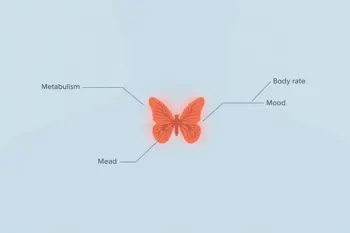
The thyroid is a small, butterfly-shaped gland at the front of the neck that produces the hormones thyroxine, or T4, and triiodothyronine, or T3. These hormones influence metabolism, energy use, body temperature, cardiac function, digestion, mood, growth, and development. As a result, an imbalance can produce symptoms across several unrelated body systems rather than one distinctive complaint. 2
Thyroid disease generally involves hormone production that is too low or too high, although structural problems such as nodules or an enlarged gland can also occur. More than 12% of the U.S. population is expected to develop a thyroid condition during life, while up to 60% of people with thyroid disease may be unaware of it. Women are five to eight times more likely than men to have thyroid problems. 1
Early signs associated with an underactive thyroid
Hypothyroidism occurs when the thyroid does not produce enough hormone, slowing energy use throughout the body. Common early features include persistent tiredness, difficulty losing weight or weight gain, increased sensitivity to cold, dry skin, hair thinning or loss, constipation, low mood, slowed thinking, and reduced concentration. Muscle aches, stiffness, joint pain, brittle nails, and menstrual changes may also appear, particularly as hormone levels decline gradually. 4
These symptoms are not specific to hypothyroidism. Harvard Health notes that more than half of people with normal thyroid function may report symptoms commonly associated with an underactive thyroid, while some older adults with low thyroid levels have few classic signs. This overlap explains why fatigue, weight change, or dry skin should be interpreted alongside a physical examination, medical history, medicines, and laboratory results rather than treated as proof of thyroid disease. 10
Early signs associated with an overactive thyroid
Hyperthyroidism develops when the thyroid releases more hormone than the body needs, causing many functions to speed up. Early symptoms can include unintended weight loss, palpitations or a rapid and irregular heartbeat, anxiety, nervousness, hand tremors, increased sweating, heat intolerance, fatigue, and more frequent bowel movements or diarrhea. Menstrual irregularities may also occur. 6
Hyperthyroidism affects about 1 in 100 Americans aged 12 years and older and is more common in women and people older than 60. Potential risk factors include a family history of thyroid disease, certain autoimmune conditions, recent pregnancy, large iodine intake, iodine-containing medicines, and nicotine product use. Graves disease is the most common cause, although nodules and thyroiditis can also produce excess thyroid hormone. 68
Skin, hair, digestion, and cognitive changes
Changes in skin, hair, bowel habits, mood, and thinking can provide useful context when several occur together. Underactive thyroid disease is associated with dry skin, hair loss or thinning, constipation, low mood, brain fog, and difficulty concentrating. Overactive thyroid disease more often corresponds with sweating, heat intolerance, nervousness, tremor, and increased bowel frequency. None of these patterns is sufficiently specific to diagnose a thyroid disorder without testing. 5
Muscle weakness, aches, stiffness, and joint discomfort can accompany thyroid dysfunction because thyroid hormones affect energy use and multiple organs. Menstrual periods may become heavy, irregular, shorter, or missed when hormone balance changes. The presence of these symptoms does not identify the cause, since autoimmune disease, nutritional problems, medication effects, stress, and other health conditions can produce similar experiences. Clinical interpretation is therefore more reliable than symptom matching alone. 72
Neck swelling and other structural signs
A visible swelling at the lower front of the neck, a feeling of fullness in the throat, or a palpable lump can indicate a goiter or thyroid nodule. Structural thyroid problems may occur with normal hormone production, an underactive thyroid, or an overactive thyroid. Hoarseness, trouble swallowing, breathing difficulty, or rapidly increasing neck swelling are findings that warrant medical assessment because they may reflect pressure or another neck abnormality. 3
Hashimoto disease, an autoimmune condition that can gradually damage the thyroid, may first present with swelling in the front of the neck before obvious hormone deficiency develops. Later symptoms can include fatigue, cold sensitivity, constipation, dry skin, hair loss, concentration problems, and muscle or joint discomfort. A family history of Hashimoto disease or another autoimmune condition increases the likelihood of this disorder, although it does not confirm it. 7
How clinicians evaluate possible thyroid disease
Evaluation commonly begins with a physical examination, symptom history, medication review, and blood testing. Thyroid-stimulating hormone, or TSH, is central to the assessment, with thyroid hormone measurements such as T4 and T3 used to clarify whether the gland is underactive, overactive, or showing a less severe biochemical pattern. Depending on the findings, clinicians may also consider thyroid antibodies or imaging. 3
Testing is most informative when connected to symptoms, examination findings, pregnancy status, age, and relevant risk factors. The U.S. Preventive Services Task Force has stated that evidence is insufficient to recommend routine screening of asymptomatic, nonpregnant adults, and unnecessary treatment of mild laboratory abnormalities can expose patients to harms such as cardiac arrhythmias and fractures. Severe palpitations, breathing difficulty, rapid neck swelling, or major thyroid-related changes during pregnancy require prompt clinical attention. 93
Sources
- Ochsner Health, What Are the Early Warning Signs of Thyroid Problems?
- NewYork-Presbyterian Health Matters, What Are the Signs and Symptoms of Thyroid Disease?
- Acibadem Hospitals Group, Thyroid Symptoms: Common Causes, Related Conditions, and When to See a Doctor
- Merck Manual Professional Edition, Hypothyroidism
- AccessGP, Thyroid Hormone Balance: Symptoms, Tests and GP Guidance
- National Institute of Diabetes and Digestive and Kidney Diseases, Hyperthyroidism
- Penn Medicine, Hashimoto’s Disease: Symptoms and Causes
- Merck Manual Professional Edition, Hyperthyroidism
- American Family Physician, Thinking Through Testing for Primary Thyroid Disease
- Harvard Health Publishing, Thyroid Hormone: How It Affects Your Heart
Authored by MistyMountainView team