Best infrared light therapy for neuropathy: An evidence-based guide to wavelengths, devices, and safety
Burning feet, tingling, numbness, and sharp nerve pain are among the symptoms that lead people to investigate infrared light therapy for neuropathy. The approach is noninvasive and drug-free, but the clinical evidence is mixed and generally supports symptom management rather than a guaranteed reversal of nerve damage. 1 2
What infrared therapy means for neuropathy
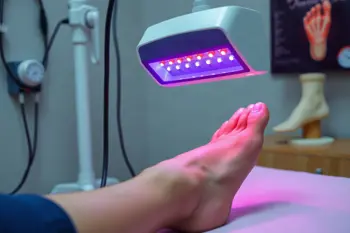
Infrared therapy for neuropathy usually refers to photobiomodulation, in which red or near-infrared light is applied to the skin over the feet, ankles, hands, or lower legs. Commonly discussed wavelengths range from approximately 600 to 1100 nanometers, with near-infrared devices frequently using wavelengths around 800 to 900 nanometers. 2 3
The proposed mechanism involves light interacting with cellular structures, particularly mitochondria, potentially affecting ATP production, circulation, inflammation, and tissue repair. Research and clinical descriptions also associate monochromatic infrared photo energy, or MIRE, with reduced pain in some peripheral-neuropathy patients. These mechanisms remain different from medications that primarily reduce abnormal nerve signaling. 3 8
Which wavelengths and formats receive the most attention
Professional and consumer devices commonly combine visible red wavelengths such as 630 or 660 nanometers with near-infrared wavelengths such as 830, 850, or 880 nanometers. The research information supplied for this review identifies wavelengths near 880 nanometers as particularly relevant to nerve-related applications, while product specifications show that 830 and 850 nanometers are also widely used. 3 4 5
| Device characteristic | Why it matters |
|---|---|
| Wavelength | Indicates whether the device emits red, near-infrared, or both types of light. |
| Coverage | Determines whether the top, bottom, sides, toes, ankles, hands, or calves receive exposure. |
| Skin contact | Wraps, pads, and boots can maintain a more consistent distance from the treatment area. |
| Irradiance and timer | Output and session controls help establish repeatable use, although higher output is not automatically better. |
Comparing common device designs
Flexible pads and wraps are often considered practical for neuropathy because they can conform to the feet or hands and maintain contact across irregular surfaces. Boots provide enclosed coverage and may treat the soles, arches, toes, heels, and ankles at the same time. Flat foot platforms require the user to position the feet over the light source and may provide less surrounding coverage. 4 6
Available specifications illustrate the range. One enclosed boot reports 170 LEDs, wavelengths of 630, 660, 830, and 850 nanometers, and irradiance up to 132 mW/cm² at zero distance. Another ankle-high system uses pulsed 630 and 850 nanometer output with top-and-bottom foot coverage. These figures describe equipment, not proof that one format produces superior clinical outcomes. 4 5
What the evidence can and cannot establish
Research cited in the supplied material indicates that near-infrared therapy may reduce pain associated with diabetic peripheral neuropathy, and clinical trials of MIRE reported significant pain reduction in peripheral-neuropathy patients. A clinical practice article characterizes the evidence as genuine but modest, with the strongest support involving diabetic and chemotherapy-related neuropathy. 8 7
These findings do not establish that light therapy regenerates every damaged nerve, restores normal sensation, or treats the underlying cause of neuropathy. Neuropathy can result from diabetes, chemotherapy, compression, injury, inflammation, vitamin deficiency, autoimmune disease, or hereditary conditions. Consequently, a device that reduces discomfort may still leave the cause untreated and should not replace diagnostic evaluation or disease management. 1 3
How treatment is typically approached
Home-use systems often include automated timers and preset protocols intended to make sessions consistent. The general research information supplied for this article describes schedules beginning around 20 minutes twice daily for several weeks, while one enclosed boot specifies a 20-minute session and daily or as-needed use. These schedules are not universal prescriptions because output, distance, pulse settings, skin condition, and diagnosis vary among devices and patients. 4 10
- Check the manufacturer’s wavelength, irradiance, treatment distance, and timer instructions.
- Use only on the areas and for the duration specified by the device documentation.
- Track pain, tingling, sleep, balance, and sensation rather than assuming visible light means therapeutic dosing.
- Discuss persistent symptoms with a qualified clinician, particularly when diabetes or chemotherapy is involved.
Risks, safety, and regulatory questions
Reduced sensation creates a specific risk: a person with neuropathy may not notice excessive heat, pressure, redness, or a developing burn. Safety information therefore emphasizes checking the skin during and after sessions. Treatment should stop if unusual warmth, irritation, blistering, or worsening symptoms occurs. Eye exposure, photosensitive conditions, and interactions with medications or medical conditions also warrant professional review. 10
The FDA provides clearance criteria for LED devices intended for temporary relief of minor pain, but regulatory clearance is not the same as proof that a device reverses neuropathy or repairs nerves. Consumers should distinguish the stated regulatory indication from broader marketing claims such as restoring sensation or curing neuropathy. Certification labels such as CE or RoHS describe particular compliance frameworks, not clinical superiority. 9 4
How to judge claims before choosing a device
The most defensible choice is based on transparent specifications and a realistic treatment goal. A device should identify its wavelengths, output measurement conditions, treatment area, session duration, and safety instructions. Full-foot or hand coverage may be more practical than a narrow light source when symptoms affect several surfaces, while a flexible pad may be preferable when close contact and portability are priorities. 5 6
Claims supported only by testimonials, LED counts, or phrases such as “clinical grade” require caution. One listed neuropathy kit advertises 5,616 LEDs and 660 plus 850 nanometer output, while another lists 3,456 LEDs across four devices. LED quantity alone does not reveal delivered dose, tissue exposure, adherence, or clinical effectiveness. The appropriate role of infrared therapy is best viewed as a possible adjunct for symptom relief within a broader neuropathy-care plan. 6 7
Sources
- Chesterton Physical Therapy, “Infrared Light Therapy for Neuropathy Relief”
- Neuropathy.ai, “Infrared Light Therapy for Neuropathy: What Podiatrists Are Trying and Why”
- Kineon, “Red Light Therapy for Nerve Damage and Neuropathy”
- NovaaLab, “Novaa Light Boot”
- Life Inspiring Solutions, “Pulsed Neurocare Ankle-High Light Therapy Boots”
- Medical Relief Store, “Bright Health Red Light Therapy Foot Pain Relief Device”
- Synergy Pain Relief, “Red Light Therapy for Neuropathy in Naperville”
- Diabetes Care and PubMed Central, research on monochromatic infrared photo energy and diabetic peripheral neuropathy
- U.S. Food and Drug Administration, medical-device information
- Cleveland Clinic, light-therapy safety information
Authored by MistyMountainView team