Best bridge clubs for seniors near me: An Analytical Guide to Identifying Local Playing Opportunities
Locating the best bridge clubs for seniors near me requires understanding the intersection of community recreation centers, independent bridge organizations, and the role of the American Contract Bridge League (ACBL) in providing structured play 1. For many older adults, bridge serves not only as a mentally stimulating pastime but also as a primary driver of social connectivity 5. Because regional availability fluctuates, identifying the right club necessitates a review of both public senior facilities and specialized, ACBL-sanctioned organizations 3. This guide evaluates the common structures of these clubs and provides a framework for identifying local opportunities.
The Role of Senior Centers in Facilitating Bridge
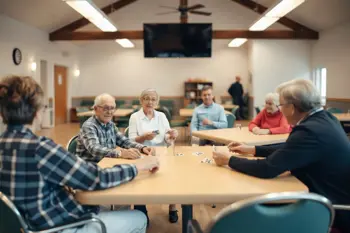
Many community and senior centers serve as the primary host for local bridge activity, often providing a low-barrier environment for beginners and intermediate players alike 6. For example, programs like those at the Park City Senior Center emphasize a learn-by-playing philosophy, which is particularly effective for those new to the game or returning after a hiatus 1. These settings typically operate on a drop-in basis and focus on camaraderie rather than the rigid structure of competitive tournament play 3.
Operational details at these venues vary significantly depending on local funding and programming mandates. While some centers, such as the Joslyn Senior Center, offer bridge as a free activity, others maintain membership-based models to cover operating costs and facility maintenance 2, 6. Prospective players should confirm specific requirements-such as residency status or recreational membership passes-before attending, as organizations like the Devonshire Senior Center require a formal pass to participate in their duplicate bridge sessions 4.
Understanding Duplicate vs. Social Bridge
Distinguishing between social bridge and duplicate bridge is essential for identifying the right club environment. Social bridge, often found in informal senior center settings, is generally more relaxed, allowing for table talk and peer-to-peer assistance 7. Conversely, duplicate bridge is the standard for competitive play, where the same hands are dealt at each table to ensure that scoring is based on relative performance rather than card distribution 4, 8.
Clubs that host duplicate sessions frequently maintain affiliations with the ACBL, which provides a structured system for ranking players through masterpoints 5, 10. While these sessions are inherently more competitive, many clubs cater to all skill levels by hosting specifically designated novice or open games 8, 10. Below is a summary of typical characteristics associated with each format:
| Feature | Social Bridge | Duplicate Bridge |
|---|---|---|
| Focus | Camaraderie & Relaxation | Strategy & Competition |
| Scoring | Cumulative Total | Relative Performance |
| Instruction | Peer-to-peer help available | Formal rules apply |
| Affiliation | Usually independent | Often ACBL-sanctioned |
Evaluating Membership and Cost Structures
Financial requirements for joining a bridge club depend heavily on the type of organization. Independent community centers may charge an annual membership fee, while others operate on a pay-per-game basis 2, 5. For instance, the Martin Andersen Senior Center utilizes a tiered pricing structure based on membership status, while other venues, like the Oak Hammock Duplicate Bridge Club, charge a flat fee per session 5, 9. Understanding these nuances is critical for long-term participation.
Registration processes also vary, with many municipal programs requiring advance sign-ups via town portals, while others accept walk-ins 2, 6. It is common for clubs to offer discounted rates for seniors, and some provide additional incentives, such as complimentary guest passes or access to member-only workshops 2. When searching for local clubs, inquiries should focus on whether a facility is a public recreation center or a private non-profit, as this affects both the cost and the potential eligibility criteria 3, 9.
Navigating ACBL Resources for Local Clubs
The ACBL provides the most robust directory for those seeking sanctioned clubs, which are organized by geographic units and districts 1, 5. Using the official ACBL club finder allows individuals to filter for specific types of games, such as novice-friendly sessions, which are explicitly designed to help older adults transition into competitive play 1, 4. This is a primary resource for anyone looking to ensure that their chosen club follows standardized rules and safety regulations 8.
Furthermore, the ACBL Newcomer program is specifically tailored for adults learning the game later in life, providing resources that facilitate the shift from casual card games to the more technical aspects of duplicate play 4. Players who struggle to find a local partner can often contact club organizers-who are frequently listed in ACBL directories or regional newsletters-to facilitate the pairing process 5, 9.
Hybrid Play: The Rise of Online Bridge
In addition to in-person venues, many clubs have successfully adopted hybrid models, incorporating online play via platforms such as Bridge Base Online (BBO) 1. This transition has allowed seniors who may have mobility issues or transportation constraints to remain active in the community 1. Online games are often synchronized with local clubs, meaning players can earn masterpoints and participate in tournaments from their own homes 2.
While digital play is a useful alternative, it requires a certain level of technical familiarity. Many local clubs that host online games also provide occasional tutorials or help-desk support for members who are new to digital interfaces 1, 4. Prospective members should inquire whether a local club provides this level of technical assistance or if they operate strictly in-person 9.
Important Considerations for Prospective Players
When selecting a bridge club, it is vital to evaluate the cultural fit of the organization. Some clubs are strictly formal, while others, such as those within the Seba Seniors program, prioritize a social atmosphere with table talk and minimal pressure 7. Before committing to a club, it is advisable to attend as an observer or a guest to gauge the pace of play and the overall level of competitiveness 5. This ensures that the environment matches the individual's desire for recreation versus competitive intensity.
Lastly, keep in mind that many clubs do not provide instruction during game sessions 4. If a learner requires formal lessons, they should look specifically for clubs that list bridge classes or workshops, often advertised through regional newsletters or local community center calendars 2, 9. By prioritizing clubs that explicitly mention education as part of their programming, seniors can ensure they have the resources needed to grow their skills effectively 1.
Sources
- American Contract Bridge League (ACBL) Club Finder
- Northbrook Park District Senior Services
- National Council on Aging (NCOA) Resources
- Active.com Local Event Directories
- Oak Hammock Community Resources
- Blue Zones Health Event Listings
- Seba Seniors Program Guides
- Bridge Guys Standardized Rules
- Martin Andersen Senior Center Activity Calendar
- The Common Game Ranking Systems
Authored by MistyMountainView team