Understand kidney disease treatment options: A clinical analysis of management strategies
Understanding the spectrum of clinical interventions for kidney health is essential for patients, as the management of renal function depends heavily on the stage of the disease, its etiology, and overall physiological health 9. Because kidneys filter approximately 150 quarts of blood daily, their dysfunction affects nearly every organ system 5. Consequently, clinical management strategies are designed to address not only the primary renal impairment but also systemic comorbidities such as cardiovascular disease and hypertension 2, 8.
Foundational Management of Chronic Kidney Disease
For individuals in the early to moderate stages of chronic kidney disease (CKD), the primary clinical objective is to slow disease progression and minimize further structural damage to the nephrons 2, 9. Managing comorbid conditions like diabetes and high blood pressure serves as the cornerstone of this approach 2, 5. Maintaining blood pressure at or below 140/90 mm Hg is a standard clinical goal, often requiring a combination of lifestyle modifications and pharmacological intervention 2. Lifestyle adjustments typically include sodium reduction, smoking cessation, and increased physical activity 2, 9.
Pharmacological strategies often involve the use of ACE inhibitors or ARBs, which are frequently prescribed to manage both blood pressure and proteinuria 1. Additionally, the emergence of SGLT2 inhibitors has provided a new therapeutic pathway to slow the decline of kidney function and reduce cardiovascular risks, even in patients who do not have a diagnosis of diabetes 1. Because there is no universal diet for all patients, clinical teams work to provide individualized nutritional guidance based on specific lab markers, including potassium, phosphorus, and protein levels 8, 9.
Hemodialysis Modalities
When kidneys reach advanced failure, patients may transition to renal replacement therapy. Hemodialysis is the most common form of treatment, utilizing a machine to filter waste products and excess fluid from the blood 1, 3. In-center hemodialysis typically occurs three times per week for approximately four hours per session, requiring minimal patient training as clinic staff handle the technical components 3. Conversely, home hemodialysis offers greater flexibility in scheduling but requires both the patient and a trained partner to manage the equipment and monitor vital signs 3.
Peritoneal Dialysis and Its Clinical Application
Peritoneal dialysis utilizes the lining of the abdominal cavity, known as the peritoneum, as a natural filter 3. This method allows patients more freedom of movement compared to traditional hemodialysis 3. Two primary types exist: Continuous Ambulatory Peritoneal Dialysis (CAPD), which involves manual fluid exchanges throughout the day, and Automated Peritoneal Dialysis (APD), which utilizes a cycling machine during the night 3. Both methods necessitate significant training for the patient, as they are responsible for performing these exchanges in a clean, controlled environment 3.
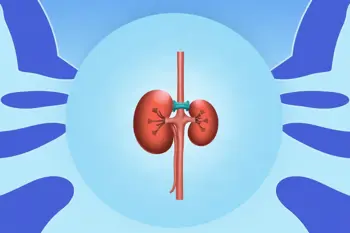
Kidney Transplantation Overview
A kidney transplant represents a surgical alternative to dialysis, involving the implantation of a healthy kidney from a deceased or living donor 1. This treatment can offer a significant improvement in quality of life; however, it requires the recipient to adhere to a strict regimen of lifelong anti-rejection medications to prevent graft failure 1, 3. Recipients must undergo a thorough medical evaluation to determine candidacy, and subsequent long-term monitoring is essential to ensure the continued function of the transplanted organ 1, 3.
Conservative Management Strategies
For some patients, conservative management serves as an alternative to dialysis or transplantation 6. This approach focuses on symptom control and maintaining quality of life rather than replacing renal function 6. Care teams for conservative management are interdisciplinary, often including nephrologists, pharmacists, social workers, and dietitians who collaborate to manage symptoms like nausea, anemia, and appetite loss 6. This path is a clinical decision based on patient preference and overall health status, emphasizing comfort and palliative support throughout the progression of the condition 6.
Monitoring and Disease Progression
Managing CKD requires a consistent, long-term commitment to clinical monitoring 10. Markers such as the estimated Glomerular Filtration Rate (eGFR) and urine albumin levels are standard metrics used by clinicians to assess how quickly the disease is progressing 4. Because many individuals experience no symptoms until the advanced stages of kidney failure, early detection through routine screening remains the most effective way to implement preventative care strategies 5, 7. Effective treatment is always individualized to account for the specific underlying etiology, whether the kidney damage was caused by chronic hypertension, autoimmune disease, or genetic disorders 8, 10.
Sources
- National Institute of Diabetes and Digestive and Kidney Diseases
- National Institute of Diabetes and Digestive and Kidney Diseases: Managing Chronic Kidney Disease
- National Institute of Diabetes and Digestive and Kidney Diseases: Kidney Failure Treatment Options Comparison Chart
- National Institute of Diabetes and Digestive and Kidney Diseases: Identify and Manage Patients with CKD
- NIH News in Health
- National Institute of Diabetes and Digestive and Kidney Diseases: Conservative Management
- Annual Review of Medicine
- CKD Online
- Florida Kidney Physicians
- Acibadem Hospitals Group
Authored by MistyMountainView team