Ways to manage back pain at home: A clinically reviewed guide to self-care and warning signs
Ways to manage back pain at home usually focus on gentle movement, temporary activity modification, heat or cold, and carefully chosen medicines rather than prolonged bed rest. Most uncomplicated back pain improves with time, although recurring or persistent symptoms require a more structured assessment. 1
Keep moving within comfortable limits
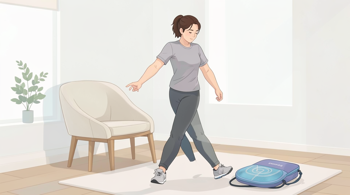
Remaining active is a central part of home care for common mechanical back pain. Short walks, frequent position changes, and ordinary activities performed within tolerable limits can help prevent stiffness and loss of conditioning. Dartmouth Health reports that research supports activity during recovery and indicates that excessive rest can worsen lower back pain. Strenuous lifting, twisting, or movements that sharply increase symptoms should be reduced temporarily rather than repeatedly tested. 4
Movement does not mean ignoring severe pain or forcing a damaged area to work. A practical approach is relative rest: stop the activity that triggered the flare, find a comfortable position, then resume light movement gradually. Prolonged bed rest can weaken muscles, increase stiffness, and reduce circulation needed for recovery. When pain begins improving, normal tasks can be rebuilt in small steps instead of returning immediately to heavy exertion. 5
Use heat or cold appropriately
Heat may reduce muscle tightness and make movement more comfortable, while cold can be useful after a recent strain when soreness or swelling is prominent. Either option should be wrapped in a protective layer and applied for limited periods, rather than directly against the skin or while sleeping. The response is individual, so the safer choice is the method that reduces discomfort without causing skin irritation or increased symptoms. 2
Temperature treatment is a symptom-management measure, not a diagnosis or a cure for nerve compression, fracture, infection, or other serious causes. It is most useful when combined with gentle activity and sensible load reduction. If pain keeps worsening despite these measures, or if heat and cold provide no meaningful relief, continued home treatment should not replace clinical evaluation. 6
Try gentle stretching and strengthening
Gentle exercises can improve flexibility and strengthen the back, abdominal, and supporting muscles. Mayo Clinic describes movements such as knee-to-chest stretching, lower-back rotation, and controlled abdominal or pelvic exercises. These routines should begin with only a few repetitions and should be performed slowly. People starting exercise because of ongoing pain or a recent injury should discuss safe activities with a healthcare professional, particularly when symptoms travel into a leg. 3
Exercise selection should match the person’s symptoms and physical condition. Stretching that causes sharp pain, increasing leg symptoms, or new weakness is not an appropriate progression. For longer-lasting pain, non-drug approaches can include exercise, yoga, tai chi, mindfulness-based stress reduction, and cognitive behavioral strategies. These approaches are generally components of a broader management plan rather than instant solutions. 8
Consider over-the-counter medicines carefully
Ibuprofen and naproxen are nonsteroidal anti-inflammatory drugs that may provide short-term relief for some minor back pain. Topical creams, ointments, or patches are other options described in clinical guidance. All medicines should be used exactly as labeled, at the lowest appropriate exposure and for the shortest practical period. Acetaminophen may be considered in some situations, although it is often less effective than anti-inflammatory medicines for acute low back pain. 5
NSAIDs can cause stomach bleeding, kidney problems, cardiovascular effects, and medication interactions. Extra caution is needed with a history of ulcers, kidney disease, heart disease, uncontrolled high blood pressure, blood-thinning medicine use, or pregnancy. The FDA warns that heart attack, stroke, and gastrointestinal bleeding risks can increase, particularly with higher doses or longer use. A pharmacist or clinician can assess individual risks before use. 7
Prevent avoidable flare-ups
Back-care habits can reduce repeated strain without guaranteeing that pain will not return. Safe lifting involves keeping a load close to the body, bending through the hips and knees, and avoiding twisting while lifting. Changing positions during prolonged sitting, maintaining regular movement, and gradually improving conditioning can also reduce the physical burden associated with inactivity. Weight, posture, aging, tobacco use, injury, and repetitive overload may all contribute to back symptoms. 4
Prevention also requires attention to patterns rather than a single painful episode. Recording which activities worsen symptoms can help identify repeated bending, lifting, sitting, or sudden increases in exercise. A physical therapist, physician, or rehabilitation specialist can provide an individualized plan when pain is recurrent or interferes with routine tasks. Harvard Health emphasizes that an accurate diagnosis helps match treatment to the specific back problem. 1
Know when home care is not enough
Urgent medical assessment is warranted for back pain accompanied by new bowel or bladder problems, numbness around the groin, significant leg weakness, fever, unexplained weight loss, or pain after major trauma. These symptoms can indicate neurological, infectious, structural, or other conditions that should not be managed solely with household measures. Severe symptoms that appear suddenly or progress rapidly also warrant prompt professional attention. 6
A clinician should evaluate pain that is severe, worsening, recurrent, or not improving after several weeks of home care. Persistent pain lasting longer than 12 weeks is considered chronic and may require a more detailed assessment, physical examination, and sometimes imaging or nerve testing. Most common back pain does not require surgery, but identifying the cause helps determine whether exercise, rehabilitation, medicine, or another treatment is appropriate. 2
Sources
- Harvard Health, Create a plan to relieve your back pain
- Harvard Health, Back Pain
- Mayo Clinic, Back exercises in 15 minutes a day
- Dartmouth Health, Tips to Relieve Your Lower Back Pain
- MercyOne, Back pain treatment guide: Best ways to relieve back pain
- Acibadem Hospitals Group, Over-the-Counter Remedies for Lower Back Pain
- U.S. Food and Drug Administration, Nonsteroidal Anti-inflammatory Drugs
- American College of Physicians, Clinical Guidelines
Authored by MistyMountainView team