14-Day Island Tour to Hawaii: Analytical Review of Multi-Island Expedition Logistics
A 14-day itinerary across the Hawaiian Islands is a significant undertaking that requires careful coordination of inter-island transit, accommodation bookings, and activity scheduling. Travelers typically organize these expeditions to encompass the four major islands: Oahu, Maui, the Big Island of Hawaii, and Kauai, balancing dense urban exploration with remote natural immersion 1. Professional tour operators often structure these 14-day journeys to provide a mix of cultural experiences and adventure-based tourism, with total trip durations typically involving 13 nights of lodging 2, 3.
Oahu: The Urban and Historical Gateway
Oahu serves as the primary entry point for the vast majority of visitors arriving from mainland United States and international locations 4. This island balances refined urban elegance with the wilder landscapes of the North Shore. Travelers often dedicate the initial three to four days to exploring Honolulu and Waikiki, which allows for gradual acclimation to the Pacific time zone 5, 6. Key historical sites, such as the Pearl Harbor National Memorial and the USS Arizona Memorial, are central components of most structured itineraries 7, 8.
While staying in the Waikiki district, many travelers find that a private rental vehicle is not required due to the density of public transit and walkable amenities 9. However, those venturing beyond Honolulu to the North Shore for surfing or historical sightseeing typically employ motorcoach tours or personal rentals to access the Windward Coast and famous surf breaks 10. The juxtaposition of Iolani Palace, the last residence of the Hawaiian Royal Family, against the backdrop of modern luxury resorts defines the unique character of an Oahu stopover 11.
The Big Island: Volcanic Landscapes and Geological Significance
The Big Island offers a distinct shift in pace, characterized by expansive volcanic terrain and dramatic environmental contrasts. Hawaii Volcanoes National Park stands as the cornerstone of most multi-island tours, providing access to active geological sites such as Kilauea and Mauna Loa 12, 13. Explorations on this island often require significant drive time, making rental vehicle procurement a critical planning step long before arrival 14. The island serves as a site for both scientific observation and traditional cultural practices, including lei-making and coffee cultivation education 15.
| Activity Category | Typical Focus |
|---|---|
| Geology | Hawaii Volcanoes National Park, Lava Fields |
| Adventure | Manta Ray Night Snorkel, Kona Coast |
| Culture | Coffee Farm Tours, Place of Refuge |
Beyond the volcanic interior, the Kona Coast offers coastal experiences such as nocturnal snorkeling encounters with manta rays 16. Because of the sheer size of the island, many travelers utilize local guides for private excursions to ensure safe access to protected areas and to better understand the significance of the Pu'uhonua o Hōnaunau National Historical Park, also known as the Place of Refuge 17.
Maui: Natural Horizons and Cultural Traditions
Maui is frequently included in 14-day itineraries for its combination of romantic coastal landscapes and high-altitude wilderness areas like Haleakalā National Park 18. The island is home to the renowned Road to Hāna, a route that demands significant planning and full-day time commitments due to its complex driving conditions and narrow, winding pathways 19. Furthermore, visitors must secure advanced vehicle reservations for sunrise access at the summit of Haleakalā, a strict regulatory requirement for managing traffic and environmental impact 20.
For those interested in marine life, the Auau Channel, located between Maui, Lanai, and Molokai, holds one of the highest concentrations of humpback whales in the region during the peak season from January through March 21. Snorkeling at the Molokini Crater is another common highlight, often integrated into sea-based excursions that showcase the diverse marine ecosystems protected by state and local regulations 22.
Kauai: The Garden Isle and Natural Preservation
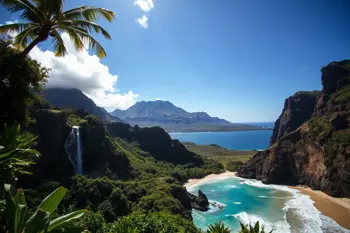
Kauai is often positioned as the final or secondary stop to provide a more serene, nature-focused experience. Known as the Garden Isle, its topography is defined by the inaccessible cliffs of the Nāpali Coast and the expansive, deep-red vistas of Waimea Canyon, frequently referred to as the Grand Canyon of the Pacific 23, 24. Because of the island's unique geology, full appreciation of its scenic beauty often requires access via boat or helicopter, as terrestrial roads are limited in reach 25.
The Hulēʻia National Wildlife Refuge and the Wailua River cruise are standard activities that emphasize the island's lush environment and agricultural history. Like the other islands, public infrastructure on Kauai is limited, necessitating a rental vehicle for independent exploration of the island's northern and southern regions 26. Travel planning for this island should account for the potential for heavy rainfall, which contributes to the island's namesake vegetation but can occasionally impact access to certain hiking trails and coastal paths 27.
Logistics: Air Travel and Ground Transportation
Inter-island travel is a vital component of a 14-day four-island tour. Regional carriers, including Hawaiian Airlines and Southwest Airlines, provide frequent flight connectivity, with most segments lasting between 40 and 60 minutes 28. Given the frequency of these flights, travelers often find that logistics management-such as coordinating luggage transfers and airport arrivals-is the most labor-intensive part of the itinerary 29. Professional tour directors are often employed in hosted travel packages to manage these transitions, including pre-arranged motorcoach transportation and hotel transfers 30.
Budgeting for a 14-day trip is influenced heavily by the selection of accommodation, with luxury options concentrated in high-demand zones like Wailea on Maui and the Kohala Coast on the Big Island 31. Travelers should be aware that peak tourist seasons-specifically the winter holiday window from mid-December through mid-April and the summer months-result in higher costs and reduced availability for both lodging and rental vehicles 32.
Regulatory Oversight and Environmental Responsibility
The state of Hawaii maintains strict regulations to protect its delicate ecosystems, and visitors are expected to adhere to guidelines concerning wildlife interactions, reef protection, and cultural preservation 33. This includes the proper use of reef-safe sunscreen and respectful behavior in sacred historical sites. Engaging with authorized tour providers can help ensure compliance with these standards, as many professional guides are trained to educate visitors on the significance of local customs and land stewardship 34.
Maintaining an awareness of these regulations is essential for responsible travel. Whether visiting the volcanic fields of the Big Island or the protected coastal regions of Kauai, the emphasis remains on minimizing the environmental footprint while engaging with the diverse heritage of the Hawaiian Islands 35.
Sources
- TripAdvisor, 14-Day Itinerary Guide
- North American Travel Service, Hawaii Four Island Adventure
- Circle Line Tours, Grand Hawaiian Adventure
- Go Hawaii, Oahu Travel Information
- Plantrip, 14-Day Best-of-Hawaii Loop
- The Occasionist, Ultimate 14-Day First-Time Hawaii Itinerary
- Insight Vacations, Hawaii with Oahu, Maui & the Big Island
- TourRadar, Hawaii Multi-Island Reviews
- Island Hopper Guides, Hawaii Honeymoon Itinerary
- Malama Tours, 10-Day Island Hopper
- The Vacation Store, Grand Hawaiian Adventure
- National Park Service, Hawaii Volcanoes National Park
- Journeyscape, Spirit of Hawaii
- Lonely Planet, Hawaii Planning
- Collette, Grand Hawaiian Adventure
- Pinoy Tourism, Hawaii Four Island Adventure
- NPS, Pu'uhonua o Hōnaunau National Historical Park
- Recreation.gov, Haleakalā Sunrise Access
- Maui Visitors Bureau, Road to Hāna Planning
- Recreation.gov, Haleakalā National Park
- Island Hopper Guides, Humpback Whale Season Data
- Malama Tours, Molokini Sail Itinerary
- Hawaii Tourism Authority, Kauai Destinations
- The Vacation Store, Grand Hawaiian Adventure Inclusions
- Hawaii Tourism Authority, Nāpali Coast Data
- Lonely Planet, Kauai Rental Car Recommendations
- Hawaii Tourism Authority, Kauai Environmental Awareness
- Southwest Airlines, Hawaii Inter-Island Connectivity
- TripAdvisor, Hawaii Logistics and Transit
- North American Travel Service, Tour Logistics
- Condé Nast Traveler, Hawaii Resort Regions
- General Travel Data, Hawaii Peak Season Economics
- Hawaii Department of Land and Natural Resources
- Malama Tours, Cultural Stewardship Guidelines
- Hawaii Department of Land and Natural Resources, Environmental Protection
Authored by MistyMountainView team