Best cold plunge therapy for inflammation: A technical analysis of physiological recovery protocols
The Physiology of Cold-Induced Inflammation Management
Cold plunge therapy, technically defined as cold-water immersion (CWI), typically involves full-body submersion in water maintained between 39°F and 55°F (4°C to 13°C) 1. This practice modulates inflammation primarily through the manipulation of blood flow and cellular signaling. Upon immersion, the body initiates rapid vasoconstriction, where peripheral blood vessels narrow to conserve core heat 2. This process effectively shifts blood volume away from extremities toward the vital organs, while simultaneously limiting the volume of interstitial fluid that can pool in muscle tissue after exercise-induced micro-tears 4. By constricting these microvascular pathways, cold exposure helps to minimize internal pressure and subsequent swelling that often contributes to the deep ache associated with delayed-onset muscle soreness 4.
Beyond mechanical vascular changes, cold immersion serves as an anti-inflammatory stimulus at a biochemical level. Exposure triggers the release of norepinephrine, a neurotransmitter that suppresses pro-inflammatory signals and enhances mood regulation 2. Research indicates that regular sessions can lead to a measurable reduction in the production of inflammatory cytokines, such as IL-6 and TNF-α, which are frequently elevated following intense physical exertion 2, 11. When the body re-warms post-immersion, vasodilation floods tissues with oxygen-rich blood, supporting the lymphatic system in the removal of metabolic waste products generated during strenuous activity 11.
Defining Evidence-Based Recovery Protocols
Maximizing the benefits of cold therapy requires adherence to specific, reproducible protocols. Current research suggests a minimum effective dose of approximately 11 minutes of total immersion time per week, ideally divided into two to four sessions to avoid excessive physiological stress 1. While individual tolerance varies, session durations typically range from 1 to 10 minutes depending on the user's experience level 1. Staying submerged for longer durations does not inherently correlate with superior inflammatory reduction and may increase the risk of systemic thermal stress 1, 7.
Practitioners must also consider the timing of their sessions in relation to strength training. Because a certain level of inflammatory signaling is necessary for muscle adaptation and hypertrophy, research advises against plunging within four hours of lifting weights, as it may blunt the muscle-building response 1. For those focusing on recovery after endurance sports or high-impact activities, cold plunging can be particularly effective at mitigating soreness by 15-30% 11. It is essential to maintain consistent temperature monitoring, as the therapeutic window is most effective when the water remains stable between 39°F and 59°F 5.
Market Analysis: Assessing Home Cold Plunge Hardware
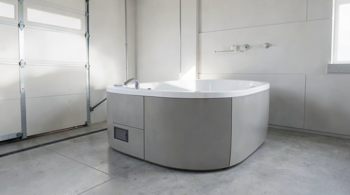
The consumer market for cold plunge tubs is segmented by technology, ranging from basic insulated vessels to high-end units with mechanical chillers. Mechanical chillers provide the most stable, reproducible environment by maintaining a set temperature indefinitely without the need for constant ice replenishment 5. Research and market projections indicate a significant growth trend in this sector, as consumers increasingly seek permanent, set-and-forget solutions for home-based recovery routines 7. Prices for these systems generally range from $400 for entry-level setups to over $10,000 for professional-grade, high-capacity systems with integrated sanitation features 1, 9.
When evaluating hardware options, users should prioritize factors like temperature range, water circulation, and filtration efficacy. Premium models often include ozone generators and 30-micron filters, which significantly reduce the chemical maintenance requirements typically associated with standing water systems 8, 9. Conversely, budget-friendly options, such as chest freezers modified for water retention or stock tanks, require manual ice management and frequent water changes. While these DIY options can provide the same temperature conditions as expensive commercial units, they lack the convenience and temperature stability provided by built-in refrigeration systems 5, 6.
Safety, Contraindications, and Risk Mitigation
Despite the therapeutic potential of cold immersion, the practice presents inherent risks that necessitate medical oversight. The immediate shock of cold water triggers the sympathetic nervous system, causing an immediate increase in heart rate and blood pressure 11. This physiological load can be dangerous for individuals with underlying cardiovascular conditions, including high blood pressure or known heart disease 7. It is a standard medical recommendation that anyone with a history of heart-related issues should consult a physician before incorporating cold therapy into their routine 7.
Furthermore, cold shock response is a well-documented phenomenon that can affect even healthy individuals. It often manifests as a sudden, involuntary gasping for air, which poses a significant risk if the user is submerged in deep water without proper support or supervision 12. Proper setup, including secure footing, reachable entry points, and controlled water depth, is critical. Users should always prioritize safety by monitoring their physical symptoms closely and ceasing immersion if they experience signs of numbness, extreme shivering, or lightheadedness, which can indicate that the thermal stress is exceeding the body's capacity to compensate 2.
Integration with Complementary Recovery Modalities
Cold plunge therapy is frequently combined with other recovery tools to create a comprehensive wellness approach. Contrast therapy, which involves cycling between extreme cold and heat, is a common practice that leverages both vasoconstriction and vasodilation to improve circulation and reduce inflammatory markers 11. Many clinical-grade facilities pair cold plunges with infrared saunas, which operate at temperatures around 160°F to further stimulate blood flow and deep-tissue recovery after the initial cold exposure 11.
While cold plunges target acute inflammation through thermal modulation, they are often used alongside other recovery protocols like red light therapy and nutritional interventions to manage chronic systemic inflammation. The goal of this integrated approach is not to eliminate all inflammatory responses, but rather to optimize the recovery cascade so that the body can repair muscle tissue and reduce perceived soreness more efficiently 4, 11. Consistent, moderate application of these therapies within a structured routine appears to offer the best results for both athletic performance and general physical health 7.
Maintenance and Long-Term Practicality
The long-term sustainability of cold plunge therapy is largely dependent on the ease of maintenance. Units with integrated chillers require regular filter cleaning, typically every two to four weeks, and complete water changes every four to eight weeks, depending on usage frequency and the quality of the sanitation system 5. Without adequate filtration, these tubs can quickly accumulate organic waste and bacteria, making consistent water quality management a vital component of the practice 8.
For those considering an investment in dedicated hardware, the primary indicator of value is consistent daily usage. Research suggests that the most successful users are those who treat cold plunging as a routine habit rather than an occasional activity 1. By removing the friction points associated with traditional ice baths-such as planning for ice procurement and the labor of filling or draining the vessel-chiller-equipped units tend to foster higher rates of adherence over time. Conversely, individuals who are unsure of their long-term commitment may find lower-cost, manual options to be a more practical starting point for exploring the potential benefits of cold-water therapy 6, 9.
Sources
- RecoveryStack: Cold Plunge Therapy at Home (2026)
- HomeSaunaLab: Cold Plunge for Inflammation Reduction (2025)
- Cleveland Clinic: Cold Plunge Benefits
- Dr. Diana Rangaves: Understanding Exercise-Induced Inflammation (2026)
- HomePlunge: The Complete 2026 Guide (2026)
- RecoveryStack: Plunge Cold Tub Review (2026)
- The DailyMoss: Cold Plunge for Inflammation (2026)
- Freak Naturals: Plunge Cold Tub Review (2026)
- IceColdTubs: Plunge Review (2026)
- National Institutes of Health (NIH): Inflammation Research
- Bespoke Aesthetics: Cold Plunge Therapy Information (2026)
- American Heart Association: Cold Plunges and Safety (2023)
Authored by MistyMountainView team