Effective ways to manage bloating symptoms naturally: A guide to evidence-based digestive health strategies
Understanding the Nature of Bloating
Bloating is a frequently reported digestive concern, characterized by a subjective feeling of abdominal fullness, pressure, or tightness 1. It is often accompanied by visible swelling of the abdomen, though this is not always present 4. Research indicates that between 15% and 30% of the general population experiences bloating regularly 6. While mild, transient bloating is often a natural byproduct of gut bacteria fermenting undigested carbohydrates, chronic or severe bloating may indicate underlying issues such as food intolerances, small intestinal bacterial overgrowth (SIBO), or irritable bowel syndrome (IBS) 1, 3.
It is important to differentiate between normal digestive variations and persistent symptoms that warrant professional evaluation. Healthy digestion typically involves some minor abdominal expansion throughout the day; however, if bloating occurs most days regardless of diet, or is accompanied by red-flag symptoms like unexplained weight loss, blood in the stool, persistent vomiting, or major bowel habit changes, clinical assessment is recommended 1, 10. Identifying individual triggers, such as specific food groups or stress patterns, remains a cornerstone of effective management 1, 2.
Dietary Strategies for Reducing Gas Accumulation
Dietary modification is often the first line of approach for managing bloating naturally. Many individuals find success by adopting a low-FODMAP diet, which involves limiting specific fermentable carbohydrates that can trigger gas production in sensitive individuals 3, 7. Working with a registered dietitian to identify these triggers can prevent unnecessary dietary restrictions while targeting the source of the discomfort 1. Increasing dietary fiber is beneficial for many, but it must be done gradually to allow the digestive system to adjust, as sudden spikes in fiber intake can exacerbate gas and pressure 8.
Hydration also plays a critical role in maintaining efficient bowel function and preventing constipation, which is a frequent contributor to bloating 2, 9. Furthermore, certain dietary habits directly impact the amount of air ingested. Carbonated beverages and the use of drinking straws are common sources of excess air, a phenomenon known as aerophagia 2, 10. By minimizing these inputs and focusing on gentle, easy-to-digest foods, individuals may observe a reduction in the severity of their symptoms 5, 8.
Behavioral Modifications and Mindful Eating
How an individual consumes food can be as significant as what they consume. Eating too quickly often leads to increased air swallowing, which manifests as abdominal distension later in the day 1, 2. Practicing mindful eating, specifically chewing food thoroughly and eating in a calm environment, can significantly reduce the volume of air entering the digestive tract 6. Furthermore, consistent meal timing and recognizing individual hunger cues are effective strategies for supporting overall digestive motility 4.
- Chew food slowly to reduce the ingestion of excess air.
- Avoid using straws for beverages to minimize aerophagia 10.
- Maintain a consistent eating schedule to support regular bowel activity.
- Keep a food and symptom journal to identify personal dietary triggers 1.
Incorporating Evidence-Based Natural Aids
Several botanical and supplement interventions have shown potential in providing symptomatic relief from bloating. Enteric-coated peppermint oil is one of the most cited natural remedies, as it helps relax the smooth muscles of the digestive tract, potentially easing gas passage 7, 11. Ginger is another common botanical aid, frequently noted for its ability to support stomach emptying and reduce overall digestive distress 13. Fennel seeds have also been used traditionally to mitigate cramping and gas, serving as a mild, accessible carminative 12.
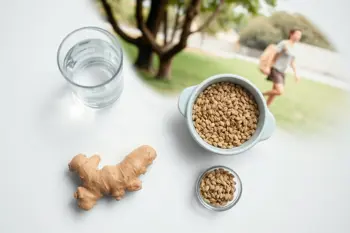
Probiotics represent another area of interest for gut health management. Specific strains, such as *Bifidobacterium* and *Lactobacillus*, may help balance the gut microbiota and improve symptom profiles in some individuals, particularly those with IBS 7, 12. While these supplements can be helpful, their effectiveness varies significantly between users depending on the underlying cause of their bloating, underscoring the importance of selecting interventions based on individual health needs rather than generalized trends 5.
Physical Activity and Lifestyle Approaches
Lifestyle factors, including stress management and physical activity, are essential components of a 360-degree approach to gut health. Gentle movement, such as taking a 10 to 15-minute walk after meals, can stimulate gut motility and assist in the physical movement of trapped gas through the intestines 7, 12. In addition to movement, yoga or targeted abdominal massage can sometimes help in relieving pressure for those dealing with episodic bloating 9. Managing stress is also paramount, as the gut-brain axis significantly influences digestive function; high stress levels are frequently cited as a driver of increased abdominal sensitivity and bloating 1, 2.
| Lifestyle Intervention | Potential Mechanism |
|---|---|
| Post-meal walking | Stimulates motility and gas transit 12 |
| Heat application | Relaxes abdominal muscles for comfort 7 |
| Stress management | Modulates the gut-brain axis sensitivity 2 |
When to Seek Professional Guidance
While many natural strategies are safe and effective for temporary or mild bloating, they are not a substitute for medical diagnosis when symptoms persist. Persistent bloating, particularly when combined with unintentional weight loss, anemia, difficulty swallowing, or changes in bowel habits, requires a formal evaluation by a gastroenterologist or primary care physician 4, 9. Distinguishing between physiological digestive variations and potential conditions like celiac disease or inflammatory bowel disease is critical for long-term health 3. Effective, evidence-based care usually involves integrating these natural lifestyle habits with medical testing to ensure that the root cause is being adequately addressed.
Sources
- Canadian Digestive Health Foundation: Dietitian-Approved Strategies to Help Reduce Bloating
- Acibadem Hospitals Group: Debloat: What Helps Reduce Bloating Safely
- Superpower: How to Reduce Bloating: Causes and Evidence-Based Approaches
- Manipal Hospitals: Bloating Symptoms and Remedies: How to Avoid and Reduce Bloating Naturally
- Acibadem Hospitals Group: Bloating Treatment Over The Counter Guide
- WellnessZing: How to Reduce Bloating Naturally: 10 Science-Backed Strategies
- Healthline: 11 Ways to Reduce Bloating
- National Health Service (UK): How to get more fibre into your diet
- Verdant Wellness: Natural Bloating Remedies That Work
- National Institute of Diabetes and Digestive and Kidney Diseases: Gas in the Digestive Tract
- Walton Surgery: Natural Remedies for Bloating and Gas UK
- WebMD: Slideshow: Reasons for Bloating
- Mayo Clinic: Gas and Gas Pains: Diagnosis and Treatment
Authored by MistyMountainView team