Early warning signs of nerve damage in the feet: A clinical overview of peripheral neuropathy indicators
Understanding Peripheral Neuropathy and Nerve Damage
Peripheral neuropathy occurs when the nerves outside the brain and spinal cord, known as peripheral nerves, experience damage or impairment 1. These nerves are responsible for transmitting sensory information such as touch, temperature, and pain from the skin to the central nervous system, while also controlling muscle movement and regulating autonomic functions like blood pressure and sweating 2. When communication between the feet and the brain is disrupted, it manifests as a variety of physical sensations and functional deficits 8. In the United Kingdom, it is estimated that approximately one in ten individuals aged 55 or older are affected by this condition 2.
Clinical evidence suggests that symptoms often progress in a specific pattern, frequently described as a stocking-glove distribution 9. This means that early warning signs typically begin at the tips of the toes and gradually spread upward into the feet and legs, and in some cases, the hands and arms 3. Because these symptoms can develop slowly, they are sometimes disregarded as part of the natural aging process or mistaken for other minor ailments, which can delay formal diagnostic evaluation and intervention 7.
Common Sensory Indicators and Pain Patterns
The earliest manifestations of nerve damage are often sensory in nature. Patients frequently report a prickling or tingling sensation, commonly described as pins and needles, which may appear intermittently at first and become more pronounced during nighttime hours 2, 7. Another hallmark indicator is a burning or sharp, jabbing pain that can make even light contact with objects, such as bedsheets, feel intensely painful or uncomfortable; this hypersensitivity is clinically referred to as allodynia 2, 8.
Beyond active pain, a diminished ability to perceive sensations is a significant concern. Numbness or a reduced capacity to detect changes in temperature can prevent individuals from feeling minor injuries, such as cuts, blisters, or sores on the feet 2, 6. Because these wounds may go unnoticed, they carry a high risk of developing secondary infections if not properly managed 6. Healthcare providers emphasize the importance of monitoring feet regularly for these tactile changes to mitigate the risks associated with loss of protective sensation 8.
Motor Nerve Impairment and Balance Changes
Motor neuropathy occurs when nerve damage impacts the pathways responsible for muscle control 2. As these signals become erratic or cease to reach their target muscles, individuals may experience muscle weakness, twitching, or cramping in the lower extremities 2. These physical changes can significantly influence an individual’s gait and balance, leading to an increased frequency of trips or falls 3. Furthermore, progressive motor nerve damage may result in visible muscle atrophy or thinning, specifically in the smaller muscles of the feet 2.
Clinical observation of these motor changes involves assessing power, reflexes, and coordination during neurological examinations 9. Specialized challenges, such as foot drop-where lifting the front part of the foot becomes difficult-are clear indicators that motor nerve pathways are being impacted 2. Addressing these symptoms early is essential, as the loss of stability and muscle tone can have long-term consequences on mobility and the overall physical independence of the patient 3.
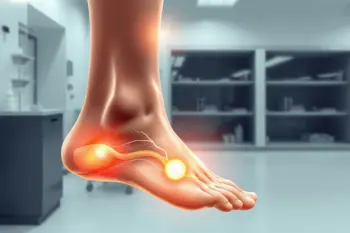
Autonomic Symptoms and Physical Skin Changes
Peripheral neuropathy can also affect autonomic nerves, which control involuntary bodily functions. Damage to these nerves may disrupt the body’s ability to regulate sweat and produce natural oils, leading to chronic dryness and cracking of the skin on the feet 6. Such skin changes are not merely cosmetic; they represent a breakdown in the protective barrier of the skin, further increasing the susceptibility to infection and ulceration when combined with a reduced sense of pain 6.
Other indicators of autonomic dysfunction in the lower extremities include changes in skin color or temperature regulation, and in some instances, hair loss on the toes 6. While these visible symptoms may seem disparate, they are often linked to impaired nerve function affecting local blood flow and moisture management. Monitoring these external physical signs provides a broader diagnostic picture for healthcare professionals assessing potential nerve damage 9.
Diagnostic Considerations and Risk Factors
Identifying the root cause of neuropathy is a primary objective of clinical assessment. Diabetes stands as the most prominent risk factor for peripheral nerve damage, with estimates suggesting that up to half of all individuals with diabetes will eventually develop some form of peripheral neuropathy 3. However, other potential causes include vitamin B12 deficiency, thyroid disease, renal impairment, alcohol use disorder, exposure to toxins, and certain medication side effects such as those from chemotherapy 1, 9.
Diagnostic protocols typically involve a thorough review of medical history, a physical and neurological examination, and a series of baseline tests. These tests may include blood glucose monitoring, renal and thyroid function assessments, and screenings for nutritional deficiencies 9. Because the condition can have multiple systemic triggers, clinicians often avoid rushing to a single diagnosis without first exploring these reversible or manageable causes 9.
Clinical Management and When to Seek Assessment
Clinical guidance emphasizes that urgent neurological assessment is required if symptoms are rapidly progressive, associated with significant weakness, or if they impact sphincter control or balance 9. Managing nerve damage often involves a combination of treating the underlying condition and addressing the symptoms themselves through clinical care 5. The goal of treatment is to alleviate pain, improve quality of life, and prevent further complications like infection or severe physical disability 5, 9.
Patients who notice the onset of tingling, burning, or unexplained numbness are generally encouraged to seek professional evaluation rather than assuming the symptoms are temporary. Early detection remains the most effective strategy for managing neuropathy, as it allows for the implementation of therapeutic plans that may stabilize nerve health and protect the feet from permanent injury 8.
Sources
- Mayo Clinic - Peripheral neuropathy symptoms and causes
- NHS Inform - Peripheral neuropathy clinical overview
- NIDDK - Peripheral neuropathy in diabetes
- Cleveland Clinic - Peripheral neuropathy definitions and care
- Penn Medicine - Neurological care and symptoms
- USZ - Polyneuropathy disease characteristics
- Total Foot and Ankle of Tampa Bay - Early warning signs
- Clover Podiatry - Indicators of foot nerve damage
- Iatrox - NICE guidelines for sensory neuropathy
- New Promise Neuropathy - Symptom profile analysis
Authored by MistyMountainView team