Warning signs of kidney stones: An analytical guide to clinical indicators and medical observation
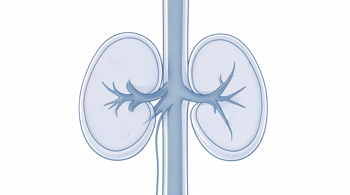
Kidney stones, medically termed nephrolithiasis or urolithiasis, represent solid, pebble-like accumulations of mineral salts that form within the kidneys 2, 5. While these deposits may exist without causing immediate physiological disruption, their movement into the ureter-the narrow channel connecting the kidney to the bladder-frequently results in significant physical distress 2, 3. Understanding the clinical warning signs is critical for determining when these conditions require evaluation by a healthcare professional, as symptoms often mirror other urological issues 1.
Defining the Clinical Presentation of Renal Colic
The hallmark symptom of a kidney stone is often intense, sharp pain, typically described as renal colic 6. This sensation usually initiates in the back or side, specifically below the ribs, and may fluctuate in intensity, manifesting in distinct waves rather than as a constant ache 3, 9. As the stone progresses through the urinary tract, this discomfort often migrates toward the lower abdomen or the groin region 1, 9. Clinicians note that while the stone remains within the kidney, it may be asymptomatic; the onset of severe pain typically signals that a blockage has occurred within the ureter 3, 10.
Urinary Changes as Diagnostic Indicators
Changes in urinary patterns and characteristics serve as primary diagnostic signals for individuals experiencing nephrolithiasis. Hematuria, or the presence of blood in the urine, is a frequent observation, which may cause the urine to appear pink, red, or brown 1, 8. Patients may also report an increased frequency of urination or a persistent, urgent need to urinate, even when the bladder is not full 1, 10. Furthermore, if a stone causes a partial or total obstruction, an individual might experience painful urination or find themselves unable to pass more than a negligible amount of fluid 1, 4.
Systemic Symptoms and Secondary Complications
Beyond localized pain and urinary adjustments, kidney stones can trigger a systemic reaction that includes nausea and vomiting 1, 9. The presence of fever and chills alongside these symptoms is clinically significant, as these markers may indicate that an infection has developed in conjunction with the obstruction 3, 8. When urine flow is impaired, bacteria have an increased potential to multiply, which poses a greater risk of secondary infection and necessitates immediate diagnostic oversight 8.
Risk Factors and Biological Composition
The formation of kidney stones is tied to high concentrations of specific substances in the urine, primarily calcium, oxalate, and phosphorus 1, 4. Calcium oxalate stones represent the most prevalent variety, often influenced by low urinary volume, dietary choices, or inherited metabolic factors 2, 4. Other types, such as struvite stones, are commonly associated with chronic urinary tract infections, while uric acid stones may develop in individuals with high uric acid levels, such as those with gout or certain oncological conditions 2, 4.
Clinical Evaluation and Thresholds for Care
Not all kidney stones require aggressive surgical intervention, as many smaller deposits are passed through the urinary system naturally 2, 5. However, certain red flags demand prompt medical attention, including uncontrollable pain, persistent vomiting, high fever, or complete anuria, which is the inability to urinate 3, 9. Professional diagnosis typically involves a comprehensive review of medical history, accompanied by imaging studies and laboratory tests to confirm the stone's presence and assess the risk of complications such as kidney damage or systemic sepsis 6, 10.
Epidemiological Trends and Prevalence
Nephrolithiasis affects a significant portion of the population, with lifetime prevalence rates reaching approximately 11% among men and 7% among women in developed nations 6. The incidence of this condition has demonstrated a consistent upward trajectory over the past four decades, with genetic predisposition playing a substantial role, as indicated by a heritability estimate of approximately 45% 6. Recurrence remains a clinical concern, with studies indicating that patients may face a recurrence rate of approximately 50% within ten years of the initial presentation if the underlying metabolic triggers are not managed 6.
Sources
- National Institute of Diabetes and Digestive and Kidney Diseases: https://www.niddk.nih.gov/health-information/urologic-diseases/kidney-stones/symptoms-causes
- Harvard Health: https://www.health.harvard.edu/kidney-and-urinary-health/kidney-stones-a-to-z
- Cedars-Sinai: https://www.cedars-sinai.org/stories-and-insights/expert-advice/kidney-stones
- Penn Medicine: https://www.pennmedicine.org/conditions/kidney-stones
- NIDDK Definition & Facts: https://www.niddk.nih.gov/health-information/urologic-diseases/kidney-stones/definition-facts
- NCBI Bookshelf (Endotext - Nephrolithiasis): https://www.ncbi.nlm.nih.gov/books/NBK279069/
- AARP: https://www.aarp.org/health/conditions-treatments/warning-signs-of-kidney-stones/
- Health.com: https://www.health.com/kidney-stones-symptoms-7486926
- Acibadem Hospitals Group: https://acibademinternational.com/health-library/signs-of-kidney-stones-explained-common-triggers-and-red-flags/
- NCBI Bookshelf (Endotext - Kidney Stone Emergencies): https://www.ncbi.nlm.nih.gov/books/NBK278956/
Authored by MistyMountainView team