Early symptoms of Endometriosis you should know: A clinical guide to warning patterns
Early symptoms of endometriosis you should know include period pain that is severe, worsening, or disruptive, along with pelvic, bowel, bladder, sexual, bleeding, fatigue, and fertility-related changes. Symptoms may follow the menstrual cycle or occur between periods, and some people have few or no symptoms, so patterns matter more than any single complaint. 1
What endometriosis is and why early signs matter
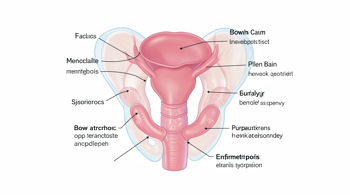
Endometriosis occurs when tissue similar to the lining of the uterus grows outside the uterine cavity, commonly on pelvic structures such as the ovaries, fallopian tubes, ligaments, and peritoneum. The tissue responds to hormonal cycles and can contribute to inflammation, scarring, adhesions, and ovarian cysts. Symptoms depend partly on where the implants are located, rather than on one universal pattern. 1
The condition can begin during adolescence or later in the reproductive years, and symptoms may be cyclical, persistent, or irregular. A person may experience substantial pain with limited visible disease, while another may have extensive disease discovered during an infertility evaluation or another procedure. Pain severity does not reliably indicate disease stage. 2
Severe or changing menstrual pain
The most recognized early warning sign is dysmenorrhea, or painful menstruation, that feels substantially worse than expected or interferes with ordinary activities. Endometriosis-related pain may start before bleeding, continue for several days, involve the abdomen, pelvis, or lower back, and feel cramping, stabbing, aching, or heavy. Pain that progressively intensifies across cycles deserves clinical attention. 3
Common menstrual discomfort is not automatically endometriosis, and pain alone cannot confirm the diagnosis. However, repeated episodes that cause missed school or work, restrict movement, disturb sleep, or do not respond adequately to usual measures form a clinically important pattern. Adolescents with disabling period pain or repeated school absence may warrant assessment for endometriosis. 6
Pelvic pain and pain during sex
Pelvic pain can occur before or during menstruation, but it may also persist between periods. It can be localized to one side, diffuse across the lower abdomen, or felt as pressure, aching, or stabbing discomfort. Chronic pelvic pain is among the recognized manifestations of endometriosis, although other gynecologic, gastrointestinal, urinary, and musculoskeletal conditions can cause similar symptoms. 1
Deep pain during or after vaginal intercourse is another recognized symptom, particularly when the pain is felt within the pelvis rather than at the external genital area. Repeated pain with penetration should not be dismissed as an unavoidable menstrual feature. The timing, depth, duration, and relationship to the cycle can help a clinician distinguish a recurring pattern from an isolated episode. 2
Bowel symptoms around menstruation
Endometriosis can affect or irritate structures near the bowel, producing painful bowel movements, rectal pain, constipation, diarrhea, nausea, or abdominal bloating. These symptoms may become more noticeable before or during menstruation, although some people report gastrointestinal problems outside the menstrual period as well. Cyclical bowel pain is particularly important to document because it can resemble irritable bowel syndrome or other digestive conditions. 2
Changes in bowel habits do not establish an endometriosis diagnosis, and digestive symptoms may have multiple causes. A useful symptom record can include the date of bleeding, stool changes, pain during defecation, bloating, nausea, and whether symptoms improve after menstruation. Rectal or bowel pain that repeatedly follows the cycle, especially alongside severe cramps or pelvic pain, provides a stronger reason for gynecologic evaluation. 5
Urinary symptoms and unusual bleeding
When endometriosis involves the bladder or urinary tract, possible symptoms include painful urination, urinary urgency, and, in some cases, blood in the urine. Urinary discomfort may follow a cyclical pattern and can be mistaken for repeated urinary infection. New, recurrent, or menstruation-linked urinary symptoms require assessment because bladder and urinary conditions can also produce pain or bleeding. 4
Heavy menstrual bleeding, abnormal bleeding, or bleeding between periods may accompany endometriosis, but bleeding patterns vary widely. Some people have heavy flow without endometriosis, while others with endometriosis may not have unusually heavy bleeding. Recording how often pads or tampons require changing, the duration of bleeding, spotting between periods, and associated pain can give a clinician more useful context than describing flow as simply heavy. 1
Fatigue, fertility concerns, and less obvious presentations
Fatigue, nausea, abdominal bloating, constipation, and diarrhea may accompany endometriosis-related inflammation and pain, particularly around menstruation. These symptoms can overlap with several other conditions, which is one reason diagnosis may be delayed. Some research summaries report that many cases are initially attributed to other physical or mental health problems, making a consistent symptom history important when complaints persist. 4
Difficulty becoming pregnant may be the first noticeable sign for some people, because endometriosis can affect pelvic organs and fertility. Conversely, some people have no obvious symptoms and are diagnosed during an infertility evaluation or an unrelated procedure. A clinical diagnosis may be based on characteristic symptoms and examination findings, with ultrasound or MRI sometimes supporting evaluation; laparoscopy is not always required before treatment begins. 1
When evaluation is appropriate
Persistent, worsening, or activity-limiting pelvic pain should be discussed with a healthcare professional, especially when it occurs with painful periods, deep pain during sex, painful bowel movements, urinary symptoms, abnormal bleeding, or difficulty conceiving. Symptoms overlap with ovarian cysts, irritable bowel syndrome, pelvic inflammatory disease, and other disorders, so self-diagnosis is unreliable. A normal initial examination or imaging result does not necessarily explain away ongoing symptoms. 4
Before an appointment, tracking symptoms across several cycles can clarify whether pain or digestive and urinary changes are linked to menstruation. Relevant details include onset, location, severity, duration, missed activities, medications tried, bowel and bladder symptoms, sexual pain, bleeding changes, and fertility history. Endometriosis is chronic, symptoms vary substantially, and disease severity cannot be judged from pain intensity alone, so evaluation should be based on the overall pattern. 6
Sources
- Merck Manual Professional Edition, Endometriosis
- Cleveland Clinic, What It Feels Like to Have Endometriosis
- nib, Endometriosis 101: Signs & Symptoms
- American College of Obstetricians and Gynecologists, Endometriosis
- Mayo Clinic, Endometriosis: Symptoms and Causes
- World Health Organization, Endometriosis Fact Sheet
Authored by MistyMountainView team