Explore the Mediterranean on a 10-day voyage: Routes, Ports, and Practical Planning
To explore the Mediterranean on a 10-day voyage is to combine several distinct travel regions in one sea journey, with itineraries commonly linking Western ports such as Barcelona, Cannes, and Italian destinations, or Eastern ports associated with Greece, Croatia, and Turkey. Documented examples also include Malta, Tunisia, Sicily, and the Greek islands, creating a concentrated itinerary shaped by port distance, shore-excursion timing, and the balance between historic cities and sea days. 1
How 10-day Mediterranean routes are structured
Most 10-day Mediterranean cruises follow a Western or Eastern pattern. Western routes generally connect Spain, France, and Italy, while Eastern routes emphasize Greece, Croatia, and Turkey. A documented Barcelona-to-Athens itinerary operated by Virgin Voyages includes Cannes, La Spezia, Valletta, Souda Bay, Chania, and Mykonos, with seven named stops and sea time included in the voyage structure. 1
Other itineraries broaden the geographic mix rather than following one subregion. Explora Journeys describes a 10-day voyage aboard EXPLORA II featuring Naples, Siracusa, Valletta, Tunis, and Palermo, while Viking’s Icons of the Mediterranean links Tarragona, Marseille, Livorno, Civitavecchia, Naples, Messina, Heraklion, and Piraeus. These examples show that “10-day” can mean different combinations of ports, distances, and cultural themes. 2
Departure ports and arrival planning
Barcelona, Rome through Civitavecchia, and Athens through Piraeus are among the principal gateways for Mediterranean cruises. Barcelona is a common embarkation point for Western Mediterranean voyages, while Athens serves as a major hub for Greek Island and Eastern Mediterranean itineraries. Civitavecchia is the maritime gateway for Rome, but the port is approximately 80 kilometers, or 50 miles, from the city center. 3
Embarkation logistics can materially affect the first and final days. A Rome departure requires planning the transfer between the airport, central Rome, and Civitavecchia, whereas Barcelona departures allow access to landmarks such as Las Ramblas, the Gothic Quarter, and La Boqueria before sailing when schedules permit. Pre-cruise hotel arrangements are also used by some cruise lines to reduce the consequences of flight disruption on departure day. 4
Ports that emphasize history and culture
The principal appeal of these voyages is the density of historical sites within a relatively short period. Naples provides access to the city’s historic center, Neapolitan culinary traditions, Mount Vesuvius, and Pompeii. Civitavecchia provides access to Rome’s Forum, Colosseum, Sistine Chapel, Trevi Fountain, and Spanish Steps. Livorno is used for excursions to Florence, Pisa, and the Tuscan countryside, although inland travel consumes part of the available port day. 5
Malta and Sicily add a different cultural layer. Valletta’s entire capital area is described as UNESCO World Heritage listed, with features including Saint Elmo, the Tritons’ Fountain, narrow stairways, and historic buildings. Palermo combines Arab and Norman influences, busy markets, baroque architecture, and possible excursions to Erice or Segesta. Siracusa, Messina, and Trapani extend the itinerary into Sicilian history, while Tunis introduces North African markets and heritage. 6
Seasonality, weather, and onboard rhythm
The peak Mediterranean cruising season generally runs from May through September. Summer conditions are commonly warm, with average temperatures described in the range of 75°F to 90°F, or 24°C to 32°C. Light, breathable clothing is appropriate for hot coastal days, but varied conditions remain possible between humid waterfronts and hotter inland sites. Shore days can therefore require both sun protection and adaptable clothing. 7
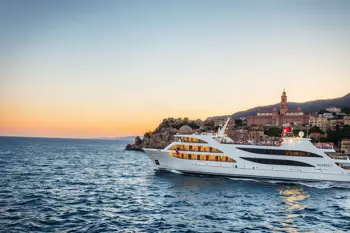
Shoulder-season voyages can provide cooler conditions, lower humidity, and smaller crowds at major landmarks compared with the busiest summer period. The trade-off is that daylight, swimming conditions, and operating schedules may differ from midsummer patterns. A July 2026 itinerary aboard Mein Schiff Flow, for example, is scheduled for 10 nights from Palma de Mallorca and includes seven ports plus two sea days, illustrating how a voyage’s pace is shaped by both destination time and recovery time at sea. 8
Shore excursions and physical demands
Many major attractions are not located directly beside the cruise terminal. UNESCO-listed sites, ancient ruins, and inland capitals often require organized excursions or independent transport. Comfortable, broken-in footwear is important because visits may involve uneven paving, archaeological grounds, steep streets, staircases, and extended walking. The distance from port to attraction should be assessed alongside the advertised sightseeing duration. 9
Port calls also involve fixed return times, making transport reliability a central risk. Florence from Livorno, Rome from Civitavecchia, and Pompeii from Naples can require substantial overland travel, while Cannes uses offshore anchoring and tenders rather than a berth directly beside the city. Independent plans need contingency time for traffic, tender queues, weather, and changing port procedures. 10
Costs, currencies, and practical constraints
Published examples demonstrate that itinerary duration, ship, departure city, and booking market can produce materially different fare structures. A Global Journeys listing gives an indicative starting figure of A$2,743 per person for a 10-night Barcelona-to-Athens Virgin Voyages itinerary, while an Oceania itinerary from Rome to Barcelona is listed from A$2,866 per person. These figures are historical listings rather than live availability and should not be treated as universal market rates. 11
The euro is used across much of the region, although currency arrangements vary in destinations outside the euro area. Visa requirements also depend on nationality and itinerary. The U.S. Department of State states that U.S. citizens can enter the Schengen Area for short-term tourism for up to 90 days within a 180-day period without a visa, but travelers should verify current requirements for every country visited, particularly where the route includes non-Schengen destinations such as Tunisia or Turkey. 12
Comparing voyage styles and trade-offs
Ship scale and onboard design influence the experience as much as the port sequence. The listed Virgin Voyages itinerary uses Valiant Lady, shown with capacity for 2,770 passengers and 1,150 crew, while Oceania Marina is listed with 1,250 passengers and 800 crew. Viking’s description emphasizes destination-focused exploration, expert lectures, gourmet dining, and verandas. These differences indicate that travelers should compare port time, ship size, enrichment, dining structure, and sea-day activities rather than relying only on destination names. 13
A 10-day voyage is efficient for sampling several countries, but it cannot provide the same depth as a land-based journey concentrated in one region. Sea days create rest periods, yet short calls may limit museum visits, evening events, or independent exploration. High-speed rail can support additional land-based days before or after sailing, particularly around Mediterranean cities connected to major rail networks. The central planning question is whether breadth or longer stays better matches the intended travel experience. 14
Sources
- Cruise Critic, “Mediterranean Cruise Itineraries,” https://www.cruisecritic.com/articles/mediterranean-cruise-itineraries
- Crui.se, “A Journey Through the Mediterranean’s Historic Crossroads,” https://www.crui.se/explora-journeys/a-journey-through-the-mediterraneans-historic-crossroads/
- Port de Barcelona, Cruise Information, https://www.portdebarcelona.cat/en/cruises
- Visit Greece, Cruise Inspiration, https://www.visitgreece.gr/inspirations/cruise/
- Global Journeys, “Mediterranean: Barcelona to Athens,” https://www.globaljourneys.com/trip/virgin-voyages-10ntac
- Global Journeys, “Mediterranean,” https://www.globaljourneys.com/trip/msc-uswg
- Lonely Planet, Mediterranean Travel Guidance, https://www.lonelyplanet.com/articles/best-time-to-visit-the-mediterranean
- CruiseCaptain, “10-Night Mediterranean Cruise on Mein Schiff Flow,” https://cruisecaptain.ai/cruise/mediterranean-10night-2026-07-10-tui-cruises-mein-schiff-182-2241935
- UNESCO World Heritage Centre, World Heritage List, https://whc.unesco.org/en/list/
- The Global Journeys itinerary, “Mediterranean: Barcelona to Athens,” https://www.globaljourneys.com/trip/virgin-voyages-10ntac
- Global Journeys, “Mediterranean Isles,” https://www.globaljourneys.com/trip/oceania-cruises-mirbma10
- U.S. Department of State, Schengen Travel Information, https://travel.state.gov/content/travel/en/international-travel/before-you-go/schengen.html
- Crui.se, “Icons of the Mediterranean,” https://www.crui.se/viking-ocean-cruises/icons-of-the-mediterranean/
- Eurail, Mediterranean Rail Planning, https://www.eurail.com/en/plan-your-trip/about-eurail/where-to-go/mediterranean
Authored by MistyMountainView team