Best protein powders for weight loss 2026: An evidence-based consumer analysis
Best protein powders for weight loss 2026 are not fat-burning products; they are convenient ways to increase protein while managing calories. Current 2026 coverage emphasizes formulas that fit an individual’s dietary needs, taste preferences, digestion, and overall eating pattern rather than treating any powder as a magic solution. 1
The relevant question is whether a serving supplies meaningful protein with limited calories, added sugar, fat, and carbohydrate. Protein powder may support fullness and muscle retention during weight reduction, but it still contributes calories and cannot replace a sustainable diet, resistance exercise, sleep, or individualized medical care. 2
What protein powder can contribute to weight loss
Higher-protein diets can support weight management through appetite control and preservation of lean tissue. Protein is associated with greater satiety than carbohydrate or fat, and research summaries describe effects involving hunger-related hormones, including reduced ghrelin and increased satiety signals such as GLP-1 and PYY. These mechanisms may make a calorie deficit easier to maintain, but the powder itself does not independently cause fat loss. 3
Protein is also more costly for the body to digest than other macronutrients, with one evidence summary estimating that 20% to 30% of protein calories are used during digestion. During calorie restriction, sufficient protein combined with resistance training is especially relevant because weight loss can include both fat and muscle. The practical value of a shake is convenience when whole-food protein is unavailable or difficult to consume. 4
Metrics that matter on a nutrition label
The most useful comparison is protein delivered per calorie, not the number of servings in a container. A product providing 25 grams of protein at 110 calories is more calorie-efficient than one providing 30 grams at 180 calories. Added sugar, total carbohydrate, fat, fiber, sodium, serving size, and allergen statements also affect whether a formula fits a person’s daily calorie target. 5
Protein: many weight-management formulas provide approximately 20 to 30 grams per serving.
Calories: products used as concentrated protein sources are commonly evaluated against a threshold of fewer than 150 calories per serving.
Sugar: less than 3 grams per serving is a frequently cited benchmark, although unsweetened products may contain none.
Ingredients: transparent labels make it easier to identify sweeteners, fillers, stimulants, and possible allergens.
Whey, casein, and plant proteins
Whey isolate is often selected when a high protein dose with minimal lactose, fat, and carbohydrate is the priority. Casein digests more slowly and is commonly considered when longer-lasting fullness between meals is important. Plant-based options based on pea, soy, brown rice, or blends can serve people avoiding dairy. When total protein intake is matched, evidence summaries indicate that the source generally has less influence on lean mass and strength than the overall dose. 6
| Protein type | Typical rationale | Key consideration |
|---|---|---|
| Whey isolate | High protein concentration and low lactose | Not suitable for milk allergy and may not suit all dairy-sensitive users |
| Casein | Slower digestion and possible longer satiety | Still dairy-derived |
| Plant blend | Dairy-free option with complementary amino acids | Check the protein amount and blend composition |
Representative products appearing in 2026 comparisons
Published 2026 comparisons identify several products by use case rather than as universal choices. Examples include Optimum Nutrition Gold Standard Whey for general use, Optimum Nutrition Casein for a slower-digesting option, Premier Protein powders for higher protein per serving, Orgain Organic Vegan Protein for plant-based diets, Dymatize ISO100 for a low-calorie whey isolate, Transparent Labs Whey Isolate for a high-protein formula, and Isopure Zero Carb for minimal carbohydrate. 7
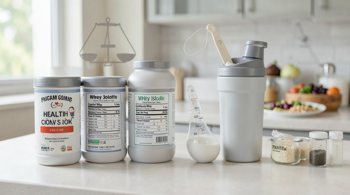
| Product named in research | Reported positioning | Reported label detail |
|---|---|---|
| Optimum Nutrition Gold Standard Whey | General-purpose whey | Named among leading protein powders |
| Optimum Nutrition Casein | Weight-management option | Slow-digesting casein |
| Dymatize ISO100 | Low-calorie isolate | 25 grams protein and fewer than 120 calories in one listed comparison |
| Premier Protein Powder | High-protein serving | 30 grams protein and 1 gram sugar in one listed product |
| Orgain Organic Vegan Protein | Plant-based use | Vegan formula category |
Testing, contaminants, and label scrutiny
Third-party certification is a meaningful quality-control consideration because supplement products can have adulteration or inaccurate labels. NSF Certified for Sport, USP Verified, and Informed Sport are identified in the research as programs that screen products for contaminants or prohibited substances. Certification does not prove that a powder causes weight loss, but it can provide additional information about manufacturing and ingredient verification. 8
Weight-loss-marketed powders require particular caution when they include caffeine, green tea extract, L-carnitine, or other thermogenic ingredients. These additions can change the product from a simple protein supplement into a more complex supplement with potential medication, pregnancy, breastfeeding, or sensitivity considerations. A transparent ingredient panel and serving-size review are more informative than claims about metabolism, rapid results, or targeted fat reduction.
Protein targets and practical use
Research cited in 2026 guidance commonly places protein targets during active weight reduction around 1.6 to 2.2 grams per kilogram of body weight per day for some adults, while broader clinical guidance often uses 1.2 to 1.6 grams per kilogram for preserving lean mass. These ranges are not universal prescriptions. Kidney disease, pregnancy, breastfeeding, allergies, medication use, and clinician-directed protein limits require individualized advice. 9
Distribution can matter as well as the daily total. One cited trial found 24-hour muscle protein synthesis was 25% higher when protein was distributed more evenly across breakfast, lunch, and dinner than when intake was concentrated at dinner. A practical framework described in the research is approximately 25 to 40 grams at each of three or four meals, with powder used only when it helps meet the day’s target without displacing nutrient-dense foods. 10
Limitations and realistic expectations
Protein powder is optional, and the same macronutrient can come from foods such as dairy, eggs, fish, meat, soy, legumes, and other protein-rich choices. A shake can be less filling than a complete meal if it lacks fiber and volume, while flavored products may add sugars, fats, or calories that undermine a calorie deficit. Digestive discomfort, lactose intolerance, milk allergy, and sensitivity to sweeteners are practical reasons to change or avoid a formula.
The strongest interpretation of the evidence is therefore conditional: choose a tested product that supplies an appropriate protein dose, fits dietary restrictions, and remains compatible with total calories. No single brand or protein type is best for everyone, and no powder substitutes for the broader behaviors that determine weight change, including sustained energy balance, resistance exercise, adequate sleep, and clinical supervision when health conditions are present.
Sources
- Fortune, Best Protein Powders for Weight Loss (2026)
- Forbes Health, Doctor Reviewed: Best Protein Powders of 2026
- ProteinMath, Best Protein Powder for Weight Loss in 2026
- FormBlends, Clinical Breakdown of Protein Powder for Weight Loss
- FormBlends, Best Protein Supplement for Weight Loss: What the Evidence Supports
- Weight Loss Rankings, Best Protein Powder for Weight Loss and GLP-1
- Body Muscle Matters, Best Protein Powder for Weight Loss: 10 Expert Picks
- NSF International, Certified Supplements
- EatRight and Weight Loss Rankings, Protein Intake Guidance
- Weight Loss Rankings, Protein Distribution Research Summary
Authored by MistyMountainView team