Natural remedies for diabetes: Evidence, safety, and clinical context
Natural remedies for diabetes are often discussed as ways to support blood sugar control, insulin sensitivity, cholesterol, or diabetes-related symptoms. Current evidence distinguishes food-based habits and physical activity from concentrated herbal supplements, whose effectiveness and safety can vary substantially between studies and products.
What natural diabetes remedies can and cannot do
Type 2 diabetes is a chronic metabolic condition involving elevated blood glucose, insulin resistance, or insufficient insulin production. Its management generally combines medication with dietary and lifestyle changes, rather than relying on a single herb or supplement. A 2026 review in Clinical Phytoscience reported that medicinal plants have been examined through traditional practice, laboratory research, animal studies, and clinical investigations, but the strength of evidence differs across plants and preparations.1
Natural products should therefore be considered complementary options for discussion with a qualified clinician, not substitutes for prescribed treatment or glucose monitoring. The American Diabetes Association cautions that supplements do not replace standard diabetes care, while clinical reporting also notes that over-the-counter products may have inconsistent ingredients, doses, and purity because they are not reviewed like approved medicines.23
Food-based approaches and physical activity
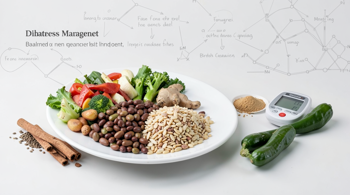
Dietary changes have a more established role than many concentrated supplements. Increasing fiber through vegetables, legumes, and whole grains can support steadier blood glucose patterns, while a plate-based eating structure can help organize portions of carbohydrate-containing foods. Fenugreek is also notable because its seeds contain soluble fiber that may slow carbohydrate digestion and absorption, potentially reducing post-meal glucose rises.45
Physical activity is a primary non-drug intervention because working muscles use glucose and exercise can improve insulin sensitivity. The Centers for Disease Control and Prevention identifies regular activity as a foundational part of diabetes management. Food choices and movement also address related cardiovascular risk factors, including body weight and blood lipid levels, without depending on the uncertain concentration of an herbal capsule.67
Herbs with emerging or mixed evidence
Cinnamon, fenugreek, ginger, curcumin, and saffron have each been studied in people with type 2 diabetes. A systematic review reported potential improvements in fasting blood glucose, HbA1c, insulin sensitivity, or cholesterol for some of these supplements, but it also described limited effects in certain studies. Curcumin, particularly in nano-formulations or when paired with piperine, showed reported reductions in fasting glucose and HbA1c in selected research, although formulations are not interchangeable.8
Ginger supplementation was associated in the review with improvements in fasting glucose, HbA1c, LDL cholesterol, and antioxidant status. Saffron improved fasting glucose and lipid profiles in reported studies, while evidence for moringa was mixed, with some post-meal glucose effects but no consistent overall glycemic improvement. Cinnamon may modestly lower fasting glucose, yet findings remain inconsistent for long-term HbA1c reduction.83
Berberine, bitter melon, and traditional plants
Berberine, found in plants including barberry and goldenseal, has been studied for its effects on blood glucose in type 2 diabetes and may produce clinically meaningful reductions in some trials. However, the existence of glucose-lowering research does not establish that every berberine product has the same dose, absorption, purity, or clinical effect. Concentrated extracts also differ from customary culinary use and require medication review before consideration.93
Bitter melon, neem, garlic, jamun, mango leaf, Gymnema sylvestre, and olive-related preparations appear in traditional medicine and modern research. The 2026 medicinal-plant review described mango leaf extracts as inhibiting alpha-amylase and supporting glucose absorption, while jamun seed extracts showed blood sugar-lowering effects in research. These findings include laboratory, animal, and clinical evidence, so they should not be interpreted as proof of uniform effectiveness in routine care.110
Supplements for deficiency or diabetes complications
Magnesium supplementation may be relevant when a documented deficiency exists, because research has examined whether restoring magnesium status can improve insulin sensitivity. Routine supplementation is not automatically appropriate for every person with diabetes. Chromium picolinate is frequently discussed for blood sugar management, but medical summaries describe its effectiveness as inconclusive, and routine use is not supported for people without a deficiency.1112
Alpha-lipoic acid has been studied mainly for symptoms associated with diabetic neuropathy and may also influence insulin sensitivity. This is different from claiming that it treats the underlying diabetes or prevents every complication. Apple cider vinegar has shown possible improvements in insulin sensitivity or post-meal glucose in small human studies, but the limited scale of that evidence does not establish a standardized dose or long-term safety strategy.1314
Safety, interactions, and practical evaluation
The principal safety issue is additive glucose lowering. Combining an herb such as cinnamon, fenugreek, bitter melon, ginger, or berberine with diabetes medication could increase the risk of low blood sugar, while gastrointestinal effects and product contamination are additional concerns. Product labels may not reliably indicate the actual ingredient quantity, and mixtures containing several herbs make it harder to identify which component caused a benefit or adverse reaction.38
Before using a supplement, relevant factors include diabetes type, current medicines, kidney or liver problems, pregnancy status, allergies, glucose readings, and whether a nutrient deficiency has been confirmed. A clinician or pharmacist can assess interactions and determine whether changes in HbA1c, fasting glucose, post-meal readings, or neuropathy symptoms are meaningful. Prescribed medicines should not be stopped because a plant-based remedy appears to help, and any supplement trial should remain coordinated with ongoing monitoring.23
Sources
- Clinical Phytoscience, Springer Nature: https://link.springer.com/article/10.1186/s40816-026-00418-4
- American Diabetes Association: https://diabetes.org/healthy-living/medication-treatments/herbal-supplements
- Northwell Health: https://thewell.northwell.edu/chronic-diaseases-conditions/diabetes-natural-remedies
- Cleveland Clinic: https://health.clevelandclinic.org/natural-remedies-for-diabetes
- Harvard Health: https://www.health.harvard.edu/diabetes/diabetes-diet-and-the-plate-method
- Centers for Disease Control and Prevention: https://www.cdc.gov/diabetes/managing/active.html
- Medical News Today: https://www.medicalnewstoday.com/articles/oatmeal-avocado-peppermint-oil-type-2-diabetes-recent-evidence-natural-remedies
- The Open Public Health Journal: https://mail.openpublichealthjournal.com/VOLUME/19/ELOCATOR/e18749445441060/FULLTEXT/
- National Institutes of Health: https://www.ncbi.nlm.nih.gov/pmc/articles/PMC2410097/
- Clinical Phytoscience, Springer Nature, medicinal plant findings: https://link.springer.com/article/10.1186/s40816-026-00418-4
- Diabetes Care, magnesium supplementation: https://diabetesjournals.org/care/article/34/9/2116/24227/Magnesium-Supplementation-Improves-Insulin
- WebMD, chromium supplement evidence: https://www.webmd.com/diabetes/supplement-guide-diabetes
- Mayo Clinic, alpha-lipoic acid and diabetic neuropathy: https://www.mayoclinic.org/diseases-conditions/diabetic-neuropathy/expert-answers/alpha-lipoic-acid/faq-20058253
- Healthline, vinegar and diabetes research: https://www.healthline.com/nutrition/apple-cider-vinegar-diabetes
Authored by MistyMountainView team