Best Country Line Dancing Classes Near Me: A Guide to Local Instruction and Social Dance Environments
Finding country line dancing classes near one's location requires an understanding of the varied instructional models available, ranging from formal studio sessions to casual social events held in community spaces 1. The current market features a mix of structured beginner programs designed to build confidence through step-by-step repetition and open-floor social nights that prioritize high-energy practice 2. Prospective dancers often utilize digital platforms to locate sessions that align with their availability, geographic convenience, and preference for either group-based learning or private instruction 3.
Evaluating Instructional Formats
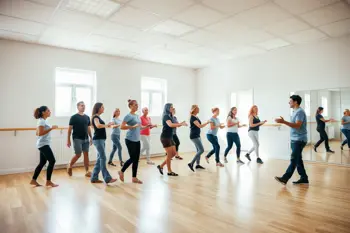
Instructional environments for country line dancing are typically categorized into two primary models: formal dance studio curricula and social, venue-based workshops 4. Formal studios often provide consistent, weekly sessions that focus on foundational technique, smooth transitions, and progressive skill development 5. Conversely, venue-based classes, such as those held in honky-tonks or community centers, often integrate teaching with social music events, providing a more casual atmosphere where attendees learn in a live environment 6. Many programs, such as those offered in professional studio settings, emphasize a progression from beginner-level breakdowns to more advanced choreography as participants gain comfort 7.
Key Considerations for New Participants
One of the primary benefits of country line dancing is its accessibility, as the majority of classes do not require a partner or prior dance experience 8. Instructors typically break down routines into manageable segments, ensuring that participants can learn at a comfortable pace before engaging with the music 9. For individuals new to the activity, searching for classes labeled as beginner-friendly or open-level is recommended to ensure the instructional pace matches their initial skill level 10. Furthermore, confirming whether a session requires advance booking or permits drop-in attendance can help participants manage their expectations regarding capacity and entry requirements 11.
Geographic Trends and Accessibility
The availability of classes varies significantly based on regional interest and the density of local entertainment venues. In regions with a strong history of country-western social activity, it is common to find recurring events that include both instruction and open dance time 12. For example, urban centers often feature specialized classes held in entertainment complexes, while suburban areas may leverage community centers or larger dance institutions like Arthur Murray or Fred Astaire studios to host group sessions 13. Utilizing digital resources allows individuals to filter for specific days of the week or proximity to their location, assisting in the discovery of classes that fit existing social schedules 14.
Financial and Logistical Planning
Investment in line dancing instruction varies by venue and class type. Some social sessions in bar or brewery settings may offer free instruction to encourage community participation, while formal 8-week courses at education centers or private studios may charge a flat fee for the full duration of the program 15. When evaluating costs, it is useful to account for potential add-ons such as venue-specific entry fees, parking logistics, or minimum spend requirements for food and beverages 16. Checking for official liability waivers or age-related entry policies, such as those requiring minors to be accompanied by a guardian, is also a standard administrative requirement for most professional dance establishments 17.
Tools for Local Discovery
Several platforms assist in narrowing down the search for reliable local dance programs. Event discovery websites are particularly useful for finding one-off workshops or recurring series that include specific start and end dates 18. Community-focused social networking platforms are frequently leveraged to organize local groups or informal line-dancing gatherings where peers share information about upcoming events 19. Additionally, general search resources such as business directories provide user-generated reviews that can offer insight into the teaching style, class atmosphere, and instructor professionalism prior to committing to a series of sessions 20.
Setting Realistic Expectations
Successful participation in line dancing often relies on consistency rather than natural aptitude. Classes that incorporate repetition are specifically designed to help the movements stick, and many studios offer resources such as practice hubs or follow-up materials to assist students between sessions 21. It is important to remember that physical health and comfort are priorities; wearing appropriate footwear, such as supportive sneakers, is often encouraged over specialized boots for beginners 22. By approaching the learning process as a cumulative experience, participants can steadily build the confidence necessary to enjoy local events and social outings 23.
Sources
- DF Dance Studio - Country Line Dancing Lessons for Adults in Utah
- Lil Nashville UK - Beginner Line Dancing in London
- Meetup - Country Line Dancing Community Resources
- The Salisbury Center - Country Friday Nights in Manassas, VA
- Eventbrite - Country Line Dancing Class Directory
- Kennesaw State University - Community and Professional Education
- AVL GO - Steppin' Out AVL Line Dance Lessons
- Explore Waterloo - Beginner Line Dancing Classes
- SOBs NYC - Molly & June's Honky Tonk
- Loving Nashville - Country Fusion Dance Lessons
- LetsBatch - Nashville Public Line Dancing
- Yelp - Local Business Listings for Dance
- Arthur Murray Dance Studios - National Studio Network
- Fred Astaire Dance Studios - Instruction Resources
- Country Dance and Song Society - Community Dance Data
- United Country Western Dance Council - Industry Information
- DanceUS - Dance Directory and School Location
- Eventbrite - Online Event Discovery Tools
- Meetup - Event Organization
- Yelp - Consumer Reviews for Dance Venues
- DF Dance Studio - Instructional Methodology
- KSU Center - Program Requirements and Policies
- Turn Their Heads - Dance Training Philosophy
Authored by MistyMountainView team