15 Best Sciatica Pain Clinics in the United States: A National Clinical Evaluation
When searching for the 15 Best Sciatica Pain Clinics in the United States, patients are often attempting to navigate a complex medical landscape in search of relief from debilitating lower back and leg pain. Sciatica represents one of the most distinctive and challenging forms of spinal discomfort, affecting approximately 40% of Americans during their lifetime 2. Identifying a specialized clinic that prioritizes precise diagnostic assessments and customized care is essential for targeting the mechanical or inflammatory root causes of sciatic nerve irritation 15.
Clinical Foundations of Sciatica and Nerve Compression
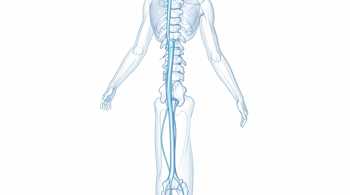
The sciatic nerve is the largest and longest nerve in the human body, originating in the lower lumbar spine, running through the hips and buttocks, and branching down each leg 1. When the nerve roots that form the sciatic nerve, particularly at the L4-L5 or L5-S1 levels, become compressed, it sends sharp, burning, or electric pain along the entire pathway 4. Common triggers include herniated or bulging lumbar discs, spinal stenosis, degenerative disc disease, and piriformis muscle tightness 5.
Because sciatica is a symptom of an underlying structural issue rather than an independent diagnosis, finding the exact point of nerve compression is critical 12. For younger patients, the primary culprit is often a herniated lumbar disc pressing directly on a nerve root, whereas older adults are more frequently diagnosed with lumbar spinal stenosis 14. Accurately localizing the compression prevents misdirected therapies and ensures that targeted treatments address the true source of pain 1.
Non-Surgical and Conservative Care Modalities
The vast majority of sciatica cases, estimated between 80% and 90%, resolve successfully using non-surgical, conservative treatment approaches 2. Standard first-line treatments emphasize physical therapy, active movement, and targeted stretching to strengthen core and hip muscles, reducing mechanical pressure on the spine 14. Clinical protocols, such as the McKenzie-style directional preference assessment, help physical therapists identify which specific movements alleviate disc and nerve irritation to create highly individualized rehabilitation programs 15.
In addition to physical therapy, chiropractic care represents another common non-invasive approach for managing mechanical spine issues 3. Utilizing spinal adjustments and non-surgical decompression therapy, chiropractors focus on reducing nerve irritation and restoring normal joint mobility without pharmaceuticals 13. Clinical trials demonstrate that structured, conservative interventions consistently improve weight-bearing tolerance, functional mobility, and sleep quality in acute sciatica patients within six to twelve weeks 12.
Advanced Interventional Pain Management Options
When conservative measures like physical therapy fail to yield sufficient improvement after several weeks, interventional pain management provides next-step solutions 15. Transforaminal epidural steroid injections are widely utilized to deliver powerful anti-inflammatory medication directly to the site of nerve compression, providing substantial pain relief that can last up to 12 months for disc-related radiculopathy 12. Board-certified pain specialists perform these targeted injections under fluoroscopic guidance to optimize safety and precision 1.
For persistent cases that do not respond to injections, modern clinics offer advanced therapies including radiofrequency ablation, pulsed radiofrequency, and neuromodulation 12. Peripheral nerve stimulation and spinal cord stimulation are also valuable options that modulate pain signals before they reach the brain, helping chronic sufferers regain daily function without undergoing open spine surgery 12. These procedures present viable alternatives for complex patients who have exhausted basic clinical pathways 7.
Analytical Comparison of Leading US Sciatica Clinics
To assist patients in evaluating treatment options across the country, the following comparison table presents an objective overview of fifteen highly regarded sciatica and spine centers in the United States 13. This compilation is derived from peer-reviewed clinical directory data, regional specialty medical groups, and major academic medical centers specializing in physical medicine and rehabilitation 16. Each facility offers distinct clinical strengths ranging from conservative chiropractic adjustments to advanced interventional neurosurgery 15.
| Clinic Name | Location | Primary Specialty Focus |
|---|---|---|
| Mayo Clinic Spine Center | Rochester, MN | Multidisciplinary Neurology 16 |
| Cleveland Clinic Spine Health Center | Cleveland, OH | Interventional Spine Care 17 |
| Hospital for Special Surgery (HSS) | New York, NY | Orthopedic Spine Excellence 18 |
| Johns Hopkins Spine Center | Baltimore, MD | Surgical & Non-Surgical Spine Care 19 |
| Stanford Health Care Spine Center | Stanford, CA | Integrated Interdisciplinary Care 20 |
| Garden State Pain Management | Clifton, NJ | Interventional Pain Management 1 |
| New York Bone & Joint Specialists | New York, NY | Orthopedic & Sports Medicine 2 |
| Keith Clinic Chiropractors | Charlotte, NC | Chiropractic & Decompression 3 |
| Bonati Spine Institute | Hudson, FL | Minimally Invasive Spine Surgery 4 |
| Innovation Health | Charlotte, NC | Integrative Sciatica Treatment 5 |
| Sekiwala Pain Management | Los Angeles, CA | Nerve Pain & Anesthesiology 6 |
| Alleviate Pain | Largo, FL | Non-Surgical Pain Care 7 |
| Citrin Chiropractic | St. Louis, MO | Spinal Decompression & Chiropractic 8 |
| CalSpine MD | San Ramon, CA | Comprehensive Spine & Orthopedics 9 |
| SEVA Healthcare | Dallas-Fort Worth, TX | Double Board-Certified Pain Medicine 12 |
Patient Eligibility, Clinical Risks, and Structural Friction Points
While the majority of patients recover through non-surgical means, sciatica treatment carries inherent clinical risks and structural friction points that require careful navigation 15. Chronic, untreated sciatic nerve compression can lead to permanent neurological damage, resulting in progressive muscle weakness, persistent numbness, or a loss of normal bowel and bladder control 14. These severe symptoms constitute medical emergencies that necessitate immediate surgical decompression rather than continued conservative therapy 14.
Furthermore, interventional procedures such as epidural injections and radiofrequency ablation carry risks of infection, bleeding, dural puncture, or temporary nerve irritation 12. It is essential for patients to confirm that their practitioners hold appropriate board certifications in anesthesiology, physical medicine, or orthopedic surgery to ensure adherence to established clinical guidelines 2 13. Understanding these clinical realities helps patients maintain realistic expectations regarding their treatment timelines and outcomes 13.
Criteria for Selecting a Top-Tier Sciatica Specialist
Selecting the appropriate clinic requires assessing several critical criteria, starting with clinical governance and practitioner credentials 13. Patients should ensure that the clinicians are licensed, have dedicated experience in treating complex nerve compression, and actively use standardized patient-reported outcome measures 13. High-performing clinics utilize comprehensive neurological examinations and targeted imaging to rule out red-flag conditions and verify the exact structural cause of the radiating pain 13.
A clinic's care pathway design is another critical indicator of quality 13. Standout facilities prioritize evidence-based conservative care first, advancing to invasive procedures or neurosurgical consultations only when conservative treatments fail to deliver objective progress 15. Coordinated multidisciplinary teams, combining chiropractors, physical therapists, and interventional pain specialists, consistently demonstrate superior patient outcomes by addressing the condition from both mechanical and medical perspectives 10.
Sources
- Garden State Pain Management
- New York Bone & Joint Specialists
- Keith Clinic
- Bonati Spine Institute
- Innovation Health
- Sekiwala Pain Management
- Alleviate Pain
- Citrin Chiropractic
- CalSpine MD
- Greentree Medical Center / Integrated NJ
- The Nerve & Disc Institute
- SEVA Healthcare
- Find Me Directory
- Grewal Spine
- Minimally Invasive Neurosurgery of Texas
- Mayo Clinic
- Cleveland Clinic
- Hospital for Special Surgery
- Johns Hopkins Medicine
- Stanford Medicine
Authored by MistyMountainView team