Ways to manage back pain at home: Evidence-based guidance for safer self-care
Start with relative rest and gentle movement
For uncomplicated acute low-back pain, remaining reasonably active is generally more helpful than prolonged bed rest. Many episodes follow lifting, exercise, falls, awkward movements, or vehicle crashes, with muscle strain identified as the most common cause. Activity should be reduced temporarily when it involves heavy lifting, twisting, deep bending, or another motion that sharply increases symptoms. Short periods in a comfortable position can be useful, but extended inactivity may slow recovery or increase stiffness. 1
Gentle walking around the home, changing positions periodically, and gradually resuming ordinary tasks can support recovery within tolerable limits. The aim is not to ignore pain, but to avoid repeatedly testing a painful movement or remaining still for hours. If walking, stretching, or another activity clearly worsens symptoms, that activity should be reduced or stopped rather than forced. A gradual return to normal movement is emphasized by clinical guidance on mechanical back pain. 3
Use heat or cold according to the situation
Superficial heat can help relieve short-term low-back discomfort and muscle stiffness. Options described in clinical self-care guidance include a heating pad or a warm bath, used in a way that avoids burns. Heat may be particularly comfortable when muscles feel tight or guarded. Because back pain has different causes, heat is a symptom-management measure rather than a treatment that identifies or corrects the underlying problem. 7
Cold may be useful soon after an acute strain or injury, especially when the area feels newly irritated or swollen. Ice should be separated from the skin with a cloth and used cautiously. Some people prefer heat, while others find cold more soothing, so the response of the symptoms can guide the choice. Neither approach should replace evaluation when pain follows major trauma or occurs with neurological or systemic warning signs. 8
Consider medicines cautiously
Over-the-counter pain relievers may provide short-term relief for some people with mild or moderate back pain. Nonsteroidal anti-inflammatory drugs, including ibuprofen or naproxen, are commonly discussed options, but they should be taken only according to the product label or advice from a healthcare professional. These medicines can carry risks including stomach bleeding and cardiovascular complications, so symptom severity alone does not determine whether they are appropriate. 6
Professional advice is especially important before using nonsteroidal anti-inflammatory drugs when a person has kidney disease, a history of ulcers or gastrointestinal bleeding, cardiovascular disease, uses blood thinners, or is pregnant. Medication labels should be reviewed for duplicate ingredients and maximum daily amounts. Pain medicine can make movement more tolerable, but it does not establish the cause of pain or make hazardous lifting safe. 11
Build movement and strength gradually
Gentle stretching, walking, and progressive strengthening can support recovery, although no single exercise is suitable for every back problem. Exercises that sharply increase pain, produce new leg symptoms, or make movement progressively worse should be stopped. The lower back works with the abdominal, hip, and back muscles during standing, walking, lifting, and twisting, so long-term conditioning of these areas may help reduce future strain. 5
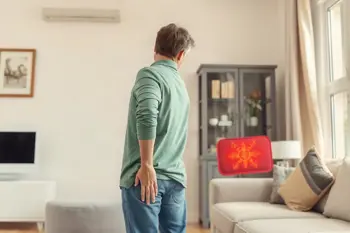
Exercise selection should reflect the pattern and duration of symptoms rather than rely on a generic routine. A physical therapist or other qualified clinician can assess movement and help identify appropriate exercises when pain persists, recurs, or limits ordinary activities. Massage, acupuncture, and spinal manipulation are also described as possible non-drug approaches for selected cases, but their usefulness and suitability depend on the individual diagnosis and professional assessment. 2
Reduce strain during daily activities
Back-care habits at home include alternating sitting, standing, and walking instead of remaining in one position for long periods. Lifting should be postponed during a flare when possible, particularly if it requires twisting or bending under load. When lifting becomes necessary, controlled body mechanics and avoiding sudden movements can reduce stress. Extended sitting, poor posture, obesity, tobacco use, aging, overuse, and prior injury are among factors associated with back symptoms. 4
Prevention is not limited to posture. Strengthening the stomach, hip, and back muscles may help reduce the likelihood of future pain, while gradual conditioning can improve tolerance for ordinary activity. Recovery plans also need to account for work demands, sleep positions, household tasks, and recurring triggers. Persistent or recurrent pain should not be managed indefinitely by repeating the same home routine without a clinical review, particularly when function continues to decline. 1
Know when home care is not enough
Urgent medical evaluation is warranted when back pain occurs with new bowel or bladder problems, numbness around the groin or saddle area, or progressive weakness in the legs. These symptoms can indicate serious nerve involvement. Prompt assessment is also important after major trauma or when pain is accompanied by fever, chills, unexplained weight loss, or another sign of systemic illness. Such warning signs should not be masked by continued self-treatment. 10
Many nonspecific episodes improve over several weeks, but severe, worsening, persistent, or recurrent pain requires professional assessment. Harvard Health reports that chronic pain is generally defined as lasting longer than 12 weeks, while other clinical guidance notes that most common mechanical pain resolves with treatment rather than surgery. A clinician may use a physical examination and, when indicated, imaging, blood tests, or nerve testing to investigate the cause. 2
Sources
- Merck Manual Consumer Version, “Quick Facts: Low Back Pain,” https://www.merckmanuals.com/home/quick-facts-bone-joint-and-muscle-disorders/neck-and-low-back-pain/low-back-pain
- Harvard Health, “Create a plan to relieve your back pain,” https://www.health.harvard.edu/pain/create-a-plan-to-relieve-your-back-pain
- Harvard Health, “Back Pain,” https://www.health.harvard.edu/topics/back-pain
- Dartmouth Health, “Tips to Relieve Your Lower Back Pain,” https://www.dartmouth-health.org/articles/tips-relieve-your-lower-back-pain
- Cedars-Sinai, “The Best Stretches and Exercises for Lower Back Pain,” https://www.cedars-sinai.org/stories-and-insights/expert-advice/the-best-stretches-and-exercises-for-lower-back-pain
- Acibadem Hospitals Group, “Over The Counter Remedies For Lower Back Pain,” https://acibademinternational.com/health-library/over-the-counter-remedies-for-lower-back-pain-explained-common-triggers-and-red-flags/
- Denver Spine Surgeons, “Lower Back Pain Self Care Guide,” https://www.neurosurgeryone.com/blog/a-guide-to-lower-back-pain-self-care/
- Medistik, “Back Pain Relief at Home,” https://medistik.com/blogs/pain-management/back-pain-relief-at-home
- Nolla Health, “Lower Back Pain Relief: What Works and When to Worry,” https://www.nollahealth.com/learning/lower-back-pain-relief
- Mindful Movement Physical Therapies, “How to Treat Back Pain at Home,” https://mindfulmovementphysicaltherapies.com/treat-back-pain-at-home/
- U.S. Food and Drug Administration, “Non-Steroidal Anti-Inflammatory Drugs,” https://www.fda.gov/drugs/postmarket-drug-safety-information-patients-and-providers/non-steroidal-anti-inflammatory-drugs
Authored by MistyMountainView team