Early symptoms of lupus you should know: A clinical guide to warning signs
Early symptoms of lupus you should know include persistent fatigue, unexplained fever, joint pain or swelling, sun-sensitive rashes, and changes affecting the fingers or toes. Lupus symptoms vary substantially between people, may begin suddenly or gradually, and can worsen during flares before improving for a period. 1
Why early lupus symptoms are difficult to identify
Lupus is an autoimmune disease in which the immune system attacks healthy tissues, causing inflammation that may involve the joints, skin, kidneys, blood cells, brain, heart, or lungs. The condition is often difficult to diagnose because its symptoms overlap with several other illnesses, and no single symptom confirms lupus. Symptoms can also be mild, severe, brief, or persistent, creating an inconsistent pattern that may delay recognition. 1 2
- Symptoms may occur in different body systems.
- Flares can make symptoms worsen and later subside.
- A clinical evaluation is required rather than symptom-based self-diagnosis.
Fatigue, fever, and general illness
Persistent or overwhelming fatigue is among the most frequently reported early complaints in lupus, and some people also develop an unexplained fever or a general sense of feeling unwell. These symptoms are nonspecific, meaning they can arise from many conditions, but repeated episodes become more informative when they occur with joint symptoms, rashes, sores, or other immune-related changes. Medical history and the timing of symptoms help clinicians assess whether a broader pattern is present. 3 4
- Fatigue may continue despite ordinary rest.
- Fever may occur without an obvious explanation.
- Repeated symptom episodes should be documented for clinical review.
Joint pain, stiffness, and swelling
Joint pain, stiffness, and swelling are common lupus manifestations and may affect more than one joint. Morning stiffness or discomfort that moves between joints can be an important part of the overall pattern, although these findings also occur in infections, other autoimmune diseases, and ordinary musculoskeletal conditions. Lupus-related joint symptoms may come and go during flares, so noting which joints are affected, how long stiffness lasts, and whether swelling is visible can provide useful clinical detail. 1 5
- Record the location and duration of pain.
- Note visible swelling or reduced movement.
- Include whether symptoms improve or recur over time.
Skin rashes and sensitivity to sunlight
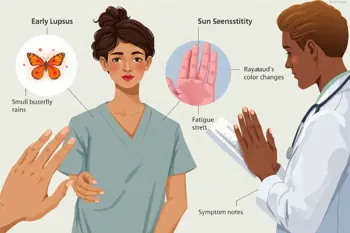
A butterfly-shaped rash across the cheeks and bridge of the nose is a recognized lupus clue, but it does not occur in every person with lupus. Other rashes may appear on sun-exposed areas and become worse after sunlight. The rash can look red on lighter skin and may be harder to see on Black or brown skin, making changes in texture, warmth, or contrast relevant during assessment. A rash alone cannot establish the diagnosis. 1 6
- Observe whether a rash follows sun exposure.
- Record its location, duration, and recurrence.
- Report new or changing skin findings to a clinician.
Mouth sores, hair loss, and color changes
Recurring painless sores inside the mouth or nose and hair thinning or hair loss may occur in lupus. Some people also experience Raynaud’s phenomenon, in which fingers or toes change color in response to cold or stress, commonly becoming white or blue and later returning toward their usual color. These findings are not exclusive to lupus, but their recurrence alongside fatigue, joint problems, or photosensitive rashes can strengthen the reason for a comprehensive evaluation. 7
- Note whether mouth or nose sores are painful.
- Document increased hair shedding or thinning.
- Record color changes and possible cold or stress triggers.
Chest discomfort and breathing symptoms
Shortness of breath and chest pain can occur when lupus-related inflammation affects tissues around the lungs or heart. Chest pain that becomes worse with deep breathing is a symptom that warrants medical evaluation because it can have several possible causes, some unrelated to lupus. The combination of chest discomfort with fever, breathlessness, or a known autoimmune condition should be described clearly, including when it began and whether breathing or movement changes the sensation. 8
- Describe whether pain changes with deep breathing.
- Record breathlessness during rest or activity.
- Seek prompt medical assessment for concerning chest symptoms.
Kidney-related warning signs
Lupus can affect the kidneys, sometimes with few noticeable symptoms in the early stages. Possible clues include foamy urine from excess protein, blood in the urine, swelling in the legs, or high blood pressure. Because kidney involvement may be clinically quiet, urine and blood testing can identify problems that symptoms alone might miss. These findings should be assessed by a healthcare professional rather than attributed automatically to dehydration, diet, or temporary illness. 9 10
- Report persistent foaminess or visible blood in urine.
- Describe new swelling in the legs or feet.
- Ask about urine and blood testing when lupus is being evaluated.
How clinicians evaluate possible lupus
Diagnosis generally combines a person’s symptom history, physical examination, and laboratory testing rather than relying on one symptom or one test. Clinicians consider how findings relate across the skin, joints, blood, kidneys, lungs, heart, and nervous system. Symptoms that flare and fade can make a timeline especially valuable. A written record of rashes, fevers, fatigue, joint swelling, color changes, sores, urine changes, and possible triggers can support a more complete assessment. 11
- Bring a timeline of recurring or changing symptoms.
- Include possible links to sunlight, cold, stress, or infections.
- Discuss all medicines and relevant medical history.
When medical attention is especially important
Persistent or unexplained symptoms involving several body systems deserve medical discussion, particularly when they recur or interfere with daily activities. Chest pain, shortness of breath, leg swelling, blood in the urine, or marked changes in urine should not be ignored because they may indicate organ involvement or another condition requiring assessment. Early recognition can support symptom management and help reduce the risk of complications, but symptoms alone cannot determine whether lupus is present. 2 9 10
- Seek urgent care for severe or rapidly worsening breathing or chest symptoms.
- Report possible kidney-related changes promptly.
- Avoid assuming that a familiar symptom has only one cause.
Sources
- Mayo Clinic, “Lupus: Symptoms & causes”
- Centers for Disease Control and Prevention, “Signs and Symptoms of Lupus”
- Cedars-Sinai, “How to Find Out If You Have Lupus”
- National Institute of Arthritis and Musculoskeletal and Skin Diseases, “Lupus”
- MedlinePlus, “Lupus”
- Lupus Foundation of America, “Common Signs and Symptoms of Lupus”
- Cleveland Clinic, “Lupus”
- Johns Hopkins Lupus Center, “Lupus Symptoms”
- American College of Rheumatology, “Lupus”
- National Kidney Foundation, “Lupus Nephritis”
- Hospital for Special Surgery, “Lupus”
Authored by MistyMountainView team