Warning signs of colon cancer: A clinical guide to symptoms and evaluation
Warning signs of colon cancer include changes in bowel habits, blood in or on the stool, rectal bleeding, abdominal discomfort, fatigue, and unexplained weight loss. These symptoms can also result from hemorrhoids, infections, inflammatory bowel disease, or other digestive conditions, so they do not establish a cancer diagnosis by themselves. Persistent, worsening, or unexplained changes should be discussed with a healthcare professional.
Why early colon cancer can be difficult to recognize
Colon cancer begins in the colon, the longest section of the large intestine, and often develops from polyps. Polyps are commonly noncancerous, but some can change over time and become cancerous. Many polyps cause no symptoms, and many people with early colon cancer also feel well, which is why symptom-based observation alone cannot reliably exclude disease. Regular screening can identify polyps or cancer before noticeable warning signs develop. 1
- Early disease may have no obvious symptoms. 1
- Symptoms may vary according to the tumor’s size and location in the large intestine. 1
- Symptoms alone cannot confirm whether cancer is present. 3
Blood in the stool or rectal bleeding
Blood in or on the stool, blood on toilet paper, or bleeding from the rectum is an important warning sign to have evaluated. Blood may appear bright red, or it may make stool very dark or tarry when bleeding occurs higher in the digestive tract. Hemorrhoids and anal fissures can also cause bleeding, but the presence of a common alternative does not make unexplained or recurring blood safe to disregard. 2
The appearance of blood does not identify its cause, and a clinician may need to consider symptoms together with medical history, examination, stool testing, blood testing, or colonoscopy. Large amounts of rectal bleeding may warrant assessment in an emergency department, particularly when accompanied by weakness, dizziness, or other concerning symptoms. 4
Persistent changes in bowel habits
A lasting change in bowel habits can involve diarrhea, constipation, more frequent bowel movements, or a pattern that differs noticeably from a person’s usual routine. Other reported changes include narrower or ribbon-like stools and a sensation that the bowel has not emptied completely. A temporary change is often related to diet, medication, stress, infection, or another condition, but persistence makes clinical assessment more important. 1
- Diarrhea that continues beyond the expected short course should be discussed with a healthcare professional. 4
- Constipation alone does not mean colon cancer, but a new or persistent pattern warrants attention. 4
- A continuing urge to have a bowel movement after using the bathroom is another reported symptom. 6
Abdominal pain, cramps, or bloating
Ongoing discomfort in the abdomen may include cramping, gas, bloating, pressure, or pain. Colon cancer can produce these symptoms, although they are also common in irritable bowel syndrome, infections, inflammatory bowel disease, food intolerance, and other gastrointestinal conditions. The more concerning pattern is discomfort that persists, worsens, recurs with bowel changes, or appears alongside bleeding, anemia, fatigue, or unexplained weight loss. 1
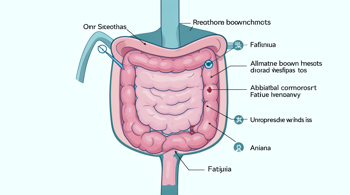
Location and intensity alone cannot determine whether abdominal symptoms are related to cancer. A clinical evaluation is more informative when it includes the duration of symptoms, bowel pattern, stool appearance, medication use, family history, and any previous intestinal disease. Persistent symptoms lasting more than a short period, especially when combined with other warning signs, are a reason to contact a healthcare provider. 6
Fatigue, weakness, and anemia
Colon cancer can cause slow blood loss that is not always visible in the stool. Over time, this may contribute to iron-deficiency anemia, which can appear as persistent tiredness, weakness, paleness, or shortness of breath. Anemia without an identified explanation is clinically significant because it may reflect bleeding in the digestive tract, although dietary deficiency, menstrual blood loss, chronic disease, and other causes are also possible. 3
- Unexplained anemia should be evaluated rather than attributed automatically to ordinary tiredness. 7
- Fatigue may occur with or without visible rectal bleeding. 2
- Weakness and reduced stamina can accompany anemia-related blood loss. 4
Unintentional weight loss and other combined patterns
Weight loss without a deliberate change in eating or physical activity is another possible warning sign. It becomes more concerning when it occurs with persistent abdominal pain, altered bowel habits, blood in the stool, or fatigue. The symptom is not specific to colon cancer and can arise from infections, endocrine disorders, digestive disease, medication effects, or other illnesses, so the underlying cause requires medical assessment rather than interpretation from weight change alone. 2
Symptoms do not always appear separately. A combination such as ongoing diarrhea and abdominal pain, rectal bleeding with anemia, or bowel changes with unexplained weight loss deserves particular attention. Medical sources emphasize that many people initially explain these findings as hemorrhoids, constipation, a stomach virus, or a preexisting digestive disorder, which can delay evaluation when the pattern continues. 6
Screening, risk, and when evaluation matters
Screening is different from diagnostic testing. Screening is intended for people who may have no symptoms, while diagnostic evaluation investigates symptoms or abnormal findings. For average-risk adults in the United States, the U.S. Preventive Services Task Force recommends colorectal cancer screening from ages 45 through 75. People with inflammatory bowel disease, a relevant personal or family history, or other increased-risk circumstances may need a different schedule or earlier assessment. 5
- Do not assume young age rules out colorectal cancer; symptoms can occur at any age. 2
- Rectal bleeding, iron-deficiency anemia, persistent bowel changes, abdominal pain, and unintentional weight loss warrant evaluation for colorectal disease. 7
- Screening can detect precancerous polyps or cancer before symptoms appear. 5
Sources
- Mayo Clinic, Colon cancer: Symptoms and causes
- Centers for Disease Control and Prevention, Colorectal cancer symptoms
- National Cancer Institute, Colon cancer treatment information
- American Cancer Society, Signs and symptoms of colon and rectal cancer
- U.S. Preventive Services Task Force, Colorectal cancer screening recommendation
- Fred Hutch, Colon cancer symptoms and signs
- American College of Gastroenterology, Colon cancer information
Authored by MistyMountainView team