Early symptoms of Hyperthyroidism you should know: Clinical Analysis and Understanding
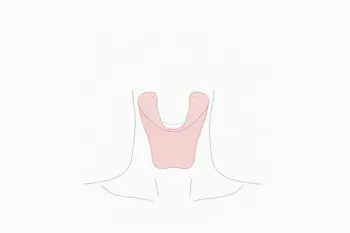
Hyperthyroidism, commonly referred to as an overactive thyroid, occurs when the butterfly-shaped gland located at the base of the neck produces excessive amounts of thyroid hormones 1. Because these hormones regulate the speed at which the body's metabolic functions proceed, an overabundance can effectively shift various organ systems into overdrive 2. Recognizing early warning signs is critical, as the condition frequently mimics other health concerns or lifestyle-related stress, which can lead to delayed diagnosis and potentially significant long-term complications 6.
Metabolic Shifts and Unexplained Weight Changes
One of the most characteristic signs of an overactive thyroid is unintentional weight loss occurring despite a normal or even increased appetite 2. Because the thyroid hormones control the rate at which calories are burned, excessive production accelerates the basal metabolic rate, causing the body to consume energy significantly faster than normal at rest 2, 9. This rapid calorie depletion is a consistent early indicator that often prompts clinical investigation into thyroid function 9.
Cardiovascular and Respiratory Impacts
Hyperthyroidism often manifests through noticeable changes in heart activity, as thyroid hormones have a direct stimulating effect on the cardiovascular system 9. Clinical observations frequently include a resting heart rate that is persistently elevated, often exceeding 100 beats per minute, or the development of heart palpitations where individuals feel an increased awareness of their own heartbeat 7, 9. These cardiac symptoms are particularly concerning because, if left untreated, they may lead to more complex arrhythmias, such as atrial fibrillation, which can significantly alter long-term cardiovascular health 3, 7.
Neurological and Behavioral Indicators
Patients often report subtle, early neurological changes that may be easily misattributed to emotional stress or fatigue. Common indicators include persistent feelings of anxiety, irritability, and nervous energy, coupled with a notable fine tremor, often appearing as a slight shaking of the hands or fingers 2, 5, 8. Furthermore, sleep disturbances, such as difficulty falling or staying asleep, are frequently reported as the body remains in a heightened state of metabolic arousal, making it challenging for the nervous system to achieve a state of rest 2, 5.
Thermoregulation and Dermatological Signs
An accelerated metabolism generates excess body heat, leading to significant intolerance to temperature changes that others might find comfortable 3, 7. This frequently presents as excessive sweating and a persistent feeling of being overheated 2, 5. Additionally, dermatological changes such as hair thinning or hair loss, and changes in skin texture, are occasionally observed during the earlier stages of the condition 3, 5. These outward symptoms are direct reflections of the hormonal disruption impacting skin maintenance and hair follicle growth cycles 2.
Digestive and Systemic Changes
As the digestive system is also governed by metabolic rates, hyperthyroidism can lead to distinct changes in bowel habits. Many patients report an increased frequency of bowel movements or, in some instances, persistent diarrhea, as the digestive tract processes material at an accelerated speed 2, 5. In certain cases, the thyroid gland itself may enlarge, forming what is known as a goiter, which might cause visible swelling or fullness at the base of the neck, further signaling an underlying issue with the gland’s function 3, 5.
Demographics and Clinical Considerations
Hyperthyroidism affects approximately 1% to 1.2% of the population, with a significantly higher prevalence in women than in men, particularly those between the ages of 20 and 50 2, 4, 6. It is essential to recognize that symptoms in older populations may present differently, sometimes appearing with less of the classic hyperadrenergic intensity and more as neurocognitive changes or muscle weakness 10. Regardless of age, diagnosis is typically confirmed through serum thyroid function tests that analyze levels of free thyroid hormones and thyroid-stimulating hormone 2, 4.
Sources
- National Institute of Diabetes and Digestive and Kidney Diseases (NIDDK)
- Merck Manual Consumer Version
- Penn Medicine
- Merck Manual Professional Edition
- Nebraska Medicine
- Medical Park Health Guide
- Harvard Health Publishing
- GP24: The 24 Hour Doctor
- The Private GP
- NCBI Bookshelf: Endotext
Authored by MistyMountainView team