Natural Remedies for Blood Sugar Balance: Evidence, Risks, and Practical Guidance
Claims about how to lower blood sugar fast with natural remedies often attract people with diabetes, prediabetes, or concerns about insulin resistance. Blood glucose generally does not normalize overnight, but physical activity, meal composition, fiber intake, and weight management can begin shifting glucose patterns, while supplements require more cautious interpretation because quality, dosage, and safety vary. 1
What blood sugar balance means
Blood sugar management concerns both immediate readings and longer-term measures such as the A1C test, which reflects average blood glucose over approximately three months. A fasting glucose below 100 mg/dL is generally considered healthy, 100 to 125 mg/dL indicates prediabetes, and 126 mg/dL or above falls within the diabetes range, although diagnosis requires appropriate medical evaluation rather than a single self-test. 2
Persistently elevated glucose can damage blood vessels and nerves and increase risks involving vision, kidney function, cardiovascular health, and stroke. For that reason, natural approaches are most appropriately understood as components of prevention or diabetes management, not as substitutes for prescribed treatment, glucose monitoring, or clinical follow-up. 1
Food patterns with the strongest support
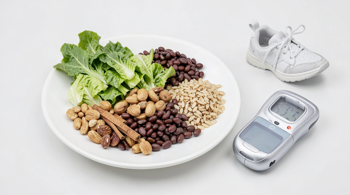
A blood sugar-supportive eating pattern generally emphasizes nonstarchy vegetables, legumes, whole grains, nuts, seeds, and minimally processed foods. Carbohydrate quality, portion size, and total carbohydrate intake all influence glucose responses, so replacing refined carbohydrate foods with higher-fiber choices can support steadier readings without requiring the complete removal of carbohydrates. 4
Fiber is particularly relevant because it slows digestion and carbohydrate absorption. Soluble fiber can form a viscous material during digestion, moderating the rise in glucose after meals. Legumes, whole grains, vegetables, fruits, nuts, and seeds are identified as useful fiber sources, while meal planning should still account for individual medical needs and prescribed therapies. 8 9
Movement, weight, and daily routines
Regular physical activity helps muscles use glucose for energy and can improve insulin sensitivity. Walking after eating may blunt post-meal rises, while resistance training provides another structured form of activity associated with improved glucose handling. People using insulin or glucose-lowering medicines may need to monitor readings more closely when changing activity because exercise can contribute to hypoglycemia. 1 2
For adults at high risk of type 2 diabetes, the CDC Diabetes Prevention Program identifies two central targets: losing approximately 5% to 7% of body weight and completing at least 150 minutes of physical activity per week. These targets concern diabetes-risk reduction and do not establish that every person with diabetes should pursue the same weight or exercise plan. 3
Cinnamon and other supplements
Cinnamon is widely discussed because some studies suggest small improvements in fasting glucose or insulin-related measures. However, research results are mixed, and evidence does not establish cinnamon as a replacement for standard diabetes care. Cinnamon used as a culinary spice is different from concentrated capsules, and excessive intake of some varieties may raise concerns about coumarin exposure. 5
Berberine has also been studied in people with type 2 diabetes and prediabetes. A systematic review reported possible improvements in some glycemic measures, but it identified limitations in study quality and called for better-controlled research. Product strength and formulation can vary, and berberine may interact with medicines or contribute to excessively low glucose. 10 6
Magnesium, vinegar, and evidence limits
Magnesium participates in glucose metabolism, but magnesium supplements are not a universal remedy for blood sugar control. Supplementation may be clinically relevant when a deficiency or increased need is identified, whereas unnecessary use can cause adverse effects, particularly at excessive doses. Assessment by a qualified clinician is more reliable than assuming that a supplement is needed because glucose is elevated. 7
Apple cider vinegar and similar remedies have limited evidence for meaningful diabetes management. They may affect digestion or post-meal glucose in some circumstances, but reported concerns include tooth erosion, gastrointestinal symptoms, and interactions with medication. Claims of precise reductions or rapid normalization should therefore be treated cautiously unless supported by high-quality clinical evidence. 6 11
Safety, regulation, and practical evaluation
Dietary supplements are not regulated like prescription medicines for effectiveness before marketing. The FDA notes that the word natural does not automatically mean safe or effective, and products marketed for diabetes may have variable purity, ingredient accuracy, and dose consistency. This regulatory difference makes label review, third-party quality information, and professional guidance important considerations. 11 6
People taking insulin or other glucose-lowering medication should discuss supplements and major changes in diet or exercise with a healthcare professional. A safer evaluation process distinguishes food-based habits from concentrated extracts, tracks glucose and A1C as advised, checks for side effects, and avoids stopping prescribed treatment based on testimonials or social-media claims. 2 6
What a sustainable approach involves
The most consistently supported foundation combines a high-fiber, minimally processed eating pattern with regular activity and weight management when medically appropriate. Diabetes UK similarly describes meals centered on vegetables, pulses, whole grains, and other high-fiber carbohydrate foods, with attention to portions and total carbohydrate intake. These measures require continuing attention because glucose management is an ongoing process rather than a one-time remedy. 12
Natural products may be considered only as complementary options after their evidence, interactions, and quality have been reviewed. Cinnamon has inconsistent findings, berberine remains limited by research and product concerns, magnesium is most relevant to individual nutritional status, and vinegar has recognized drawbacks. The available evidence therefore favors food, movement, monitoring, and clinical care over promises of rapid or complete reversal. 5 7 10
Sources
- Centers for Disease Control and Prevention, Healthy Eating for Diabetes: https://www.cdc.gov/diabetes/healthy-eating/index.html
- National Institute of Diabetes and Digestive and Kidney Diseases, Diet, Eating, and Physical Activity: https://www.niddk.nih.gov/health-information/diabetes/overview/diet-eating-physical-activity
- Centers for Disease Control and Prevention, National Diabetes Prevention Program: https://www.cdc.gov/diabetes/prevention/about-the-program.html
- American Diabetes Association, Understanding Carbohydrates: https://diabetes.org/food-nutrition/understanding-carbs
- National Center for Complementary and Integrative Health, Cinnamon: https://www.nccih.nih.gov/health/cinnamon
- National Center for Complementary and Integrative Health, Diabetes and Dietary Supplements: https://www.nccih.nih.gov/health/diabetes-and-dietary-supplements
- NIH Office of Dietary Supplements, Magnesium: https://ods.od.nih.gov/factsheets/Magnesium-HealthProfessional/
- Mayo Clinic, Dietary Fiber: https://www.mayoclinic.org/healthy-lifestyle/nutrition-and-healthy-eating/in-depth/fiber/art-20043983
- Harvard T.H. Chan School of Public Health, Fiber: https://www.hsph.harvard.edu/nutritionsource/carbohydrates/fiber/
- PubMed, Systematic Review of Berberine: https://pubmed.ncbi.nlm.nih.gov/23827074/
- U.S. Food and Drug Administration, It’s Really ‘Natural’: https://www.fda.gov/consumers/consumer-updates/it-really-natural
- Diabetes UK, Eating with Diabetes: https://www.diabetes.org.uk/guide-to-diabetes/enjoy-food/eating-with-diabetes
Authored by MistyMountainView team