Best hospitals for Gastroenterology: An Analysis of Global Clinical Excellence and Specialized Care Standards
Gastroenterology and gastrointestinal (GI) surgery represent some of the most complex and clinically significant fields in modern medicine, encompassing the diagnosis and treatment of disorders affecting the liver, gallbladder, pancreas, stomach, and intestines 2. Identifying leading hospitals in this specialty involves analyzing metrics such as research output, patient outcomes, availability of advanced therapeutic endoscopy, and the integration of multidisciplinary surgical teams 1. This overview explores institutions consistently recognized for their contributions to digestive health and the evolving standards of care that define global excellence in the field.
Global Leaders in Specialized Gastroenterological Care
In recent international assessments, such as the World’s Best Specialized Hospitals 2026 rankings, institutions are evaluated based on their clinical expertise and capacity for managing rare or complex digestive conditions 1. The Mayo Clinic in Rochester, USA, maintains a prominent position as a global leader in gastroenterology, followed closely by the Cleveland Clinic and Massachusetts General Hospital 1. These centers are distinguished by their ability to manage a wide spectrum of GI health, from routine screenings for colorectal cancer to highly complex liver transplants and pancreatic surgeries 2.
International institutions also play a critical role in shaping global standards. For instance, the Chinese University of Hong Kong (CU Medicine) has been recognized for its sustained prominence in gastroenterology and hepatology, maintaining top-tier global rankings for several consecutive years 8. Other notable global leaders include Asan Medical Center in South Korea, Hospital Israelita Albert Einstein in Brazil, and King’s College Hospital in the United Kingdom, all of which contribute to the global advancement of digestive disease management through research and high-volume clinical practice 1.
Integrated Care Models and Multidisciplinary Approaches
Modern gastroenterology departments increasingly rely on multidisciplinary care teams to address the complexity of chronic conditions like inflammatory bowel disease (IBD), which includes Crohn’s disease and ulcerative colitis 3. Leading hospitals frequently utilize centralized centers of excellence, such as the Susan and Leonard Feinstein IBD Clinical Center at Mount Sinai, to unify clinical, diagnostic, and surgical expertise 3. This model allows for seamless collaboration between gastroenterologists, oncologists, and specialized surgeons, ensuring that patients receive comprehensive, integrated care plans tailored to their specific needs 3.
Acibadem Hospital, among others, emphasizes this multidisciplinary approach by combining board-certified surgeons and specialists who utilize precision medicine to move beyond symptom management toward targeted treatment 6. This focus on integrated, long-term health management is common among top-tier academic medical centers, which often serve as major referral sites for complex digestive issues that require significant coordination across departments 3. These institutions prioritize patient safety and recovery by utilizing advanced therapeutic endoscopy and minimally invasive robotic-assisted surgical systems 5.
Technological Advancements in Digestive Health
The field of gastroenterology is currently undergoing a rapid transformation driven by technological innovation in diagnostics and interventional procedures 7. Many leading facilities, such as Liv Hospital, have shifted from traditional diagnostic paradigms to advanced interventional gastroenterology, where techniques like AI-assisted colonoscopy and third-space endoscopy allow for the removal of early-stage tumors without the need for traditional external incisions 7. Such innovations are critical for reducing recovery times and improving overall patient comfort during routine and complex procedures alike 5.
Furthermore, research initiatives focusing on the gut microbiome-such as fecal microbiota transplantation (FMT)-are becoming hallmarks of top-ranked research hospitals 8. Institutions like CU Medicine have gained global recognition for breakthroughs in microbiome diagnostics, identifying links between bacterial markers and conditions ranging from gastric cancer to neurodevelopmental disorders 8. This commitment to pioneering research ensures that clinical practice evolves alongside the latest scientific discoveries, providing patients with access to potentially life-saving, evidence-based treatments 8.
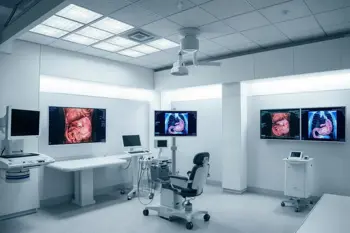
Clinical Specializations and Procedural Excellence
Excellence in gastroenterology is often measured by the volume and success rate of specific complex procedures, including ERCP (Endoscopic Retrograde Cholangiopancreatography), EUS (Endoscopic Ultrasound), and advanced biliary interventions 5. At centers like CARE Hospitals, the development of dedicated units for GI emergencies, such as acute bleeding management and specialized liver intensive care (GLICU), is vital for maintaining high standards of acute care 5. These specialized units are essential for hospitals that act as regional or national referral hubs for the most critical digestive complications 3.
The following table illustrates the global distribution of highly regarded institutions in this field based on recent evaluative rankings:
| Rank | Institution | Location |
|---|---|---|
| 1 | Mayo Clinic - Rochester | United States |
| 2 | Cleveland Clinic | United States |
| 3 | Massachusetts General Hospital | United States |
| 4 | Asan Medical Center | South Korea |
| 5 | Samsung Medical Center | South Korea |
| 6 | The Johns Hopkins Hospital | United States |
As noted in the table above, the concentration of top-ranked specialized hospitals remains high in regions with robust academic medical infrastructure, which supports both high-volume clinical service and continuous translational research 1.
Regulatory Oversight and Transparency in Medical Care
Maintaining high standards in gastroenterology requires rigorous regulatory oversight and professional transparency. Physicians at top-ranked institutions frequently disclose industry relationships to ensure that partnerships with medical device and pharmaceutical companies do not influence clinical care or research integrity 9. This transparency is essential for building patient trust and ensuring that treatment plans are based purely on established medical science and peer-reviewed outcomes 9.
Patients and healthcare stakeholders are advised to consider the breadth of a hospital’s services, the qualifications of the medical staff, and the presence of dedicated subspecialty clinics when evaluating care options. For chronic issues, access to integrated support services-such as subspecialty pharmacies that help manage the high cost of biologic therapies-is also a significant indicator of a hospital's patient-centered approach to care management 3.
Market Trends and Future Considerations
As of mid-2026, the gastroenterology sector continues to be influenced by the increasing demand for high-volume surgical expertise and the integration of data-driven digital health platforms 2. Healthcare marketers and institutional planners focus on these high-ranking hospitals as benchmarks for quality of care and procedural efficiency 2. The trend toward non-invasive diagnostics and personalized nutritional counseling suggests that the future of gastroenterology will be defined by an even greater emphasis on preventative care and long-term health optimization 5.
Understanding the current landscape of digestive healthcare requires looking beyond raw rankings to appreciate the systemic infrastructure-the combination of research, technology, and multidisciplinary expertise-that enables these institutions to provide world-class outcomes 8. Whether through technological breakthroughs in the lab or the refinement of surgical techniques, the leading hospitals continue to set the trajectory for global clinical practice in gastroenterology 8.
Sources
- Newsweek - World’s Best Specialized Hospitals 2026: Gastroenterology
- Ampliz - List of Gastroenterology Hospitals in the US
- Montefiore Einstein - Advanced Care in Gastroenterology
- Becker’s ASC - Leaders of the Nation’s Top GI Hospitals
- CARE Hospitals - Gastroenterology Speciality Overview
- Acibadem International - Gastroenterology, Hepatology & Endoscopy
- Liv Hospital - Gastroenterology Clinic Overview
- Newswire - The Chinese University of Hong Kong (CU Medicine) Global Rankings
- Cleveland Clinic - Provider Profile and Transparency Data
Authored by MistyMountainView team