Natural remedies for dandruff: evidence, safety, and practical scalp care
Persistent white flakes and an itchy scalp often lead people to search for natural remedies for dandruff. Dandruff is commonly associated with scalp oil, increased shedding, sensitivity, and the yeast Malassezia, rather than poor hygiene alone. This guide separates remedies with limited supporting evidence from routine measures and medically supported treatment options.
What dandruff is and why it develops
Dandruff involves increased shedding of scalp skin and may represent the milder end of seborrheic dermatitis. Malassezia yeast naturally occurs on the scalp, but its interaction with sebum and individual skin sensitivity can contribute to inflammation, scaling, and itch. Flakes may be dry and white or larger, oily, and yellowish. Dry weather, hormonal changes, stress-related oil changes, underlying skin conditions, and irritating hair products can also influence symptoms. 4 5
- Dry, powdery flakes are more consistent with scalp dryness or irritation.
- Greasy flakes, redness, and persistent itch may occur with seborrheic dermatitis.
- Psoriasis, eczema, and some fungal infections can resemble ordinary dandruff and require different care. 9 10
Natural remedies and the strength of evidence
Natural ingredients are not equally supported by clinical research. Tea tree oil has the clearest limited evidence among commonly discussed home remedies: a randomized trial found that a shampoo containing 5% tea tree oil improved dandruff severity and affected area compared with placebo over four weeks. This does not establish that pure oil, homemade mixtures, or higher concentrations are more effective. Evidence remains insufficient to conclude that coconut oil, apple cider vinegar, baking soda, or lemon juice reliably treat dandruff. 6 7
| Approach | What the evidence indicates |
|---|---|
| Tea tree oil | Limited clinical support when used in a formulated 5% shampoo. |
| Aloe vera | May soothe irritation, but high-quality dandruff evidence is limited. |
| Coconut oil | May moisturize dry skin, but reliable dandruff treatment evidence is insufficient. |
| Vinegar, baking soda, lemon | Commonly suggested, but dependable clinical support is insufficient. |
Tea tree oil: potential benefits and risks
Tea tree oil contains compounds with antifungal and anti-inflammatory activity, which explains its use in dandruff products. However, concentrated essential oil can irritate the scalp or cause allergic contact dermatitis. It should not be swallowed and should not be applied undiluted. A prepared shampoo with a studied concentration is more controlled than adding drops to a homemade mixture. A small-area test can help identify sensitivity, although it cannot eliminate the possibility of a later reaction. 6 7
- Avoid undiluted tea tree oil on the scalp.
- Do not use it orally or near the eyes.
- People with sensitive skin, children, or extensive inflammation should seek medical advice before using essential oils. 7
Scalp-care measures that support symptom control
Regular, gentle cleansing can remove excess oil, loose scale, and product residue. Washing frequency should reflect how quickly the scalp becomes oily, because infrequent shampooing can make flakes and buildup more visible, while harsh scrubbing may worsen irritation. Fingertips are preferable to fingernails, and thorough rinsing helps limit residue. Persistent dandruff may require an over-the-counter shampoo containing ketoconazole, selenium sulfide, zinc pyrithione, salicylic acid, or coal tar, ingredients with stronger clinical support than most kitchen remedies. 1 2 3
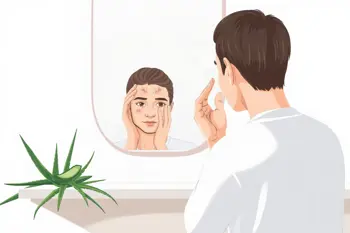
- Cleanse consistently with a gentle shampoo and avoid aggressive scratching.
- Follow the directions for any medicated shampoo and allow adequate contact time when instructed.
- Rotate active ingredients only according to product directions or clinical advice if one option is ineffective. 1 2
Moisture, diet, and common misconceptions
Coconut oil and aloe vera may feel soothing when dryness or irritation is prominent, but comfort is not the same as proven control of the underlying condition. Oils can also leave residue, and the available evidence does not show that coconut oil consistently treats dandruff. Diet may support general skin health, but dandruff will not reliably disappear through dietary change alone. Some clinical sources discuss hydration, omega-3 fatty acids, zinc, or reduced sugar as potentially relevant to overall scalp health, yet strong evidence for dietary treatment is lacking. 1 2
Dandruff is not simply a sign that the scalp is dirty. The condition may become more noticeable when washing is infrequent, but excessive washing with harsh products can increase dryness and irritation. Baking soda and acidic rinses can also cause irritation, especially when used undiluted or repeatedly. Product buildup, fragrance sensitivity, eczema, and psoriasis may produce flaking that does not respond to a dandruff remedy. Identifying the pattern is therefore more useful than repeatedly adding new ingredients. 3 5
When natural self-care is not enough
Dandruff often recurs because its contributing factors can be chronic. If gentle cleansing and a carefully selected remedy do not improve symptoms, an evidence-supported medicated shampoo may be more appropriate than continuing to layer home treatments. Medical evaluation is particularly important when the scalp is painful, very red, oozing, markedly inflamed, or associated with hair loss. Persistent or atypical scaling can indicate psoriasis, eczema, seborrheic dermatitis, infection, or another condition requiring targeted diagnosis. 2 8 10
- Stop a natural product if burning, swelling, rash, or worsening itch develops.
- Seek clinical advice for severe, painful, oozing, or hair-loss-associated symptoms.
- Consider professional assessment when self-care does not improve persistent dandruff.
Sources
- American Academy of Dermatology, “How to Treat Dandruff”
- Mayo Clinic, “Dandruff: Diagnosis and Treatment”
- NHS, “Dandruff”
- Cleveland Clinic, “Dandruff”
- DermNet, “Dandruff”
- PubMed, randomized trial of 5% tea tree oil shampoo for dandruff
- National Center for Complementary and Integrative Health, “Tea Tree Oil”
- Healthdirect Australia, “Dandruff”
- MedlinePlus, “Seborrheic Dermatitis”
- NCBI Bookshelf, StatPearls clinical review of seborrheic dermatitis
Authored by MistyMountainView team