Warning signs of a heart attack: Understanding the clinical indicators and emergency response
A heart attack, medically defined as a myocardial infarction, occurs when blood flow to the heart muscle is suddenly reduced or completely obstructed, leading to potential permanent tissue damage 1. Given that someone in the United States suffers a heart attack approximately every 40 seconds, understanding these warning signs is a vital component of public health awareness 2. While popular media often portrays heart attacks as sudden, dramatic collapses, clinical evidence suggests that symptoms are frequently subtle, varying significantly between individuals, and may manifest hours or even days before a major event 7, 8.
Physiological Mechanisms of Myocardial Infarction
The primary driver of most heart attacks is the formation of a blood clot within a coronary artery that has been previously narrowed by atherosclerosis, a condition characterized by the accumulation of fatty plaques along arterial walls 3. When these plaques rupture, they trigger the formation of a thrombus, which physically blocks the oxygen-rich blood supply necessary for the cardiac muscle to function 3, 5. Without this steady supply of oxygen, segments of the heart muscle begin to malfunction or experience tissue death, which is medically termed necrosis 1, 5.
While blood clots are the most common cause, myocardial infarction can also result from reduced blood flow caused by extreme heart rates or low blood pressure, particularly in individuals with pre-existing vascular disease 3. Approximately 800,000 heart attacks are reported annually in the United States alone 5, 9. Because each coronary artery serves a distinct portion of the heart muscle, the location and severity of the blockage dictate the intensity of the physical symptoms experienced by the patient 3.
Recognizing Common Clinical Symptoms
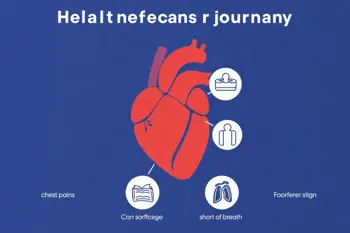
Chest pain or discomfort remains the most widely recognized indicator of cardiac distress 2, 8. This sensation is often described as pressure, squeezing, fullness, or an ache in the chest area 5. However, it is essential to note that these symptoms can range from mild to severe and may be intermittent rather than constant 4, 7. Many individuals report a sensation of tightness or discomfort that may resolve momentarily only to return later, a pattern sometimes referred to as waxing and waning symptoms 7.
Beyond chest-centered discomfort, patients often report symptoms that radiate to other parts of the upper body. These include pain or an unusual sensation in the jaw, neck, shoulders, back, or one or both arms 2, 4. Furthermore, clinical data indicates that shortness of breath is a frequent secondary symptom, which may occur either independently or in conjunction with chest distress 2, 6.
Atypical Presentations and Sex-Based Differences
Approximately half of all individuals who experience a myocardial infarction do not immediately recognize the symptoms for what they are at the time of onset 2. This is partially due to the prevalence of atypical presentations, particularly among women and older adults 2, 8. Women are statistically more likely to experience symptoms such as nausea, abdominal pain, vomiting, or overwhelming fatigue that does not align with typical exertional patterns 2, 4. Because these sensations can mimic less severe conditions like indigestion, they are frequently overlooked 7, 8.
In some instances, individuals may experience what is known as a silent heart attack, which accounts for approximately 20% of cases 6. These events occur with little or no detectable symptoms, highlighting the necessity of regular cardiovascular health assessments for those with known risk factors such as high blood pressure or diabetes 6. The variability in how heart attacks manifest underscores the importance of seeking medical evaluation for any unexplained or persistent physical distress, even if the symptoms appear mild 4.
Emergency Response Procedures
If a person suspects a heart attack, the immediate objective is to contact emergency services 1, 6. Time is a critical factor in preventing permanent cardiac damage, and prompt medical intervention can significantly improve survival outcomes 2, 6. While waiting for emergency personnel, it is generally recommended to ask the person to chew and swallow an aspirin if they are not allergic, as this may help thin the blood and improve flow 2, 5. Patients with a documented history of coronary artery disease who have been prescribed nitroglycerin should be assisted in taking the medication as directed 2.
It is strongly advised that individuals do not attempt to drive themselves to the hospital, nor should they rely on family members to provide transport, as professional paramedics can begin life-saving treatment during transit 1. Once in a clinical setting, healthcare providers utilize various diagnostic tools, including electrocardiograms (EKG) to monitor electrical activity and blood tests to measure cardiac enzymes and proteins, such as troponin, which are released when heart muscle is damaged 4, 9.
Diagnosis and Clinical Management
Following a suspected or confirmed heart attack, treatment strategies are focused on restoring blood flow to the heart muscle as quickly as possible 5. Depending on the diagnosis, which often distinguishes between STEMI (ST-segment elevation myocardial infarction) and NSTEMI (non-ST-segment elevation myocardial infarction), treatment may include reperfusion therapy, such as percutaneous coronary intervention or, in some cases, coronary artery bypass surgery 9. Managing the aftermath of an attack involves a comprehensive approach, including the use of beta-blockers, antiplatelet medications, and long-term lipid management 9.
Ongoing maintenance is a standard requirement for those who have experienced myocardial infarction. This typically includes participation in cardiac rehabilitation programs, adherence to prescribed medication schedules, and active management of cardiovascular risk factors to prevent subsequent cardiac events 9. Because heart disease is the leading cause of death globally, maintaining an awareness of personal health metrics and recognizing symptoms early remain the most effective strategies for long-term health management 9.
Sources
- Cleveland Clinic: Heart Attack (Myocardial Infarction)
- Mass General Brigham: Heart Attack Warning Signs
- Harvard Health Publishing: Heart Attack (Myocardial Infarction)
- Penn Medicine: Heart Attack Symptoms and Causes
- Merck Manual Consumer Version: Acute Coronary Syndromes
- UC Davis Health: Heart Attack
- Cleveland Clinic: Early Signs of a Heart Attack
- Family Doctor: Heart Attack
- Merck Manual Professional Edition: Acute Myocardial Infarction
Authored by MistyMountainView team