Best Muscle Massage Oil for Muscle Discomfort: A Technical Guide to Formulation and Selection
The selection of a topical massage oil for muscle discomfort involves understanding the interaction between carrier oils, active botanical compounds, and the mechanics of massage therapy itself. Whether addressing post-exercise fatigue or general muscle tension, users frequently encounter a wide array of formulations containing ingredients such as arnica, ginger, menthol, and various essential oils 1. This guide examines the structural composition of these products, the evidence supporting their use, and the necessary precautions for safe application on the skin.
The Physiological Role of Massage Oils
Massage oils are primarily functional, providing necessary lubrication to reduce friction during tissue manipulation, which prevents skin irritation during deep tissue or sports massage 2. While massage therapy is widely recognized for its ability to promote relaxation and potentially offer short-term relief for musculoskeletal tension, the oil itself functions as a vehicle for the massage technique rather than acting as a medical cure for underlying injuries 3. According to clinical perspective, massage may provide temporary comfort for muscle tension, yet it should not be considered a substitute for professional medical evaluation when symptoms are severe or persistent 4.
Common Botanical Ingredients and Their Applications
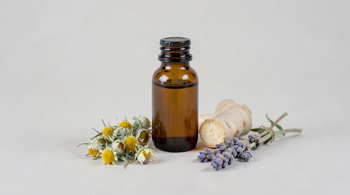
Many commercially available muscle recovery oils utilize botanical extracts that are purported to support comfort through various mechanisms. Arnica Montana is frequently featured in formulations, often cited in dermatological literature for its traditional use in addressing bruising and swelling, though evidence for its efficacy in treating chronic muscle pain is limited 5. Other oils incorporate ginger or turmeric, ingredients often associated with anti-inflammatory properties in herbal traditions, to support a sense of physical relaxation during the massage process 6. Because the regulatory status of these products often classifies them as cosmetics or aromatherapy rather than pharmaceuticals, scientific support for specific therapeutic claims can vary significantly between brands 7.
Understanding Cooling and Warming Sensations
Formulations designed for muscle recovery often leverage sensory stimulants such as menthol, camphor, eucalyptus, or peppermint oil. These ingredients induce a cooling or warming sensation on the skin, which can act as a distraction from discomfort by stimulating sensory receptors 8. While this sensory experience can feel beneficial during a massage, it is important to note that these sensations do not necessarily indicate that the underlying muscular stress or tissue damage is being physiologically repaired 9. Users should be aware that highly concentrated warming agents, such as cinnamon or clove, can be potent and may cause skin redness or irritation if not properly balanced in a carrier oil 10.
Carrier Oils and Skin Compatibility
The base of any effective massage oil is the carrier oil, which constitutes the majority of the product volume. Common carriers include sunflower seed oil, sweet almond, sesame, and fractionated coconut oil 11. These oils serve to protect the skin barrier while delivering the active ingredients. For individuals with sensitive skin, plain, unscented carrier oils such as jojoba or grape seed oil are often recommended as they minimize the risk of contact dermatitis associated with added fragrances or potent essential oils 12. Before using any new formulation, performing a small skin patch test is a standard safety recommendation to ensure the body does not react negatively to specific botanical constituents 13.
Safety, Regulatory Oversight, and Risk Mitigation
The use of essential oils in massage products carries inherent risks, including the potential for allergic contact dermatitis, as highlighted by the American Academy of Dermatology 14. Because aromatherapy products are not automatically vetted for therapeutic efficacy by agencies like the U.S. Food and Drug Administration, users should scrutinize ingredient lists for purity and avoid applying oils to broken or severely inflamed skin 15. Furthermore, professional guidance suggests that massage should be avoided over areas with active infection, acute injury, or suspected fractures until a medical professional has provided an appropriate diagnosis and clearance 16.
Criteria for Evaluating Massage Oil Products
When assessing the suitability of a product for muscle-related discomfort, consistency and ingredient transparency are key indicators of quality. Reliable products typically disclose full ingredient lists, allowing the user to identify potential allergens and assess the dilution levels of essential oils 17. Buyers are encouraged to prioritize products that offer clear guidance on usage, shelf life, and storage requirements. Rather than relying on marketing language claiming deep pain relief, users should look for evidence-based information regarding the concentration of actives and the suitability of the base oil for their specific skin type and intended application context 18.
Sources
- National Center for Complementary and Integrative Health, https://www.nccih.nih.gov/health/aromatherapy
- Cleveland Clinic, https://my.clevelandclinic.org/health/treatments/21887-massage-therapy
- Mayo Clinic, https://www.mayoclinic.org/healthy-lifestyle/consumer-health/in-depth/massage/art-20045773
- Cochrane, https://www.cochrane.org/CD004717/BACK_massage-for-low-back-pain
- The Organic Pharmacy, https://www.theorganicpharmacy.com/en-us/products/arnica-massage-oil
- Shankara, https://livelovespa.com/products/muscle-relief-oil
- U.S. Food and Drug Administration, https://www.fda.gov/cosmetics/cosmetic-products/aromatherapy
- SlimSpa, https://slimspaonline.com/products/sore-muscle-massage-oil-8-oz
- Johns Hopkins Medicine, https://www.hopkinsmedicine.org/health/wellness-and-prevention/aromatherapy-do-essential-oils-really-work
- Adelaide Hills Organics, https://www.adelaidehillsorganics.com.au/products/muscle-relief-oil
- Edens Garden, https://www.edensgarden.com/products/muscle-relief-body-oil
- Healthline, https://www.healthline.com/health/fitness-exercise/best-massage-oils
- Medical News Today, https://www.medicalnewstoday.com/articles/best-massage-oil
- American Academy of Dermatology, https://www.aad.org/public/everyday-care/itchy-skin/rash/essential-oils
- Majestic Pure, https://majesticpure.com/products/sore-muscle-massage-oil-with-lavender-and-chamomile-essential-oils-8-fl-oz-subscription
- PubMed, https://pubmed.ncbi.nlm.nih.gov/31882269/
- Natio, https://www.natio.com.au/products/sports-muscle-recovery-massage-oil
- Howe Essentials, https://howeessentials.com/products/ajm-muscle-joint-massage-oil
Authored by MistyMountainView team