Ways to manage nerve pain at home: Evidence-based self-care and safety guidance
Understand what nerve pain may indicate
Nerve pain, also called neuropathic pain, can feel burning, sharp, stabbing, tingling, or like an electric shock. It may result from nerve irritation, injury, compression, diabetes, cancer treatment, shingles, multiple sclerosis, vitamin deficiency, medication effects, or alcohol use. Because nerve pain is a symptom rather than a single disease, effective management depends on identifying and treating the underlying cause instead of relying only on home comfort measures. 1 2
- Record where the pain occurs, when it worsens, and whether numbness or weakness is present. 2
- Arrange medical assessment if symptoms persist, interfere with sleep, or affect daily function. 6
Protect numb hands and feet
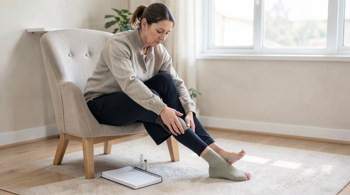
Reduced sensation makes it easier to overlook cuts, blisters, pressure injuries, burns, and cold damage. Daily inspection of the feet and hands is therefore a central home-management measure, particularly for people with diabetes. Properly fitting shoes, protective socks, and attention to areas of rubbing can reduce injury risk. Any wound that does not heal, becomes red or swollen, or produces drainage should be discussed with a healthcare professional rather than treated only at home. 3 6 10
- Check the skin, soles, between the toes, and around pressure points each day. 6
- Test bath water with an area of normal sensation or a thermometer, not with numb skin. 3
- Avoid walking barefoot when sensation is reduced. 6
Use temperature and touch cautiously
Warmth, massage, and gentle foot bathing may provide temporary comfort for some people, but they do not repair damaged nerves. A reported 2020 study found that a mineral-salt-water foot bath at about 100°F, or 40°C, for 15 minutes reduced pain from diabetic neuropathy compared with plain water soaks. However, soaking can dry the skin, and numbness increases the risk of burns. Ice should never contact skin directly and should be limited to short periods with a towel barrier, especially when sensation is impaired. 3 4
- Do not use heating pads, hot-water bottles, or ice packs directly on numb areas. 6
- Stop massage if it causes skin irritation, increased pain, or pressure-related injury. 4
Build gentle movement into daily routines
Low-impact activity such as walking, swimming, or stationary cycling may support mobility and overall pain management when tolerated safely. Physical therapy can add targeted strengthening, stretching, gait training, and balance work, particularly when weakness or instability accompanies nerve symptoms. Activity should be adjusted to ability and medical advice. For people with diabetes, managing blood glucose, blood pressure, cholesterol, weight, and smoking status according to a clinician’s plan addresses factors associated with nerve damage and its complications. 3 4
| Home focus | Purpose | Safety consideration |
|---|---|---|
| Low-impact movement | Maintains function and mobility | Use support if balance is impaired |
| Balance practice | May reduce fall risk | Perform near stable support |
| Foot care | Helps identify injuries early | Inspect after activity |
Consider topical and prescribed treatments
Localized nerve pain may respond to topical lidocaine or capsaicin, although results vary. Capsaicin can initially cause burning and must be used according to label directions, with careful handwashing and avoidance of eyes or broken skin. A large analysis of 313 trials involving nearly 50,000 people found that amitriptyline and other tricyclic antidepressants, gabapentin, pregabalin, and serotonin-norepinephrine reuptake inhibitors such as duloxetine were among the most effective medication categories for neuropathic pain. These medicines require professional selection because side effects, interactions, age, kidney function, and other conditions affect suitability. 5 8 1
- Do not stop a prescribed medicine or change its dose without medical advice. 8
- High-concentration capsaicin patches may help some adults with chronic peripheral neuropathic pain, but local burning and other adverse effects are possible. 9
- Opioids, Botox, and other second-line approaches involve additional risk and are not routine self-care measures. 1
Support sleep, coping, and clinical follow-up
Mindfulness, relaxation practices, cognitive behavioral therapy, and selected physical-therapy approaches may reduce pain-related distress and improve daily function, even when they do not eliminate the nerve signal itself. Keeping a symptom diary can help identify triggers and show whether sleep, movement, topical treatment, or medical therapy is improving function. Complete pain elimination is uncommon for chronic neuropathy, so treatment discussions often focus on meaningful reduction, better sleep, safer mobility, and management of the condition causing nerve injury. 7 2
- Seek prompt evaluation for new or rapidly worsening weakness, spreading numbness, or loss of balance. 6
- Urgent assessment is needed for bowel or bladder changes or sudden major weakness. 6
- Contact a clinician about infected wounds, wounds that do not heal, or symptoms that are progressively worsening. 10
Sources
- Harvard Health, Analysis highlights best treatments for neuropathic pain: https://www.health.harvard.edu/pain/analysis-highlights-best-treatments-for-neuropathic-pain
- National Institute of Neurological Disorders and Stroke, Peripheral Neuropathy: https://www.ninds.nih.gov/health-information/disorders/peripheral-neuropathy
- National Institute of Diabetes and Digestive and Kidney Diseases, Nerve Damage and Diabetic Neuropathies: https://www.niddk.nih.gov/health-information/diabetes/overview/preventing-problems/nerve-damage-diabetic-neuropathies
- Mayo Clinic, Peripheral Neuropathy Diagnosis and Treatment: https://www.mayoclinic.org/diseases-conditions/peripheral-neuropathy/diagnosis-treatment/drc-20352066
- Cleveland Clinic, Peripheral Neuropathy Management and Treatment: https://my.clevelandclinic.org/health/diseases/14737-peripheral-neuropathy/management-and-treatment
- Johns Hopkins Medicine, Peripheral Neuropathy: https://www.hopkinsmedicine.org/health/conditions-and-diseases/peripheral-neuropathy
- National Center for Complementary and Integrative Health, Pain: https://www.nccih.nih.gov/health/pain
- National Institute for Health and Care Excellence, Neuropathic Pain Recommendations: https://www.nice.org.uk/guidance/cg173/chapter/Recommendations
- Cochrane, Topical Capsaicin Treatment for Chronic Neuropathic Pain: https://www.cochrane.org/CD007393/SYMPT_topical-capsaicin-treatment-chronic-neuropathic-pain-adults
- Centers for Disease Control and Prevention, Diabetes and Nerve Damage: https://www.cdc.gov/diabetes/about/diabetes-and-nerve-damage.html
Authored by MistyMountainView team