Understanding the price of an intragastric balloon in the United States: A data-based cost guide
Understanding the price of an intragastric balloon in the United States requires more than comparing a single advertised figure. Published U.S. estimates generally place the self-pay cost near $6,000 to $9,000, while broader quotes can range from about $5,000 to $10,000 depending on the device, location, monitoring, anesthesia, and removal arrangements. 1
Typical U.S. price range
Available consumer and provider estimates converge around a national price of approximately $6,000 to $9,000. Spatz Medical reported an average of about $8,000 as of March 2025, while other published estimates describe a broader range that can reach $12,000 in some circumstances. These figures are self-pay reference points rather than guaranteed prices, because clinics structure treatment packages differently. 2
| Pricing description | Published estimate |
|---|---|
| Common U.S. range | $6,000 to $9,000 |
| Approximate average cited by Spatz Medical | About $8,000 |
| Broader potential range reported by some sources | About $5,000 to $10,000 |
| Higher total-cost possibility | Up to approximately $12,000 |
Why quotes differ by device and location
Geography is a major pricing variable because healthcare facility costs, clinician fees, and local market conditions differ across the country. One published breakdown places Texas and the Southwest around $5,500 to $8,000, while California, New York, and the Northeast may reach $7,500 to $9,500 or more. Device type also matters: published estimates list Orbera around $6,000 to $8,500 and Spatz3 around $7,000 to $9,500. 3
- Orbera is generally designed for approximately six months of use.
- Spatz3 is designed for longer use, with published descriptions stating up to eight months in the United States and longer use in some program descriptions.
- Allurion is described as passing naturally after approximately four months.
- Provider experience, facility setting, and included clinical support can alter the total quote.
What the quoted price may include
A complete intragastric balloon package may combine several separate services. Depending on the provider, the quoted amount can include the balloon device, endoscopic placement, sedation or anesthesia, removal, medical evaluation, follow-up visits, nutritional counseling, medication management, and structured lifestyle support. Some clinics publish an all-inclusive program, while others present a base procedure price and bill related services separately. 4
- Balloon device and placement procedure
- Endoscopy, sedation, or anesthesia
- Removal or natural passage monitoring
- Follow-up examinations and nutrition counseling
- Prescribed medications during the adjustment period
- Evaluation, laboratory testing, imaging, or treatment of complications
Insurance and payment responsibility
Most health insurance plans do not routinely cover intragastric balloon treatment. Insurers may classify the procedure as experimental, investigational, elective, or excluded from the plan's obesity benefits, while Medicare explicitly excludes it according to published coverage summaries. Aetna policy materials illustrate that coverage depends on the specific contract and medical-necessity rules, so a general statement about insurance cannot determine an individual patient's responsibility. 5
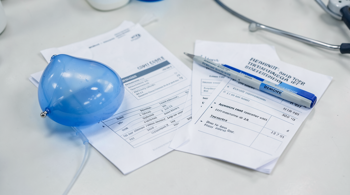
When coverage is absent, the patient typically faces the full self-pay amount rather than only a deductible or coinsurance balance. A rare exception may require documentation, prior authorization, and an appeal, but a provider's medical recommendation does not automatically override a categorical plan exclusion. Health savings account eligibility and financing terms also depend on applicable rules and the details of the arrangement. 6
Eligibility, procedure, and ongoing care
An intragastric balloon is a temporary weight-management device placed through the mouth, generally using an endoscope for systems that require endoscopic placement. It occupies space in the stomach and is intended to work alongside diet, exercise, behavioral support, and clinical follow-up rather than as a stand-alone treatment. The FDA identifies intragastric balloons as weight-loss devices with device-specific eligibility and safety information for appropriately selected adults with obesity. 7
Program duration affects value and logistics because the treatment may involve preparation, placement, an adjustment period, monitoring, and removal or natural passage. The clinical package can therefore extend beyond the day of placement. A price that excludes follow-up, dietary counseling, medications, or removal may not be comparable with a higher quote that bundles those services. 8
Risks and questions before comparing costs
Short-term effects commonly reported after placement include nausea, vomiting, abdominal discomfort, and reflux, particularly during the initial adjustment period. Additional evaluation or early removal may create expenses beyond the original quote, and treatment of an intolerance or complication may be billed separately. These medical uncertainties are important when assessing the total financial commitment, because the advertised procedure price may not represent the maximum possible cost. 9
- Which balloon model is included, and how long is it intended to remain in place?
- Are placement, anesthesia, endoscopy, removal, and facility fees bundled?
- Are medications, laboratory tests, imaging, and follow-up visits included?
- What happens financially if early removal or additional medical treatment is required?
- Does the written estimate identify financing charges, cancellation terms, and refund rules?
An itemized written estimate is the clearest way to compare providers without mistaking a partial price for a total one. The estimate should identify the device, professional and facility fees, monitoring schedule, nutrition support, medication expectations, and costs that remain outside the package. Clinical suitability, potential side effects, and regulatory information should be reviewed with a qualified healthcare professional rather than judged by price alone. 10
Sources
- LegalClarity
- Spatz Medical
- BodEvolve Bariatric Surgery Center
- GI Solutions LA
- Aetna
- Healthline
- U.S. Food and Drug Administration
- GoodRx
- Yale Medicine
- Mayo Clinic
Authored by MistyMountainView team