Warning signs of congestive heart failure: A clinical analysis of symptoms and risk factors
Understanding the warning signs of congestive heart failure is essential for early detection and the effective management of this complex clinical syndrome 7. While the term may suggest the heart has completely stopped working, congestive heart failure actually refers to a condition where the heart muscle struggles to pump or fill with blood as efficiently as the body requires 3. As the heart’s pumping efficacy declines, blood can back up, leading to fluid congestion in the lungs, legs, and other tissues, which often manifests through a variety of physical symptoms 5, 8. Given that approximately 6.7 million adults in the United States currently live with heart failure, with projections indicating this number will rise to 8.7 million by 2030, recognizing these indicators is a critical aspect of public health awareness 2, 9.
Physiological Basis of Symptom Development
The progression of heart failure is often linked to underlying structural or functional abnormalities, such as coronary artery disease, chronic high blood pressure, or valvular issues 2. When these conditions impair the heart's ability to maintain adequate cardiac output, the body attempts to compensate by retaining water and sodium, which can eventually lead to fluid overload 2. This physiological strain not only impacts the heart but also affects the function of vital organs like the kidneys and lungs, triggering a cascading series of physical symptoms that may intensify over time 3. Recognizing that these symptoms are often progressive is key to seeking appropriate medical evaluation early in the disease course 5.
The FACES Acronym for Early Recognition
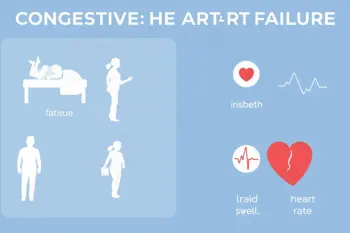
To assist both patients and healthcare providers in identifying potential indicators, the Heart Failure Society of America developed the FACES acronym 1. This tool highlights fundamental warning signs, with the letter F representing fatigue 1. Because the heart is unable to deliver sufficient oxygen-rich blood to meet the metabolic demands of the body, patients often experience an enduring sense of tiredness or exhaustion during daily activities that were previously considered manageable 1, 10. This fatigue is often dismissed as a normal component of the aging process, which can delay the diagnosis of underlying cardiac issues 4.
Common Indicators of Fluid Retention
Fluid retention remains one of the most visible and significant signs of congestive heart failure 7. Patients frequently report swelling in the lower extremities, including the feet, ankles, and legs, or sometimes in the abdomen 2, 8. Rapid, unexplained weight gain is another key indicator of fluid accumulation; many clinical guidelines suggest that a weight increase of two to three pounds within a single day or five pounds within a week should be addressed by a healthcare professional 7. This buildup of fluid can also impact the lungs, leading to a persistent cough or wheezing that may produce mucus 7.
Respiratory Distress and Activity Tolerance
Shortness of breath, medically known as dyspnea, is a hallmark symptom of heart failure, occurring when fluid backs up into the lungs or when the heart fails to meet oxygen demands during physical exertion 2, 3. Patients may notice this breathlessness during routine exercise, at rest, or even while lying flat in bed, which often forces them to use extra pillows to sit upright for comfort 2, 7. This reduction in exercise tolerance is a strong signal that the heart is struggling to maintain necessary output levels, and it often correlates with a decreased ability to perform standard daily tasks 8, 10.
Neurological and Digestive Manifestations
Beyond common respiratory and physical symptoms, heart failure can also manifest through systemic changes. Fluid congestion within the digestive system may result in a loss of appetite, persistent nausea, or a sense of fullness shortly after beginning a meal 7. Furthermore, reduced blood flow to the brain or decreased oxygenation levels can lead to cognitive changes, such as impaired alertness, confusion, or difficulty concentrating 7, 8. Palpitations or an irregular heartbeat may also occur as the heart attempts to compensate for its reduced pumping efficacy, requiring immediate clinical assessment 3, 7.
When to Seek Urgent Medical Attention
While some symptoms of heart failure may develop slowly, certain situations demand immediate medical intervention 5, 8. Urgent care or emergency services should be contacted if an individual experiences severe difficulty breathing, persistent chest pain, fainting, or sudden, acute changes in physical status 7, 8. Other warning signs, such as blue or gray lips or sudden, profound weakness, are critical indicators of medical emergency 7. Proactive monitoring of these signs, particularly for those with known cardiovascular disease, is vital for long-term health management 7.
Sources
- Harvard Health: 5 warning signs of early heart failure
- Sharp HealthCare: What Are the Warning Signs of Heart Failure?
- Johns Hopkins Medicine: Congestive Heart Failure: Prevention, Treatment and Research
- AARP: What Are the Warning Signs of Heart Failure?
- Merck Manual Consumer Version: Heart Failure (HF)
- Merck Manual Professional Edition: Chronic Heart Failure
- Acibadem Hospitals Group: Signs Of Heart Failure: Symptoms And When To Act
- Acibadem Hospitals Group: Congestive Heart Failure: Symptoms & Treatment
- Merck Manual Professional Edition: Overview of Heart Failure
- Carda Health: Heart Failure Symptoms: Early Signs & When to Get Help
Authored by MistyMountainView team