How to identify potential signs of kidney health decline: A Clinical Guide to Symptoms and Testing
How to identify potential signs of kidney health decline begins with understanding that symptoms may be subtle or absent. Changes such as foamy urine, swelling, fatigue, altered urination, itching, or appetite loss can occur with kidney disease, but none confirms a diagnosis by itself. Testing is essential, particularly for people with diabetes, high blood pressure, heart disease, obesity, or a family history of kidney disease. 1
Why early kidney decline is difficult to recognize
Chronic kidney disease is often described as a silent condition because many people have no symptoms during its early stages. The body can maintain fluid and chemical balance despite reduced kidney function for some time, and vague symptoms may be attributed to stress, aging, poor sleep, or another health problem. As a result, routine medical testing may identify kidney damage before a person notices a clear physical change. 2
Symptoms generally become more apparent as kidney damage becomes more advanced, when waste, excess fluid, and mineral imbalances place greater strain on the body. Even then, symptoms are not specific to kidney disease. Fatigue, swelling, nausea, urinary changes, and itching can have several causes, so medical assessment is needed to determine whether declining kidney function is involved. 3
Urine changes that may warrant assessment
Foamy or persistently bubbly urine may indicate protein, including albumin, leaking through damaged kidney filters. Occasional bubbles can occur for other reasons, but frequent or pronounced foam is a change worth reporting to a healthcare professional. Blood in the urine is another important sign. Kidney disease can allow blood cells to pass into urine, although infections, stones, medicines, and conditions affecting the bladder can also cause visible or microscopic blood. 1
Changes in urination frequency can also provide a useful signal. Some people may need to urinate more often, particularly at night, while advanced kidney problems can cause reduced urine output. Pain or burning during urination, difficulty starting the stream, incomplete bladder emptying, or flank and lower-back discomfort can point to a urinary tract or kidney problem, but these features require evaluation rather than self-diagnosis. 4
Swelling and other visible physical signs
Swelling of the ankles, feet, hands, or area around the eyes can occur when the kidneys do not remove enough excess fluid and waste. This swelling, called edema, may be more noticeable in the lower body, although it can affect other areas. Puffy eyes can be particularly noticeable after waking. Persistent or unexplained swelling should be discussed with a healthcare professional because heart, liver, venous, and other conditions can produce similar findings. 1
Dry, itchy skin is another possible sign associated with reduced kidney function, especially when the kidneys can no longer maintain appropriate mineral and nutrient balance. Muscle cramps, particularly in the legs, may also occur when kidney disease contributes to electrolyte disturbances. These symptoms do not measure kidney function directly, and their presence does not establish chronic kidney disease, but recording when they began and whether they persist can help inform a clinical assessment. 1
Energy, appetite, and concentration changes
Declining kidney function can be associated with tiredness, weakness, or reduced energy. Trouble sleeping may occur as well, and some people report difficulty concentrating or a sense of mental fog. These effects may relate to waste buildup or complications of kidney disease, but they are also common in many unrelated conditions. A new, persistent change in energy or thinking therefore deserves attention without being automatically attributed to the kidneys. 1
Reduced appetite, an unpleasant or metallic taste, nausea, and vomiting can appear when waste products accumulate as filtration worsens. These symptoms are more concerning when they occur with swelling, changes in urine output, or known kidney disease. Severe or repeated vomiting can also contribute to dehydration, which may affect kidney function, making the overall clinical context important when symptoms are reviewed by a healthcare professional. 5
Risk factors are often more informative than symptoms
Diabetes and high blood pressure are major conditions associated with chronic kidney disease. Heart disease or heart failure, obesity, older age, and a family history of kidney disease can also increase risk. Some inherited kidney disorders, autoimmune diseases, structural kidney problems, and repeated kidney injury contribute to risk as well. Because early disease may be symptomless, people with these factors should discuss a testing schedule with a healthcare provider. 1
Blood pressure has a two-way relationship with kidney health. High blood pressure can damage kidney filters over time, while impaired kidneys may contribute to higher blood pressure because they help regulate fluid balance and blood-pressure hormones. This relationship means that an unexplained increase in blood pressure can be a reason to review kidney health, although blood pressure alone cannot determine whether kidney decline is present. 3
Tests that can confirm or monitor kidney health
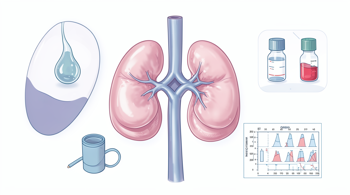
Symptoms cannot reliably detect early chronic kidney disease, so clinicians use blood and urine testing. A blood test estimates glomerular filtration rate, or GFR, which reflects how effectively the kidneys filter blood. A GFR of 60 or more is described by NIDDK as within the normal range, while a result below 60 may indicate kidney disease and should be discussed with a healthcare provider. A GFR of 15 or less is called kidney failure. 2
A urine test measures albumin, a protein that can pass into urine when kidney filters are damaged. The National Kidney Foundation identifies estimated GFR and urine albumin-to-creatinine ratio, or uACR, as two simple tests used to check kidney health. The same measures help monitor diagnosed disease and assess whether treatment is working. Results must be interpreted over time and alongside medical history because a single symptom or test result does not provide the complete picture. 1
When symptoms deserve prompt medical attention
Visible blood in the urine should be medically evaluated because kidney disease is one possible cause, but infections and more serious bladder or kidney conditions must also be ruled out. New or worsening swelling, substantially reduced urination, repeated vomiting, pronounced weakness, or confusion are also symptoms that warrant prompt professional assessment, particularly when kidney disease or another serious medical condition is already known. 4
The most reliable approach to identifying potential kidney health decline is to combine symptom awareness with risk-based testing. Persistent urinary changes, edema, fatigue, sleep problems, appetite loss, itching, or cramps should be documented and discussed rather than used as a basis for diagnosis. People with diabetes, high blood pressure, heart disease, or a family history of kidney failure should ask how often eGFR and urine albumin testing is appropriate for their circumstances. 2
Sources
- National Kidney Foundation, Signs and Symptoms of Kidney Disease
- National Institute of Diabetes and Digestive and Kidney Diseases, Chronic Kidney Disease Tests & Diagnosis
- Mayo Clinic, Chronic kidney disease: Symptoms and causes
- Kidney Care UK, 10 signs you may have kidney disease
- Cleveland Clinic, Kidney Failure
Authored by MistyMountainView team