Effective ways to manage occasional sinus congestion naturally: Evidence, limits, and safe routines
Effective ways to manage occasional sinus congestion naturally begin with practical measures that loosen mucus, support drainage, and reduce irritation. Saline rinsing, fluids, humidified air, steam, warm compresses, rest, and allergy control may provide symptom relief, but they do not all address the same cause or guarantee a rapid recovery.
What occasional sinus congestion means
Sinus congestion occurs when inflammation swells the lining of the nasal passages and sinuses, narrowing airflow and obstructing normal mucus drainage. Common triggers include viruses such as those responsible for colds, allergies, smoke and other irritants, changes in temperature or humidity, and structural issues such as a deviated septum or nasal polyps. Symptoms can include a blocked or runny nose, facial pressure, post-nasal drip, reduced smell, and thicker mucus. 1
Short-lived congestion does not automatically indicate bacterial sinusitis. Acute sinusitis often follows a cold and commonly improves without antibiotic treatment, while symptoms may fluctuate during recovery. The practical goal of natural self-care is therefore comfort, moisture, and mucus movement while the underlying trigger settles. Repeated episodes, symptoms lasting 12 weeks, or persistent disruption to sleep and concentration warrant assessment for causes such as allergy or chronic sinus inflammation. 2
Use saline rinsing carefully
Saline nasal irrigation is among the most direct non-medicated approaches because it can loosen mucus and help wash allergens, irritants, and other material from the nasal passages. Devices include squeeze bottles, bulb syringes, neti pots, and pulsed-water systems. A saline spray may be more convenient for dryness, while irrigation is intended to move solution through the nasal cavity and support drainage. 3
Water safety is essential. Rinses should use distilled or sterile bottled water, or tap water boiled for three to five minutes and cooled before use. Untreated tap water should not be used because it may contain organisms and is not sterile. Saline can be prepared with non-iodized salt, and some instructions include a small amount of baking soda, but the device should be cleaned after use and allowed to dry. 4
Moisture, steam, and warm compresses
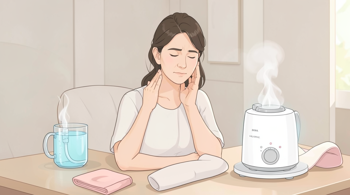
Dry indoor air can irritate nasal tissue and make mucus feel thicker. A cool-mist humidifier or vaporizer may add moisture to the surrounding air, which can soothe irritated passages and support mucus drainage. Humidification is most relevant when heating or air-conditioning has made the air dry. It should be treated as symptom support rather than a cure for the infection, allergy, or irritant that caused congestion. 5
Steam from a warm shower may temporarily moisten nasal passages and loosen thickened mucus. A warm, moist towel placed over the nose, cheeks, and forehead can also ease facial pressure and discomfort. These approaches are short-term comfort measures, so improvement may fade after the exposure ends. Humidifiers and other moisture-producing devices require regular cleaning because the source material emphasizes moisture balance, while not every natural remedy has equally strong evidence. 6
Hydration, rest, and sleeping position
Regular fluid intake can help keep nasal secretions less thick, particularly when congestion occurs alongside fever, sore throat, or a cold. Warm drinks or foods may feel soothing, but no restrictive diet is required for recovery. Hydration supports comfort and mucus consistency, yet it does not eliminate the inflammation itself. Drinking according to thirst and usual health guidance is more appropriate than treating large fluid volumes as a guaranteed decongestant. 7
Rest and sleep allow the body to direct energy toward recovery and may reduce the burden of sinus symptoms. Lying back can help fluid move toward the throat, and elevating the head during sleep may reduce the sensation of mucus pooling. An extra pillow is a simple positional option, although it may not resolve congestion caused by allergies, infection, or structural blockage. Facial pain or fever may require advice about suitable pain relief. 8
Reduce environmental and allergy triggers
Congestion that appears around pollen, dust, smoke, strong odors, or polluted air may reflect irritation or allergy rather than infection. Reducing exposure can be more useful than repeatedly applying a remedy after symptoms begin. Practical environmental measures include avoiding smoke, improving indoor air quality, and considering an air purifier where allergy-related congestion is suspected. The likely trigger matters because sinus symptoms can overlap across colds, allergies, and irritant exposure. 9
Spicy foods containing capsaicin may produce temporary nasal drainage or a sensation of opening, but this response is not the same as treating sinus inflammation. Eucalyptus or peppermint oils may provide a cooling sensation or perceived airway relief, yet essential oils can irritate some people and should not be placed directly into the nose or swallowed. Natural does not mean universally appropriate, and evidence for kitchen remedies and essential oils is less consistent than for saline care. 10
Limits, warning signs, and when to seek care
Self-care is most appropriate for occasional, mild symptoms that are gradually improving. Medical advice becomes more important when congestion persists beyond the expected course, repeatedly returns, or causes substantial problems with sleep, work, energy, or concentration. A clinician may need to distinguish viral illness, bacterial sinusitis, allergy, chronic inflammation, polyps, or a deviated septum. Antibiotics are not routinely appropriate for uncomplicated acute symptoms because many episodes are viral. 1
Symptoms that become severe, last more than 10 days without improvement, or worsen after initially improving can suggest a need for professional evaluation. Fever, marked facial pain, persistent thick drainage, or ongoing fatigue should be considered in context rather than used alone to self-diagnose. A saline rinse should be stopped if it causes significant pain or nosebleeds, and medical guidance is appropriate for recurring or unusually severe congestion. 2
Sources
- Verywell Health, Can These Home Remedies Actually Clear Your Sinus Infection?
- Harvard Health, What to do about sinusitis
- Loyola Medicine, Your sinus relief toolkit: From home remedies to expert care
- eHome Remedies, 17 Home Remedies For Sinus Congestion
- Everyday Health, Natural Decongestants: Home Remedies for Congestion
- American College of Healthcare Sciences, 3 Holistic Remedies for Sinus Support
- Nasodren, How to Treat Acute Sinusitis Safely at Home
- Sleep and Sinus Centers, Natural Remedies vs Medical Treatment for Sinus Infections
- Nasodren, Natural Treatment for Sinus Congestion That May Help
- Mayo Clinic, Neti Pot and Nasal Irrigation Guidance
Authored by MistyMountainView team