Ways to Maintain Energy Throughout the Day: A Comprehensive Research Analysis
Maintaining consistent energy levels throughout the day is a common physiological challenge, often influenced by a complex interplay of sleep quality, dietary choices, hormonal regulation, and environmental factors. Rather than relying on temporary boosts from stimulants, sustainable energy management requires a foundational approach to biological rhythm and nutritional stability 6. Understanding how the body processes fuel and responds to internal and external cues allows for more effective regulation of daily stamina and cognitive focus 9.
The Physiological Foundation of Circadian Rhythm
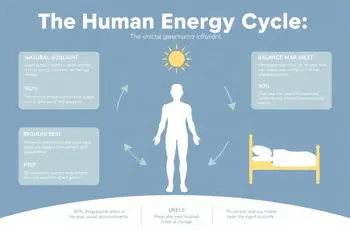
The human body operates on a 24-hour biological cycle known as the circadian rhythm, which acts as an internal clock regulating processes such as alertness, appetite, and body temperature 7. Light exposure serves as the primary environmental cue for this system; obtaining natural sunlight within the first hour of waking can signal the brain to initiate the day, thereby reinforcing wakefulness hormones and supporting better sleep-wake alignment 1. Conversely, excessive screen time or bright light exposure during the evening can disrupt this rhythm, complicating the ability to achieve restorative sleep 7.
Achieving consistent, high-quality sleep-ideally seven to nine hours of uninterrupted rest-is arguably the most significant factor in maintaining sustained energy 5. During rapid eye movement (REM) sleep, the body undergoes restorative processes that stabilize emotions and maintain cognitive functionality 1. When sleep quality fluctuates, the circadian rhythm struggles to regulate internal systems, leading to persistent fatigue and decreased motivation 1. Consistency in bedtime and wake-up times remains essential for keeping these biological mechanisms balanced over the long term 1.
Nutritional Strategies for Blood Sugar Regulation
Dietary habits represent one of the most direct avenues for managing energy fluctuations. The consumption of refined carbohydrates and high-sugar foods frequently leads to rapid spikes in blood glucose, followed by an inevitable insulin-driven crash, which manifests as brain fog and physical exhaustion 6. To counter this, focusing on balanced meals that combine protein, fiber, and healthy fats is recommended, as these nutrients digest at a more moderate pace and provide a steady supply of energy to cells 2.
Rather than relying on large, infrequent meals, adopting a schedule of eating every three to four hours can help prevent long gaps that leave an individual overly hungry or fatigued 3. Complex carbohydrates, such as whole grains and vegetables, represent a superior fuel source compared to simple sugars, offering sustained rather than volatile energy levels 4. Furthermore, incorporating iron-rich foods like lean beef can support hemoglobin production, which is essential for efficient oxygen transport throughout the body, thereby directly mitigating a common physiological cause of fatigue 8.
The Role of Hydration and Micronutrients
Hydration is frequently overlooked, yet even mild dehydration-defined as a loss of 1% to 3% of body weight-can lead to significant reductions in cognitive performance and physical energy levels 13. Water is essential for the metabolic processes that convert food into usable energy; as such, maintaining consistent fluid intake is necessary to support optimal organ function and concentration 2. While caffeine can block adenosine receptors to temporarily reduce perceived fatigue, it should be used strategically and not as a replacement for proper nutrition or hydration 6, 16.
Physical Activity and Movement Patterns
Regular physical activity functions as a powerful regulator of energy, primarily by improving circulation and enhancing the delivery of oxygen to muscles and the brain 1. Engaging in exercise triggers the release of hormones like adrenaline, which can suppress feelings of pain and fatigue while increasing alertness for several hours post-workout 4. However, intensity management is critical; workouts should be designed to invigorate rather than exhaust, as excessive strain can lead to further depletion of energy reserves 4.
For those experiencing a mid-afternoon energy slump, short bursts of movement, such as a ten-minute walk or light stretching, can be highly effective in increasing blood flow 5. These micro-breaks serve to reset mental resources, preventing the cognitive burnout often associated with prolonged periods of sedentary concentration 17. Utilizing techniques like the Pomodoro method can help structure these intervals, ensuring that periods of intense focus are balanced with necessary, low-intensity recovery periods 17.
Strategic Napping and Stress Management
When natural energy dips become unavoidable, a power nap of 15 to 20 minutes can serve as an effective tool for resetting alertness 14. This duration is specifically chosen to avoid the onset of sleep inertia, which is the grogginess experienced upon waking from deep sleep, and generally does not interfere with the ability to fall asleep at night 14. Napping beyond this window can lead to deeper sleep cycles that may leave a person feeling more fatigued after waking than they were before the nap.
Emotional and mental energy also play critical roles in overall stamina. Chronic stress activates the body’s cortisol response, which can create a significant energy drain, particularly during the afternoon hours 20. Implementing stress management techniques, such as mindfulness or structured breaks, can help mitigate this cortisol-driven fatigue 20. Acknowledging the different types of energy-physical, mental, emotional, and social-is a necessary step in recognizing when one’s reserves are low and applying the appropriate recovery method 10.
Medical Oversight and Persistent Fatigue
While lifestyle adjustments such as optimizing sleep, refining diet, and increasing movement are effective for many, persistent or unexplained fatigue may indicate underlying medical conditions 2. Conditions such as sleep apnea, restless leg syndrome (RLS), insomnia, or narcolepsy often require professional clinical evaluation 4. Individuals who maintain a consistent sleep schedule and balanced nutrition but still experience chronic exhaustion should seek consultation with a medical professional to rule out metabolic or chronic fatigue-related issues 2.
Sources
- Verywell Health: 5 Small Changes That Can Improve Energy
- Acibadem Hospitals Group: Steady Energy and Meal Timing
- EatingWell: Best Eating Schedule for Energy
- Health.com: 7 Tips to Increase Energy Levels
- Iowa State University: Beating the Afternoon Slump
- Nutrition Promise: How to Maintain Energy Levels
- One Motiva: Circadian Rhythm and Energy Management
- Prevention: 12 Dietitian-Recommended Foods
- Harvard Health Publishing: 9 Tips to Boost Energy
- Metro Unfold: Managing Energy Throughout the Day
- Mayo Clinic: Dehydration and Cognitive Function
- Sleep Foundation: Power Napping Guidelines
- Cleveland Clinic: How to Boost Energy
- National Institutes of Health: Circadian Rhythm and Alertness
- Healthline: Caffeine and Fatigue Reduction
- Forbes: Importance of Work Breaks
- WebMD: High-Protein Snacks for Sustained Energy
- CDC: Sleep and Metabolic Health
- Psychology Today: The Science of Energy and Stress
Authored by MistyMountainView team