Recognizing the warning signs of kidney disease in adults: A clinical analysis of indicators and risks
Recognizing the warning signs of kidney disease in adults is a critical component of preventative health, particularly because the condition is often characterized as a silent disease 1. Estimates suggest that more than 35 million adults in the United States, or approximately one in seven, live with chronic kidney disease (CKD), yet the vast majority remain unaware of their condition until significant damage has occurred 3, 4. Because kidney function can decline by up to 90% without presenting overt symptoms, understanding the subtle shifts in physiological health is essential for early detection and intervention 10.
The Physiological Role of the Kidneys
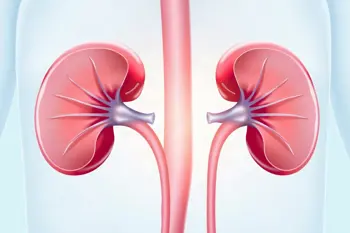
The kidneys function as the body's primary filtration system, processing roughly 150 quarts of blood daily to remove metabolic waste, toxins, and excess fluids 6. Beyond filtration, these bean-shaped organs are essential for endocrine functions, including the production of hormones that stimulate red blood cell creation, the activation of vitamin D for bone health, and the regulation of blood pressure 1, 5. When these structural units are damaged, the body struggles to maintain homeostasis, leading to the systemic accumulation of uremic toxins 3, 7.
Because the kidneys contribute to various bodily processes, their decline impacts virtually every organ system 6. The loss of function may be gradual, as seen in chronic kidney disease, or sudden, as observed in acute kidney injury caused by infection, dehydration, or medication-related distress 7. Monitoring these subtle functional shifts is the most reliable way to identify potential kidney dysfunction before the condition reaches an irreversible, advanced stage 4, 8.
Recognizing Common Clinical Indicators
While early-stage disease often presents with few to no signs, several specific indicators may emerge as kidney function declines. A frequent sign is the appearance of foamy or bubbly urine, which often indicates the presence of protein, a state known as proteinuria 2. Additionally, swelling in the lower extremities-specifically the feet and ankles-occurs when the kidneys fail to effectively regulate sodium levels and fluid balance, resulting in edema 2, 4.
Fatigue and diminished energy levels are also common, stemming from a decrease in erythropoietin production, which leads to anemia 5. Other clinical observations include:
- Persistent itching or dry skin resulting from mineral and bone imbalances.
- Increased frequency of urination, particularly during nocturnal hours.
- Unexplained nausea, loss of appetite, or a persistent metallic taste in the mouth due to uremic toxin buildup.
- Muscle cramping, often linked to electrolyte imbalances such as abnormal calcium or phosphorus levels.
- Puffy eyes, particularly in the morning, which can indicate fluid retention.
Identifying High-Risk Populations
Clinical data indicates that approximately 33% of adults in the United States possess one or more risk factors that elevate their likelihood of developing kidney disease 2. Identifying these risk factors is vital for individuals to initiate appropriate discussions with their healthcare professionals. The most prevalent causes of long-term kidney damage are diabetes and high blood pressure, which collectively account for a significant portion of CKD cases 4, 10.
Beyond these two conditions, other significant risk factors include cardiovascular disease, obesity, and a family history of genetic kidney disorders like polycystic kidney disease 1, 7. Age is another non-avoidable factor, as the risk of kidney dysfunction naturally increases as the body ages 1, 8. Individuals with these clinical histories are often advised to undergo routine blood and urine screenings to monitor their renal health proactively 2.
Clinical Diagnostic Methods
Because symptoms are often insufficient for diagnosis, clinicians rely on objective laboratory testing to assess kidney health. The two primary screening tools are the estimated Glomerular Filtration Rate (eGFR), which measures how effectively the kidneys filter waste from the blood, and the urine Albumin-to-Creatinine Ratio (uACR), which checks for the presence of protein in the urine 2, 10. These tests are simple, widely available, and considered the gold standard for detecting early renal impairment 2.
| Test Type | Function |
|---|---|
| eGFR (Blood) | Evaluates the filtration efficiency of the kidneys. |
| uACR (Urine) | Detects the leakage of albumin, a sign of structural damage. |
| Blood Pressure Check | Monitors systemic pressure to gauge kidney regulation efficacy. |
These screenings allow physicians to detect kidney issues at a stage where lifestyle adjustments and medical management can potentially slow or stop further damage 3, 6. It is important to note that a single abnormal test does not always confirm permanent disease, as temporary conditions like dehydration can sometimes influence results, necessitating follow-up diagnostic appointments 8.
Managing Risks and Long-Term Maintenance
While chronic kidney disease is generally considered irreversible once it progresses to advanced stages, managing underlying health conditions is the most effective way to prevent or delay its onset. Strict blood sugar control for patients with diabetes and consistent blood pressure regulation are the primary strategies for preserving kidney function 3, 10. Lifestyle modifications, including maintaining a healthy weight and staying physically active, also play a substantial role in reducing the burden on the renal system 3.
Furthermore, patients are often cautioned about the use of specific medications that may be nephrotoxic or harmful to kidney tissue over time. Regular consultations with a primary care provider or a nephrologist ensure that any medications or supplements are evaluated for their potential impact on renal health 10. Staying informed about these clinical realities allows individuals to take a more active role in their own long-term health maintenance.
Conclusion: The Necessity of Proactive Monitoring
The inherent difficulty in detecting kidney disease stems from the fact that it often remains asymptomatic until the kidneys are significantly compromised 5. Because this condition can affect every cell and organ in the body, failing to recognize potential signs can lead to severe health complications 6. Through a combination of regular blood and urine testing and a comprehensive understanding of personal risk factors, individuals can significantly improve their chances of early detection and long-term management.
The current consensus in medical practice is that individuals, especially those with hypertension, diabetes, or a family history of kidney disease, should not wait for symptoms to appear before seeking professional evaluation 2, 4. Regular, preventative engagement with a healthcare team is the most effective approach to ensuring the continued health and function of these vital organs.
Sources
- Mayo Clinic - Chronic kidney disease symptoms and causes
- National Kidney Foundation - Signs and Symptoms of Kidney Disease
- NIDDK - What Is Chronic Kidney Disease in Adults?
- Stony Brook Medicine - Kidney Disease: Early Signs, Causes, Stages and Prevention
- AdventHealth - What Are the Symptoms of Kidney Disease?
- NIH News in Health - Curbing Chronic Kidney Disease
- University Health - Understanding Kidney Disease
- Acibadem Hospitals Group - Kidney Disease: Early Signs and Treatment
- Acibadem Hospitals Group - Kidney Disease Symptoms: Causes and When to Seek Care
- Prevention - 7 Subtle Symptoms of Kidney Disease Doctors Want You to Know
Authored by MistyMountainView team