Ways to manage sinus pressure at home: Clinical perspectives on symptom relief and supportive care
Understanding Sinus Pressure and Its Physiological Basis
Sinus pressure is frequently characterized by a sensation of fullness, heaviness, or aching centered around the forehead, cheeks, eyes, and nose 2. Anatomically, the sinuses consist of air-filled cavities situated within the facial bones that function as rooms adjacent to the nasal hallway 1. When these tissues become inflamed due to viral infections, seasonal allergies, or other pathogens, the resulting congestion can create significant discomfort 1, 5. This inflammation narrows the drainage pathways, leading to mucus accumulation and a feeling of pressure that often intensifies when an individual bends forward 2, 6.
While many cases of sinus congestion are temporary and resolve through supportive care, chronic sinusitis involves inflammation that may persist for months, often linked to bacterial, viral, or fungal sources 1. Structural factors, such as a deviated septum or the presence of nasal polyps, can further complicate drainage and increase susceptibility to recurrent pressure 1, 5. It is essential to recognize that sinus pressure is a symptom rather than a specific diagnosis, meaning that conditions like migraines or barometric pressure changes can sometimes mimic the sensations typically associated with sinus inflammation 8, 9.
Evidence-Based Home Care for Mucus Clearance
Saline nasal irrigation serves as a primary method for physically flushing out mucus and irritants from the nasal cavity, thereby helping to clear the drainage pathways 6. To perform this procedure safely, medical guidelines emphasize the importance of using only distilled, sterile, or previously boiled and cooled water to prevent the introduction of harmful pathogens into the nasal passages 6, 14. Rinsing can be performed using various devices, provided they are kept clean and maintained according to professional hygiene standards 14.
In addition to irrigation, maintaining systemic hydration is frequently recommended to support the body in thinning secretions, making them easier to clear through natural drainage processes 6, 12. While steam inhalation is widely utilized for temporary comfort, it primarily acts to add moisture to dry nasal tissues and loosen thick mucus rather than curing an underlying infection 9. Caution is required when using steam to avoid thermal injuries, particularly among children; safer alternatives such as the use of a cool-mist humidifier or applying a warm, moist washcloth to the face are often preferred to manage localized facial pain 9, 12.
The Role of Over-the-Counter Medications
When self-care measures alone are insufficient, various over-the-counter (OTC) medications may assist in managing symptoms. Non-prescription pain relievers such as ibuprofen or acetaminophen are commonly utilized to address facial pain and sinus-related headaches, provided they are taken according to clinical guidance and labeling instructions 12. Intranasal corticosteroid sprays can be effective for reducing inflammation associated with allergic triggers, though these typically require several days of consistent use to achieve maximum therapeutic effect 12, 16.
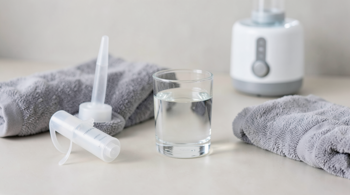
Conversely, topical nasal decongestant sprays should be managed with strict oversight. These products are generally not recommended for use beyond three consecutive days, as prolonged application can lead to rebound congestion, where nasal symptoms worsen upon discontinuation 17, 19. Furthermore, individuals with underlying health conditions-such as hypertension, heart disease, glaucoma, or prostate issues-should consult with a healthcare professional or pharmacist before initiating the use of oral decongestants to avoid potential adverse interactions 12, 19.
Environmental and Lifestyle Considerations
Supporting the recovery process involves minimizing exposure to external irritants that can exacerbate nasal and sinus swelling. Tobacco smoke, including secondhand smoke, acts as a significant irritant that can aggravate inflammation within the nasal passages, potentially delaying the resolution of symptoms 12, 20. Maintaining a clean environment and utilizing humidification in dry indoor settings can also contribute to consistent comfort and improved drainage efficiency 12, 15.
| Measure | Primary Benefit |
|---|---|
| Saline Rinse | Flushes mucus and irritants |
| Hydration | Thins secretions for easier drainage |
| Warm Compress | Soothes localized facial pain |
| Cool-mist Humidifier | Adds moisture to dry air |
When to Seek Professional Medical Evaluation
Most acute sinus infections are viral in origin and tend to improve with time and supportive care rather than requiring antibiotic intervention 7, 15. However, medical assessment is necessary if symptoms persist for more than 10 days without improvement or if a patient experiences a worsening of symptoms after an initial period of feeling better 2, 15. Recurrent or severe cases require a professional examination to rule out structural issues, nasal polyps, or other non-sinus conditions like migraine disorders 8, 21.
Urgent medical attention is indicated if specific high-risk signs appear. These warning symptoms include, but are not limited to, high fever, severe swelling or redness around the eyes, significant vision changes, a stiff neck, confusion, or a severe, sudden-onset headache 2, 12, 18. A clinician can evaluate these signs to distinguish between routine viral inflammation and more serious complications that may require specialized diagnostic imaging or targeted therapy 2, 18.
Summary of Clinical Recommendations
Effective management of sinus pressure centers on balancing symptom relief with an awareness of when home measures have reached their limit. The focus remains on gentle techniques that support the body's natural drainage, such as irrigation and hydration, while maintaining a cautious approach to pharmacological interventions 6, 7. By monitoring the duration and severity of symptoms, individuals can better determine the transition from at-home supportive care to professional clinical evaluation, ensuring that underlying conditions are diagnosed and managed appropriately 2, 8.
Sources
- CVS Pharmacy: Ways to help manage sinus pressure
- Acibadem International: How to Relieve Sinus Pressure in Face
- Harvard Health: How to get rid of a sinus headache
- Harvard Health: What to do about sinusitis
- Loyola Medicine: Your sinus relief toolkit
- Sleep and Sinus Centers: How to Drain Sinuses at Home
- Acibadem International: OTC Treatment Sinus Infection
- Acibadem International: Sinus Pressure Without Congestion
- Acibadem International: Steam Inhalation For Sinus Pressure
- Liv Hospital: How to Relieve Sinus Pressure Naturally at Home
- Mayo Clinic: Sinusitis Diagnosis and Treatment
- Cleveland Clinic: Sinusitis Health Information
- MedlinePlus: Sinusitis Overview
- U.S. Food and Drug Administration: Using Nasal Rinses Safely
- Centers for Disease Control and Prevention: Antibiotic Use and Sinus Infections
- Johns Hopkins Medicine: Sinusitis Care
- ENT Health: Treatments for Sinusitis
- National Health Service: Sinusitis Treatment
- Mount Sinai: Sinusitis Conditions
- Penn Medicine: Warning Signs of Sinusitis
- Healthdirect Australia: Sinusitis Advice
- American Academy of Family Physicians: Sinusitis Management
Authored by MistyMountainView team