Warning signs of a stroke: Understanding the BE FAST protocol and clinical indicators
Understanding the Physiological Impact of a Stroke
A stroke, often described as a brain attack, occurs when the blood supply to the brain is interrupted or reduced 1. This disruption prevents oxygen and essential nutrients from reaching brain tissue, causing cells to begin dying within minutes 2. Because the brain relies on a constant, intricate network of blood vessels, any blockage or rupture constitutes a medical emergency that necessitates immediate intervention 6. Approximately 795,000 individuals experience a stroke annually in the United States, emphasizing the need for widespread awareness of its sudden onset 3. Statistics indicate that a stroke occurs every 40 seconds in the country, with nearly 800,000 people affected each year 9.
Clinical classification typically divides strokes into two primary categories: ischemic and hemorrhagic. An ischemic stroke, which accounts for approximately 85 percent of all cases, occurs when a blood clot obstructs a vessel 6. Conversely, a hemorrhagic stroke involves a blood vessel that bursts, leading to bleeding within or around the brain 4. Regardless of the specific cause, the phrase time is brain characterizes the clinical urgency, as every minute without restored blood flow results in the loss of nearly 1.9 million brain cells 6.
The BE FAST Assessment Framework
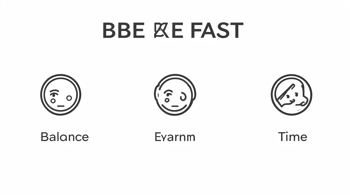
To standardize the recognition of stroke symptoms, medical organizations have moved from the traditional FAST model to the expanded BE FAST acronym. This framework assists observers in identifying neurological deficits quickly 2. The B stands for balance, representing a sudden loss of coordination or instability 2. The E refers to eyes, noting sudden vision changes or loss of sight in one or both eyes 2. The remaining letters, F.A.S.T., address the core indicators of facial, motor, and speech impairment 4.
- B: Balance - Sudden loss of balance, dizziness, or coordination issues.
- E: Eyes - Sudden vision impairment or loss of vision in one or both eyes.
- F: Face - Facial drooping or numbness, often identified by an uneven smile.
- A: Arm - Sudden weakness or numbness, frequently tested by checking for arm drift.
- S: Speech - Slurred speech, difficulty communicating, or confusion.
- T: Time - Immediate need to call 911 upon observing any of these symptoms.
Recognizing Clinical Warning Signs
Stroke symptoms appear suddenly and vary significantly depending on the area of the brain affected 1. Common indicators include sudden weakness or numbness of the face, arm, or leg, typically occurring on one side of the body 1. Verbal communication disturbances, such as the inability to articulate words or comprehend speech, are frequently reported clinical signs 3. In instances where a hemorrhagic stroke occurs, a patient may experience a severe, sudden-onset headache without a known cause, which serves as a critical red flag 1.
Less conventional symptoms can also manifest during a neurological event. These include sudden nausea or vomiting unrelated to viral illness, as well as brief episodes of confusion or alterations in consciousness 1. Some individuals may experience seizures or complete loss of consciousness 1. Because these symptoms are often subtle or transient, individuals are advised to remain vigilant regarding any sudden, abnormal change in their physical or cognitive state that impairs daily function 3.
The Significance of Transient Ischemic Attacks
A Transient Ischemic Attack (TIA), frequently described as a mini-stroke, acts as a critical warning sign for a potential major stroke 1. During a TIA, blood flow to the brain is briefly interrupted, causing symptoms that mimic a standard stroke but typically resolve within a few minutes to an hour 1. Despite the resolution of symptoms, a TIA is a medical emergency that indicates a high short-term risk for permanent stroke 1. Standard medical practice dictates that a TIA requires urgent evaluation by a specialist within 24 hours 1.
Risk Factors and Preventive Considerations
While strokes can affect anyone regardless of age or gender, certain medical conditions increase the risk profile of an individual. Managing chronic conditions is a primary strategy for stroke prevention, as many risk factors are controllable through medical oversight 4. Table 1 summarizes key variables associated with elevated stroke risk as identified in clinical literature.
| Risk Category | Description |
|---|---|
| Blood Pressure | High blood pressure is a leading controllable factor. |
| Metabolic Health | Diabetes, obesity, and cholesterol levels influence risk. |
| Lifestyle | Smoking and heavy alcohol use are linked to stroke incidence. |
| Demographics | Risk increases with age, though 10% of strokes occur under 45. |
The Necessity of Immediate Emergency Care
Upon identifying any symptoms consistent with the BE FAST acronym, immediate contact with emergency services is the only appropriate response 4. Delaying care to wait for symptoms to improve is a common mistake that can significantly worsen long-term outcomes 8. Emergency departments utilize advanced imaging techniques, such as CT scans, to determine the nature of the stroke and administer time-sensitive treatments like clot-busting medications or surgical interventions 8. Early diagnosis and rapid medical response are strongly linked to lower mortality rates and reduced potential for long-term disability 8.
Sources
- Johns Hopkins Medicine. Stroke. Retrieved May 18, 2026.
- Mayo Clinic News Network. Mayo Clinic Minute: Recognize the sudden warning signs of stroke. Retrieved May 12, 2026.
- Dartmouth Health. How Do You Know If You're Having a Stroke? Retrieved August 12, 2026.
- Scripps Health. Stroke Symptoms: Know the BE FAST Warning Signs. Retrieved August 12, 2026.
- Harvard Health Publishing. Stroke Overview. Retrieved January 27, 2026.
- UNC Health Talk. How to Recognize a Stroke. Retrieved May 1, 2026.
- UCI Health. Do you know the signs of stroke? Retrieved May 1, 2026.
- Acibadem Hospitals Group. Stroke Symptoms: FAST Signs And Emergency Treatment. Retrieved June 27, 2026.
- Lone Star Neurology. Recognize Stroke Symptoms In 60 Seconds. Retrieved June 26, 2026.
Authored by MistyMountainView team