Fly and explore Japan in 10 days: A Comprehensive Guide to the Golden Route
Understanding the Golden Route Infrastructure
For first-time visitors, the standard 10-day itinerary typically centers on the Golden Route, which efficiently bridges Japan's most prominent urban centers: Tokyo, Kyoto, and Osaka 6. This logistical arc is designed to minimize travel fatigue while maximizing exposure to both historic traditions and contemporary city life 2. Most planners recommend an open-jaw flight strategy, where a traveler arrives in Tokyo and departs from Kansai International Airport (KIX) near Osaka, eliminating the need to backtrack across the country at the end of the trip 2, 5.
The efficiency of this route relies heavily on the Tokaido Shinkansen, which provides high-speed connectivity between Tokyo and Osaka in approximately two and a half hours 1, 10. While travelers can manage the transit independently, successful execution requires advance coordination regarding seat reservations, particularly during peak travel seasons 2. The pacing of a 10-day trip often allocates three to four days in Tokyo, three days in Kyoto, and two to three days in Osaka, leaving room for day excursions to nearby cultural sites like Nara or Hakone 6, 8.
Essential Logistics and Pre-Travel Preparation
Navigation within Japan is facilitated by a robust, highly integrated public transportation network 4. International visitors are encouraged to secure an IC card, such as Suica or Pasmo, which acts as a prepaid, rechargeable medium for local subways, buses, and small-scale purchases at convenience stores 3, 4. For those intending to traverse the country via the Shinkansen, the Japan Rail (JR) Pass is often evaluated for its cost-effectiveness, provided the travel frequency justifies the upfront expense of the pass 1, 7.
Digital connectivity remains a cornerstone of successful independent travel. Reliable access to navigation, translation, and local transit schedules is best maintained through the rental of pocket Wi-Fi units or the procurement of local eSIM services prior to departure 3, 8. Furthermore, travelers from the United States typically benefit from visa-free entry for tourism for up to 90 days, though it is always necessary to verify current border requirements through official consular sources before travel 2, 6.
Navigating Tokyo: The Metropolitan Gateway
Tokyo usually serves as the inaugural point for the 10-day journey, offering a dense concentration of neighborhoods that contrast historic preservation with futuristic development 1. Common areas of focus include Shibuya, Shinjuku, and the historic Asakusa district, home to the notable Senso-ji Temple 2, 3. Travelers often choose to stay near major transport hubs like Tokyo, Shimbashi, or Shibuya stations to reduce travel friction during their initial arrival and throughout their exploration of the city 3.
The sheer scale of Tokyo can be demanding for new arrivals. Consequently, many itineraries suggest reserving the first few days for orientation, allowing time to adjust to time zone differences and familiarize oneself with the ticketing systems and local etiquette before venturing further afield 3. Optional day trips from Tokyo, such as excursions to Lake Kawaguchiko for views of Mount Fuji or the coastal city of Kamakura, are also frequently integrated into this opening segment of the trip 6, 7.
Kyoto: The Heart of Historic Japan
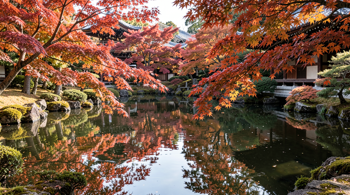
Kyoto is the cultural center of the route, boasting 17 distinct UNESCO World Heritage sites 3. The city is noted for its high density of temples, traditional gardens, and historical districts such as Gion 1, 3. Because of the breadth of historical sites, a stay of three to four days is frequently advised to cover major landmarks like Fushimi Inari Shrine and Kinkaku-ji without feeling rushed 3, 7.
A common addition to a stay in Kyoto is a day trip to Nara, located a short train ride away 1, 5. Nara Park is distinguished by its large population of wild sika deer, which roam freely and interact with visitors, alongside significant historical sites like Todai-ji Temple 6, 7. Travelers should anticipate that popular sites in Kyoto can become crowded, and timing visits for early morning or late afternoon can often improve the quality of the experience 4.
Osaka: Culinary Culture and Departure Logistics
Osaka is frequently described as the food capital of Japan, providing a distinct contrast to the more temple-focused environment of Kyoto 1. The Dotonbori district is recognized for its vibrant street food culture, featuring staples such as takokoyaki and okonomiyaki 5. As an urban center, Osaka serves as an efficient base for further regional day trips, including potential visits to Hiroshima and Miyajima Island 1, 4.
For those departing from Kansai International Airport (KIX), Osaka serves as a practical final destination, offering convenient express train connections to the airport in roughly one hour 1. This reduces the complexity of travel logistics on the final day, allowing for a more seamless transition toward the departure process. Travelers are encouraged to review airport transfer schedules to align with their specific flight times, ensuring sufficient buffer for check-in procedures 1.
Seasonal Considerations and Planning Realities
The optimal timing for a 10-day trip to Japan is heavily influenced by the seasons, with late March to early April (cherry blossom season) and November (autumn foliage) being the most sought-after periods due to the landscape's aesthetic appeal 1, 9, 10. However, these periods also correspond with peak visitor traffic, which necessitates booking accommodations and transit well in advance of the intended travel dates 2.
Travelers must remain cognizant of the potential for fatigue associated with a 10-day pace. While the Golden Route is well-established, it involves frequent movement between hotels and urban centers 5. Maintaining a balance between structured sightseeing and unplanned downtime is essential for a sustainable pace. By understanding the regional characteristics of each city and utilizing the provided transport infrastructure, travelers can cultivate an experience that is both efficient and reflective of the diverse Japanese landscape 6.
Sources
- Japan Activity: 10 Day Japan Itinerary
- TOMOGO: 10 Day Japan Itinerary 2026
- JOC Japan Travel: 10-Day First Trip to Japan
- Japan Guide Tips: 10-Day Japan Itinerary (2026)
- Varied Lands: The Perfect 10 Day Japan Itinerary
- Packzup: 10 Days in Japan Itinerary
- JAPANODE: 10-Day Japan Itinerary
- INNspiring Travels: 10 Day Japan Travel Itinerary
- Travel Story Makers: Japan in 10 Days
- Jaya Travel: 10 Day Japan Itinerary
Authored by MistyMountainView team