Find the best gardening clubs in my area: An Investigative Guide to Horticulture Networking
Identifying local gardening organizations often begins with utilizing established national or regional horticultural directories, which provide a centralized way to discover community-focused clubs 1. Whether a gardener is a novice or an experienced horticulturalist, these societies function as collaborative hubs for sharing localized knowledge, plant materials, and expertise on regional soil conditions or climate-specific challenges 2. Researching available clubs is a primary step in building a local gardening network, and most active groups maintain digital footprints detailing their specific meeting schedules, event calendars, and community initiatives 3.
The Value of Horticultural Societies and Clubs
Gardening clubs offer more than just social interaction; they provide structured environments for education and skill development. Many societies facilitate exclusive access to gardens, private plant collections, and specialized workshops that are not routinely available to the general public 2. Participation often includes access to plant and seed exchange schemes, which can be particularly beneficial for those looking to acquire rare or heirloom varieties 2. Furthermore, these organizations frequently serve as a point of contact for expert advice on plant health, pest management, and cultivation techniques specific to the local topography 2.
Membership also encourages consistent engagement through regular meetings, lectures, and organized tours. For example, some clubs feature monthly presentations from guest speakers, while others prioritize hands-on activities such as seasonal bulb planting, propagation workshops, or guided visits to regional farms and nurseries 3, 4, 5. These interactions foster a communal atmosphere where members can troubleshoot challenges and share triumphs, creating a repository of institutional memory that helps sustain successful community gardening over the long term 7.
Identifying Regional Gardening Resources
To locate a club, researchers should prioritize regional bodies that maintain updated databases. For instance, the Garden Clubs of Australia provides a structured locator service where clubs can be searched by zone or district, ensuring that individuals find groups within their immediate geographic vicinity 1. Organizations such as these often have standardized reporting systems, allowing prospective members to view meeting times, contact details, and, in some cases, verify membership authorization statuses to ensure a reputable organizational standard 1.
| Resource Type | Primary Function | Accessibility |
|---|---|---|
| National Directories | Search and verification of regional clubs | High (Online) |
| Local Society Websites | Event updates and meeting schedules | High (Online) |
| Community Notices | Local bulletins and public forums | Moderate (In-person) |
Beyond national directories, independent clubs often operate via community centers or village halls, making physical bulletin boards or local government websites useful secondary sources for discovery 6, 9. Prospective members are often encouraged to attend a meeting as a visitor before committing to a full annual subscription, allowing them to assess the club's focus and whether the group’s activities align with their personal interests 4, 7.
Core Membership Expectations and Organizational Structure
Most local gardening clubs operate on a seasonal calendar, typically balancing active garden months with lecture-heavy schedules during dormant periods 7. Membership structures often include an annual fee, which provides administrative coverage for speakers, venue rentals, and insurance, while simultaneously granting members priority access to excursions and specialized events 7. It is common for these clubs to be led by a committee that manages the annual general meeting and coordinates large-scale efforts such as plant sales or village shows 6, 9.
Transparency in organizational communication is a hallmark of well-established groups. Many clubs maintain active communication channels, such as email newsletters, social media groups, or dedicated messaging platforms, to share informal advice and updates between meetings 3. Potential members should look for evidence of such ongoing engagement, as it often correlates with a more vibrant and supportive community environment. Additionally, verify if the club is affiliated with larger bodies like the Royal Horticultural Society, which can signify adherence to established horticultural best practices 9.
Environmental and Community Contributions
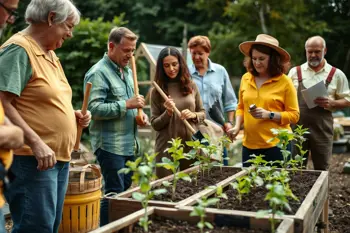
Gardening clubs are increasingly involved in broader community outreach programs. Many groups facilitate volunteer leadership in public spaces, such as managing school gardens, maintaining town planters, or participating in regional horticultural shows 8. These activities provide a dual benefit: they enhance the local environment and provide members with practical, hands-on experience in managing larger, community-scale projects 8. Engaging in these initiatives allows individuals to contribute to public welfare while simultaneously refining their own gardening skills.
For those interested in technical or specialized gardening, some clubs align their programming with university-backed horticulture training, ensuring that members have access to research-based practices 8. This is particularly useful for members interested in topics like sustainable growing, peat-free composting, or biodiversity conservation, as clubs often host experts who can discuss the latest developments and challenges in environmental gardening policy 3, 4.
Market Friction and Practical Considerations
When selecting a gardening club, individuals should remain aware of potential friction points. Not all clubs offer the same level of accessibility; while many emphasize inclusion, some may have limited space at certain venues or restricted priority booking for specific high-demand excursions 4, 7. It is advisable to clarify the scope of membership benefits early on, especially regarding whether visitor fees are applicable to all events or if there is a distinction between professional horticulturalists and amateur hobbyists 4, 7.
Furthermore, the physical requirements for participating in certain activities, such as garden tours or field trips, should be considered. While many organizations are committed to providing accessible lecture spaces, outdoor excursions to uneven terrain or rural farms may not always accommodate individuals with specific physical mobility needs 4. Always inquire with club secretaries about the accessibility of specific upcoming events to ensure they match individual requirements before traveling to a meeting or tour site 5, 7.
Managing Expectations for New Joiners
Becoming a member of a local gardening club is generally a straightforward process that begins with direct contact through listed email addresses or phone numbers 7. New joiners should be prepared for varying club cultures, as some are deeply rooted in long-standing tradition-such as those celebrating over a century of history-while others may be newer groups with a contemporary focus on community regeneration and modern cultivation techniques 6, 9. Reviewing a club's recent newsletters or summary of past events can offer significant insight into their typical program density and areas of interest 5, 7.
Ultimately, the effectiveness of a gardening club relies on the active participation of its membership base. By engaging with the local community, attending meetings consistently, and participating in shared labor or social events, members ensure the long-term sustainability of the organization. Those who proactively reach out, ask for guidance, and offer their own expertise will find the most value within these local horticultural networks 2, 7.
Sources
- Garden Clubs of Australia (https://gardenclubs.org.au/locate-a-club/)
- Royal Horticultural Society - Plant Societies (https://www.rhs.org.uk/plants/horticulture-hub/plant-societies)
- East Grinstead Gardening Club (https://www.eastgrinsteadgardeningclub.com/)
- Fagus Gardening (https://fagusgardening.co.uk/)
- Titchfield Gardeners' Club (https://www.titchfieldgardeners.club/)
- Bourne Valley Horticultural Society (https://www.bvhsgardeningclub.com/)
- North Curry & District Gardening Club (https://www.stokestgregory.org/activities/north-curry-gardening-club/)
- Bonner County Gardeners Association (https://bcgardeners.org/)
- Kennington Garden Club (https://kenningtongardencl.wixsite.com/kenningtongardenclub)
- Orchard Park Garden Club (https://www.opgardenclub.org/)
Authored by MistyMountainView team