Gastric balloon results and timeline: A Clinical Analysis of Non-Surgical Weight Management
A gastric balloon is a temporary, non-surgical intervention designed to assist individuals in managing their body weight by occupying space within the stomach to induce a feeling of early satiety 1. By serving as a physical tool for portion control, this endoscopic procedure helps patients adhere to lower-calorie intake requirements without the permanent anatomical alterations associated with traditional bariatric surgeries 7, 8. Understanding the clinical timeline and realistic outcome expectations is essential for patients considering this treatment, as the balloon acts primarily as a supportive measure during a structured lifestyle change program 6, 10.
The Clinical Timeline and Procedure Overview
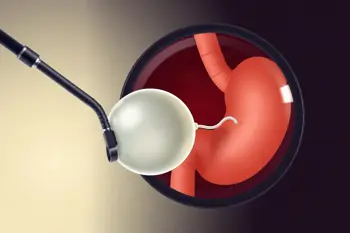
The gastric balloon procedure is performed on an outpatient basis via an endoscopic route, typically requiring about 20 minutes to complete under sedation 5, 8. A soft, silicone-based device is introduced through the esophagus into the stomach and subsequently inflated with a sterile saline solution or gas 2, 7. This device is designed for short-term use, remaining in the stomach for a period of approximately six months before it is endoscopically retrieved 2, 5.
Because the procedure does not involve surgical incisions, staples, or irreversible changes to the digestive tract, it is categorized as a minimally invasive weight-loss therapy 3, 7. Candidates typically meet specific eligibility criteria, most commonly a Body Mass Index (BMI) ranging between 30 and 40, after failing to achieve desired weight loss through supervised diet and exercise interventions alone 3, 13.
Anticipated Weight Loss Metrics
Clinical data derived from pooled studies indicate that gastric balloon therapy provides modest but statistically significant weight reduction while the device is indwelling 2. Research examining the Orbera system suggests an average total body weight loss (TBWL) of approximately 10.2% to 13.2% at the six-month mark 2, 4. Some longitudinal observations report that patients may lose between 10% and 25% of their excess body weight, depending on metabolic factors and adherence to dietary counseling 8, 9.
| Metric | Expected Outcome Range |
|---|---|
| Total Body Weight Loss (TBWL) at 6 Months | 7% to 15% |
| Excess Weight Loss (EWL) | 25% to 57.5% |
| Peak Weight Loss Timing | Months 1 to 3 |
It is noted that weight loss is often most rapid during the first three months of treatment as the patient adjusts to altered hunger signals and reduced portion sizes 11, 18. While some reports suggest higher theoretical ranges of 20% to 30% TBWL in certain clinical cohorts, typical real-world outcomes often cluster between 7% and 15% TBWL 2, 11. These results remain contingent upon the efficacy of the accompanying multidisciplinary behavioral, nutrition, and fitness plans provided by the clinical team 6, 17.
Recovery and Immediate Post-Placement Adjustment
The immediate post-placement phase typically involves a period of physiological adaptation. During the first 24 to 72 hours, many patients experience symptoms such as nausea, abdominal cramping, bloating, and reflux as the gastric mucosa acclimates to the space-occupying device 1, 6. These side effects are common and generally manageable with medical oversight, hydration, and prescribed supportive medications 1, 15.
Dietary progression follows a structured staging process, beginning with clear liquids and gradually advancing to soft, then balanced solid meals under the guidance of a nutritionist 6. Most individuals can return to light daily activities within 72 hours of the procedure, though physical activity intensity is subject to individual tolerance and the advice of the clinical team 6. Persistent symptoms such as inability to retain fluids or severe abdominal pain warrant immediate clinical assessment to ensure patient safety 6.
The Necessity of Long-Term Lifestyle Integration
A critical aspect of the gastric balloon timeline is the transition following the six-month removal period. Because the device is temporary and does not modify the underlying anatomy or biology, weight regain is a statistically frequent occurrence if new dietary and behavioral habits are not firmly established 2. Success is defined not only by the weight lost while the balloon is in place but by the sustainability of the lifestyle changes implemented during the treatment period 1, 9.
Clinical guidelines emphasize that the balloon serves as a temporary aid to facilitate behavioral change rather than a permanent solution 1, 7. Patients who engage in ongoing counseling, structured movement plans, and nutrition monitoring exhibit greater success in maintaining weight loss post-removal 6, 17. The removal of the device requires patients to have already internalized portion control mechanisms, as the physical restriction provided by the balloon is no longer present 1, 8.
Safety, Contraindications, and Risks
While the procedure is considered safe, it carries specific risks that necessitate professional medical evaluation before approval. Individuals with a history of previous gastric surgeries, hiatal hernias, or specific gastrointestinal disorders may be ineligible for the intervention 5. Medical literature has documented safety signals associated with intragastric balloons, including rare but serious complications, reinforcing the importance of being treated in a facility that adheres to established endoscopic bariatric standards 2.
The regulatory context for these devices is significant, with medical society thresholds for success-such as the ASGE PIVI criteria-requiring at least 25% excess weight loss to justify the intervention 2. Potential patients are encouraged to discuss their full medical history, including medication use and pre-existing conditions, to ensure the therapy is appropriate for their individual health profile 1, 5.
Conclusion on Outcomes
The efficacy of the gastric balloon is viewed as a bridge to healthier habits rather than a stand-alone cure for obesity 1, 4. While significant weight reduction can be achieved within the six-month treatment window, the outcomes are highly variable and dependent on the patient's adherence to a multifaceted clinical program 1, 9. By understanding both the physical reality of the balloon and the requirement for long-term behavioral maintenance, patients can set realistic expectations for their weight management journey 5, 7.
Sources
- Acibadem Hospitals Group: Gastric Balloon Before And After
- Weight Loss Rankings: Gastric Balloon for Weight Loss Evidence
- Johns Hopkins Medicine: Gastric Balloon Treatment Guidelines
- Carely Clinic: Orbera Gastric Balloon 6-Month Results
- Torrance Bariatrics: 6-Month Gastric Balloon Results and Expectations
- Acibadem Hospitals Group: Gastric Balloon Recovery Timeline
- American Society for Gastrointestinal Endoscopy: Bariatric Procedures
- Lap Band LA: Realistic Gastric Balloon Weight Loss
- Dr. Caynak: Statistics on Gastric Balloon Outcomes
- Cedars-Sinai: Gastric Balloon Procedure Details
- UCLA Health: Gastric Balloon Weight Loss Programs
- Mayo Clinic: Gastric Balloon Information
- Cleveland Clinic: Gastric Balloon Effectiveness
- Stanford Medicine: Gastric Balloon Overview
- MedlinePlus: Gastric Balloon Patient Instructions
- NIDDK: Weight Management Strategies
- Mount Sinai: Gastric Balloon Support Services
- West Medical: Gastric Balloon Weight Loss Expectations
Authored by MistyMountainView team