Warning signs of lupus: Understanding the clinical indicators and multisystemic nature of the condition
Lupus, medically referred to as systemic lupus erythematosus (SLE), is a complex chronic autoimmune condition in which the body's immune system mistakenly attacks healthy tissues and organs 1. Because this immune dysfunction can manifest in many different areas, including the skin, joints, kidneys, blood cells, brain, heart, and lungs, it is often described as a condition with many faces 2, 6. Approximately 1.5 million people in the United States currently live with some form of this disease, which is known for its unpredictable nature and wide variability among patients 2, 4.
Common Constitutional and Musculoskeletal Symptoms
One of the most frequently reported early indicators of lupus is profound, persistent fatigue that does not improve with adequate rest 3, 8. This exhaustion is often accompanied by unexplained fevers and a general feeling of being unwell, which may precede other more specific physical symptoms 1, 7. Patients also frequently experience musculoskeletal involvement, characterized by joint pain, stiffness, and swelling that may mirror other inflammatory conditions like rheumatoid arthritis 1, 3.
These symptoms are often nonspecific, which can lead to delays in clinical diagnosis as patients may initially seek care for what appears to be a more common ailment 3, 5. Medical professionals emphasize that because lupus can present in such varied ways, a comprehensive clinical assessment is necessary to distinguish these systemic signs from localized or temporary conditions 8. Persistent joint discomfort and systemic fatigue are often the markers that prompt initial investigations into autoimmune profiles 7.
Dermatological and Photosensitivity Indicators
The most iconic, though not universal, sign of lupus is a butterfly-shaped rash that extends across the cheeks and the bridge of the nose 1. This malar rash can range in appearance based on skin tone and may be more difficult to identify on darker complexions 1. Photosensitivity is another hallmark of the disease; individuals may find that their skin rashes worsen significantly after exposure to sunlight or ultraviolet light 1, 6. Beyond the face, rashes may appear on various other parts of the body 1.
| Skin Symptom | Clinical Observation |
|---|---|
| Butterfly Rash | Redness across cheeks and bridge of nose |
| Photosensitivity | Rash aggravation via sunlight exposure |
| Mouth/Nasal Ulcers | Often painless but recurring lesions |
| Hair Changes | Thinning or shedding during active flares |
In addition to surface rashes, lupus can manifest as painless ulcers in the mouth or nose, which may recur periodically 8. Hair loss, or alopecia, is also commonly observed, particularly during periods of high disease activity 8. These dermatological changes often serve as a visual indicator of the underlying systemic inflammation that characterizes the condition 4.
Vascular and Organ-Specific Complications
Lupus can affect the small blood vessels, leading to a condition known as Raynaud's phenomenon, where the fingers or toes turn white or blue in response to cold temperatures or psychological stress 1, 8. This vascular response is a recognized warning sign that warrants clinical attention as it relates to circulatory distress 8. Because the condition can affect the kidneys, patients may also notice signs such as swelling in the lower extremities or around the eyes, as well as changes in the frequency or appearance of urine 7.
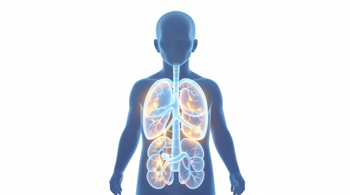
Internal inflammation may also extend to the linings of the heart or lungs, resulting in pleuritic chest pain that intensifies during deep breathing 1, 7. Neurological manifestations, though less common, are significant warning signs and may include persistent headaches, dizziness, confusion, or even memory loss 1, 7. These multisystemic risks underscore the necessity for patients to report any new or unusual symptoms to a healthcare provider promptly to prevent long-term organ damage 5, 7.
The Cycle of Flares and Remission
A primary characteristic of lupus is its episodic pattern, which consists of flares and periods of relative remission 2, 6. During a flare, symptoms intensify, potentially involving multiple organs simultaneously, while periods of remission are characterized by a stabilization or disappearance of symptoms 1, 6. These fluctuations make the disease inherently difficult to monitor, as patients may experience long windows of time where they feel relatively healthy, followed by sudden, active systemic inflammation 7.
Triggers for these flares can vary widely between individuals and may include environmental factors such as intense sunlight, extreme stress, severe viral infections, or even changes in medication management 2, 7. Understanding one's specific triggers is a fundamental aspect of managing the disease. Consistent monitoring and regular follow-up with a rheumatologist are vital for tracking the disease activity and ensuring that treatment plans are adjusted to maintain organ health during more active phases 2, 6.
Epidemiological Factors and Risk Profiles
Lupus disproportionately impacts specific demographic groups, with approximately 90% of those living with the disease being women 2. Age also plays a role, as the condition is most commonly diagnosed in individuals between the ages of 15 and 45 8, 9. Furthermore, research indicates that the disease is more prevalent and often presents with greater severity in Black, Hispanic, Native American, Asian, and Alaska Native populations compared to white cohorts 2.
These differences are believed to arise from a combination of complex genetic susceptibility and diverse health determinants 8. While these demographic patterns are useful for clinical context, healthcare providers emphasize that diagnosis must remain focused on individual clinical features rather than solely relying on demographic factors 8. Because the condition can affect men and individuals of all backgrounds, maintaining a high index of clinical suspicion for unexplained systemic symptoms remains the standard approach for early identification 8.
Sources
- Mayo Clinic: Lupus Symptoms and Causes
- American Medical Association: What Doctors Want Patients to Know About Lupus
- Prevention: Doctors Share the Lupus Symptoms You Shouldn't Ignore
- NewYork-Presbyterian: What is Lupus? Understanding the Symptoms and Treatment
- Cedars-Sinai: How to Find Out If You Have Lupus
- Acibadem Hospitals Group: Lupus Early Symptoms, Flares, and Diagnosis
- Acibadem Hospitals Group: Lupus Symptoms Explained, Common Triggers and Red Flags
- Dr. Animesh Singh: Could It Be Lupus? When to Seek Specialist Advice
- Island Rheumatology: Is It Lupus? Early Warning Signs You Shouldn't Overlook
- Acibadem Hospitals Group: Lupus Flares, Triggers, Warning Signs, and Self-Care
Authored by MistyMountainView team