Best biofeedback therapy for tension headaches: A clinical analysis of therapeutic efficacy and methodology
Biofeedback therapy serves as an evidence-based, non-pharmacological approach for individuals navigating the complexities of chronic tension-type headaches 1. By utilizing specialized sensors to translate involuntary physiological responses into real-time visual or auditory feedback, this methodology empowers patients to develop conscious control over bodily functions such as muscle tension and stress responses 4. As a supplemental intervention typically integrated alongside behavioral therapy or physical rehabilitation, biofeedback is increasingly recognized for its role in long-term symptom management rather than acute pain relief 1, 3.
Physiological Mechanisms and Clinical Modalities
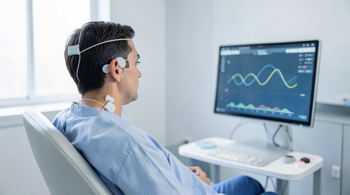
The efficacy of biofeedback in treating tension headaches is rooted in its ability to address central sensitization, where the brain potentially amplifies normal sensory input into perceived pain 5. Electromyography (EMG) biofeedback is widely considered a primary modality for this condition, as it specifically monitors and teaches the relaxation of excessive muscle activation in the forehead, jaw, neck, and shoulder regions 8, 9. By making these subtle muscular contractions visible, patients can learn to identify and reduce tension before it manifests as a headache 6, 7.
Beyond EMG, practitioners may employ other specialized modalities to address the systemic nature of chronic pain. Thermal biofeedback, which measures peripheral skin temperature as a proxy for blood flow and sympathetic nervous system activation, is frequently utilized to help patients modulate stress-induced physiological shifts 8, 9. Additionally, Heart Rate Variability (HRV) training is often integrated to balance autonomic nervous system activity, helping patients shift from a sympathetic state of high stress to a parasympathetic state of recovery 8. These tools collectively provide a comprehensive framework for self-regulation 4.
Evidence Base and Treatment Efficacy
Clinical data supports the utility of biofeedback as a robust behavioral intervention. A 2025 systematic review of 50 behavioral headache trials confirmed that interventions, including biofeedback and cognitive-behavioral relaxation techniques, effectively reduce the frequency and severity of migraine and tension-type headaches 7. Neuroplastic pain research further underscores this, with studies involving 53 trials showing significant headache reduction, with therapeutic effects remaining stable at 15 months post-intervention 5.
It is important to maintain realistic expectations regarding the treatment trajectory. Biofeedback is not typically a stand-alone cure, but rather a structured training process that requires consistency 1, 6. Most clinical protocols involve 8 to 20 sessions to ensure the development of reliable, long-term self-regulation skills 7, 9. Patients often see progress after three to four initial sessions, but sustained results necessitate dedicated home practice of the relaxation techniques learned during clinical appointments 9.
Professional Evaluation and Safety Considerations
Prior to beginning any biofeedback program, a comprehensive medical evaluation by a qualified clinician is essential to rule out secondary causes of headache pain 1, 6. Conditions such as medication-overuse headaches, sinus disease, or neurological disorders may mimic tension-type headaches and require distinct medical management 6, 9. Professional oversight ensures that the biofeedback intervention is tailored to the specific physiological markers relevant to the individual patient, such as posture correction or specific muscle bracing patterns 1, 6.
Urgent medical attention should be prioritized if an individual experiences a sudden, severe headache, neurological deficits, confusion, fever accompanied by neck stiffness, or a significant change in the pattern of their existing headaches 6. Biofeedback is a non-invasive, drug-free therapy, but its safety and efficacy are predicated on accurate diagnosis and appropriate clinical guidance, rather than self-directed attempts to treat undiagnosed symptoms 6, 7.
Integrated Care Models
The most successful outcomes in biofeedback therapy often result from integrated care models. Because chronic headaches are frequently multifactorial, practitioners often combine biofeedback with cognitive-behavioral therapy (CBT), progressive muscle relaxation, and physical therapy focused on postural habits 1, 7. Research indicates that coach-led programs, which combine multiple behavioral modalities, generally outperform self-directed, app-only approaches in terms of sustained headache reduction 7.
| Modality | Primary Target | Clinical Application |
|---|---|---|
| EMG Biofeedback | Muscle Tension | Forehead, jaw, and neck tension |
| Thermal Biofeedback | Peripheral Blood Flow | Stress-induced autonomic regulation |
| HRV Biofeedback | Heart Rate Variability | Nervous system balance |
Home Practice and Financial Accessibility
While clinical biofeedback sessions provide the foundation for learning, home practice is crucial for reinforcing new neural pathways and physiological habits 4, 9. The current market offers various home biofeedback devices, ranging in price from $100 to $400, which allow individuals to practice breathing or muscle relaxation at home using visual cues 7, 9. While these tools can support daily maintenance, they are generally considered supplementary to, rather than replacements for, professional clinical instruction 7.
Regarding the financial aspects, session costs typically range from $100 to $250 per visit 7. Insurance coverage has become more common, particularly when the therapy is provided by a licensed psychologist, physical therapist, or physician for a recognized medical diagnosis 7, 9. Patients are encouraged to consult with their healthcare providers regarding the availability of integrated pain management programs within their local healthcare networks 3.
Sources
- Acibadem Hospitals Group: Biofeedback Therapy Uses, Benefits, and Treatment
- Journal of Physical Therapy Science: Effects of Stabilization Exercise Program
- U.S. Department of Veterans Affairs: Whole Health Biofeedback
- GoodTherapy: Biofeedback Evidence-Based Mind-Body Therapy
- Neuroplastic Pain Guide: Tension Headaches and Central Sensitization
- Acibadem Hospitals Group: Biofeedback Explained by Medical Evidence
- Lin Health: Best Mind-Body Treatments for Chronic Headaches 2026
- Simply Psychology: Biofeedback Therapy for Mental Health
- Regenerated.com: Biofeedback for Chronic Pain Clinical Overview
Authored by MistyMountainView team